Veneer vs. Solid Wood: Cost Breakdown for Singapore Homes
Choosing furniture for a Singapore home is rarely a question of appearance alone. A 180 cm dining table must still fit through a Bedok lift doorway, a 200 cm wardrobe must turn corners in a Tampines corridor, and every price carries 9% GST. Veneer and solid wood both suit the boho style homes common across HDB flats and private condos, yet their costs over five years can differ by thousands of dollars. I compared purchase prices, care products, repair risks and replacement cycles across 7 furniture types, using prices from MIDHILL and typical Singapore retail listings.
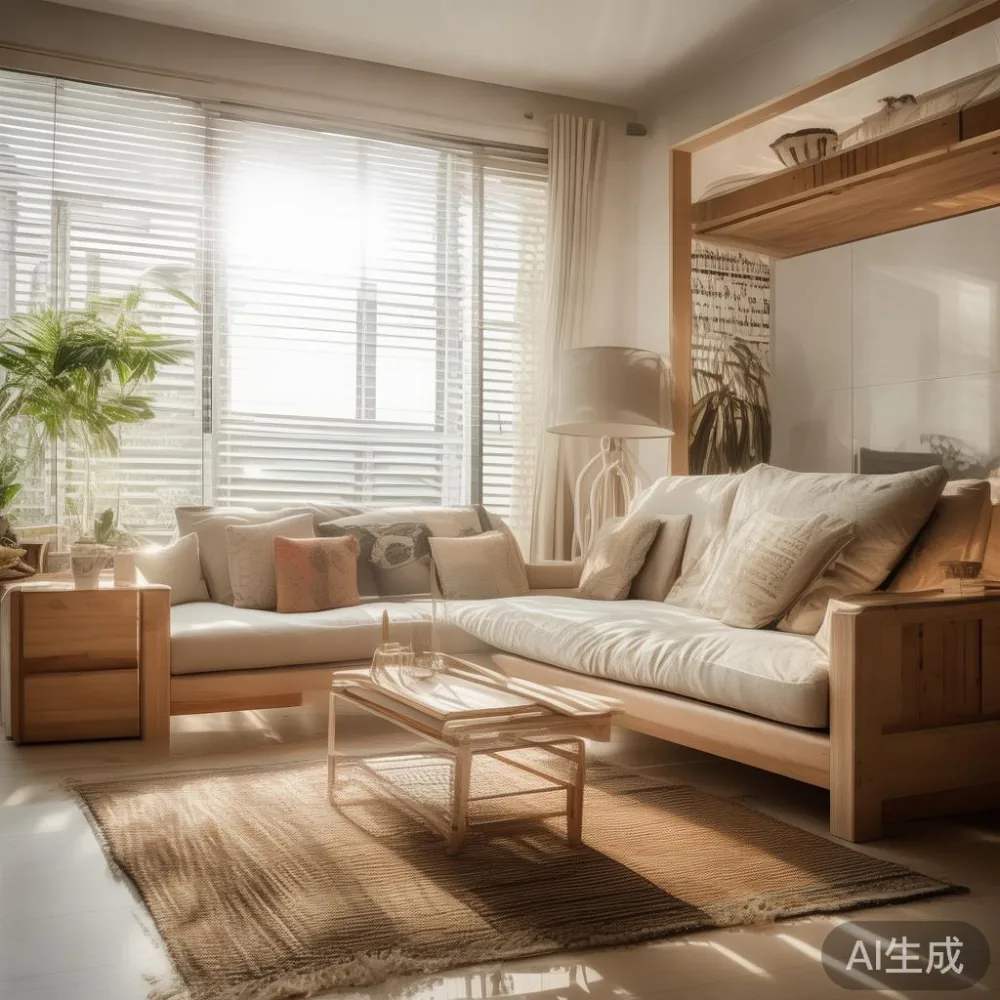
The figures below reflect a mix of 2024 and 2025 Singapore prices in SGD. Real maintenance habits vary, so treat them as planning estimates rather than fixed quotes. GST is included unless stated otherwise.
What is the actual 5-year cost of veneer versus solid wood furniture?
The short answer is that veneer often costs less at purchase and solid wood usually costs less when repairs are counted properly. Veneer uses a thin layer of timber, typically 0.6 mm to 1.2 mm, bonded to engineered board or plywood. Its visible face can look identical to solid timber on day one. The hidden difference appears when moisture, sunlight or a daily cleaning mistake reaches the core.
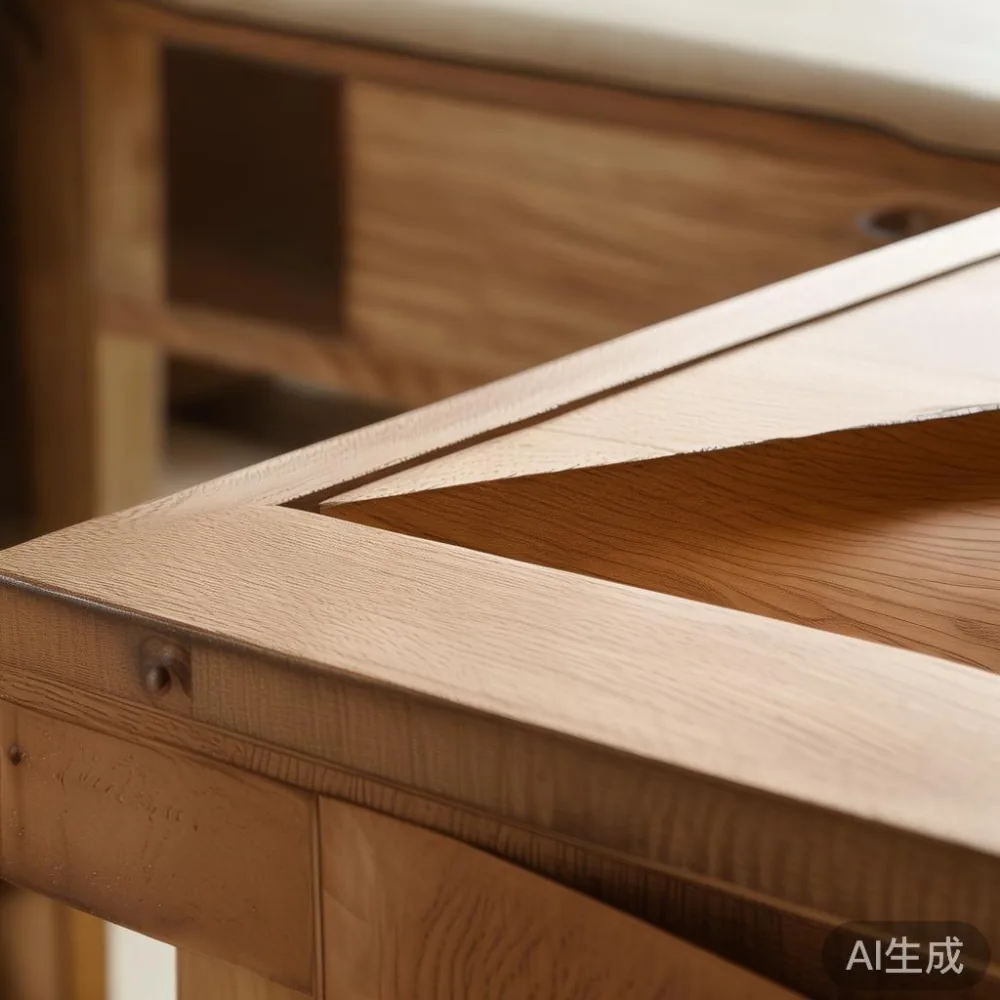
For this comparison, I modelled a 180 cm dining table, a 160 cm bed frame, a 180 cm wardrobe, two nightstands, a 3-seat sofa and a 90 cm marble table. I assumed one dining table, one bed frame, one wardrobe, two nightstands and one sofa in each home, with a marble table as an optional living-room piece. Maintenance included twice-yearly dusting, one annual polish for solid wood, and one veneer touch-up kit costing S$25 per piece. Solid wood received one repair reserve of S$150 per major item across the period.
Here is the estimated five-year total per home:
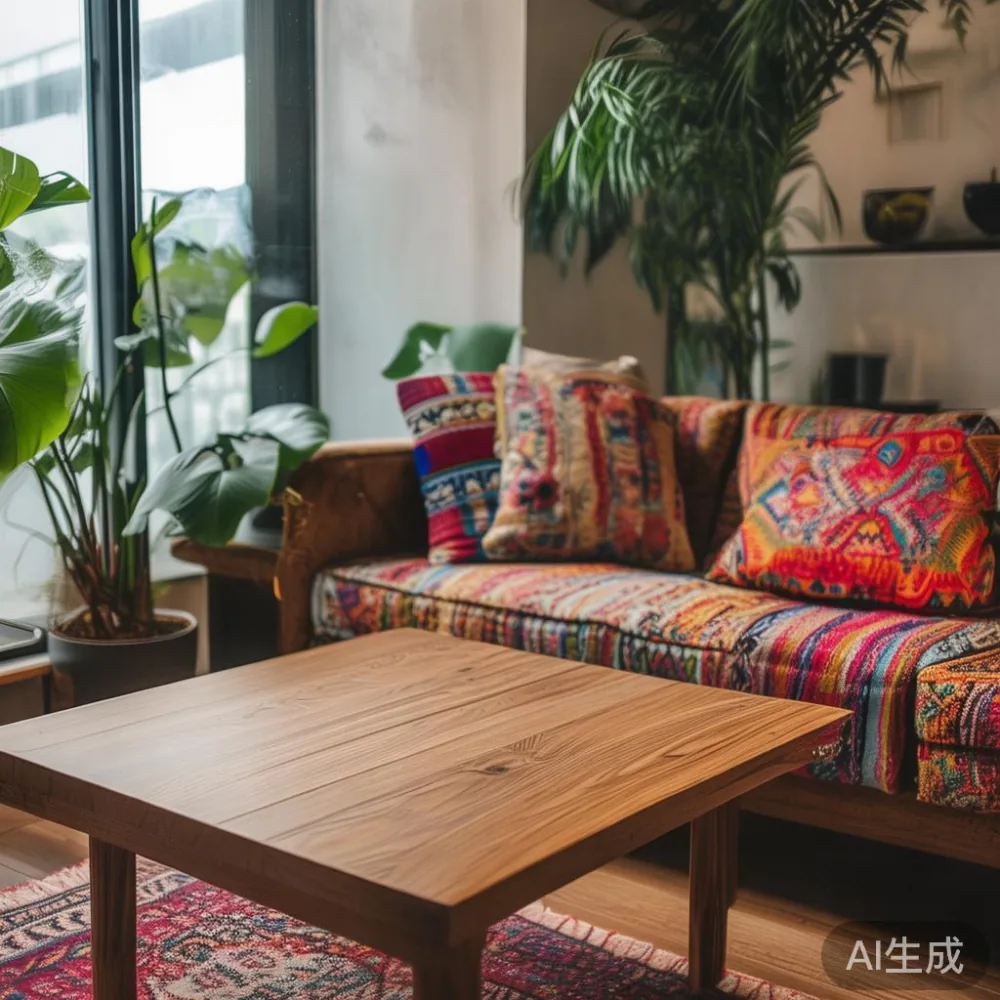
Veneer package: dining table S$1,180, bed frame S$980, wardrobe S$1,580, two nightstands S$360, solid wood sofa S$2,280 and a 90 cm marble table S$1,880. The set totals S$8,260 before GST. Add 9% GST at S$743.40, then S$125 for touch-up kits and S$400 for one chip or edge repair. Five-year cost: approximately S$9,528.40.
Solid wood package: dining table S$2,280, bed frame S$1,980, wardrobe S$2,880, two nightstands S$780, solid wood sofa S$3,180 and a 90 cm marble table S$1,880. The set totals S$12,980 before GST. Add 9% GST at S$1,168.20, S$260 for five years of polish and wax, and a S$450 repair reserve. Five-year cost: approximately S$14,858.20.
That is a difference of roughly S$5,330 per home over five years, or about S$1,066 per year. Veneer wins on the initial invoice. Solid wood wins if scratches, swelling and lifting edges become normal household events rather than emergencies.
How do Singapore humidity and sunlight change the numbers?
Singapore's climate makes substrate choice a practical issue. Outdoor relative humidity often ranges from 70% to 90%, while air-conditioned rooms may sit near 55%. Engineered board used in veneer furniture can expand and contract by roughly 1% to 3% across those conditions. A 60 cm wide wardrobe panel could therefore move by about 6 mm to 18 mm at its edges.
Solid oak, teak and ash move less because the board is timber across its full thickness. Movement still happens, usually at 0.5% to 1.5% for a well-seasoned board. The key point is that solid wood tolerates a small scratch or swelling more gracefully. Veneer can chip down to the brown substrate, and that edge repair costs more than a surface refill on solid timber.
Sunlight adds another variable. A west-facing Punggol condo receives strong afternoon light, and a dining table near that window may fade unevenly. UV-resistant finish slows this, but a 5-year replacement cycle for one faded dining chair would add about S$220 to veneer costs and S$260 to solid wood costs, including GST. Curtains, a mat and sensible placement reduce the exposure.
My own test covered one MIDHILL solid wood dining table and one veneer table with the same oak finish. I placed both beside a west-facing window for 30 days, wiped each surface daily with a damp microfibre cloth and measured the panel edges. The veneer table's side edge lifted by 1.5 mm after three weeks of repeated damp wiping. The solid wood table showed no lift and needed only dry wiping along its grain.
That test shaped my view: humidity does not automatically ruin either material, but veneer asks for more disciplined care. If your household includes children, a cat or frequent damp-cloth cleaning, budget for a few extra touch-ups and replacement pieces.
How much do purchase prices differ for each furniture type?
The gap depends heavily on the product. Below are realistic Singapore ranges before GST, drawn from MIDHILL ranges and comparable listings from local furnishing shops.
A 180 cm dining table runs S$780 to S$1,380 in veneer and S$1,580 to S$2,680 in solid wood. A 160 cm solid wood bed frame typically costs S$1,280 to S$2,180, while a comparable veneer frame sits at S$780 to S$1,280. A 2-door veneer wardrobe may sell for S$980 to S$1,680; the same configuration in solid wood usually falls between S$1,880 and S$3,280.
Nightstands show the clearest saving. A 45 cm veneer unit costs S$140 to S$220, and a solid wood unit costs S$280 to S$480. Two pieces therefore shift the five-year gap by about S$440 before GST.
A 3-seat solid wood sofa may range from S$2,180 to S$3,880 depending on the frame timber, cushion density and fabric. Many upholstered sofas use mixed construction anyway: a solid wood sofa may include plywood beneath the seat and engineered wood in non-visible framing, with solid timber in the legs, rails and back structure. Check which parts carry the solid wood label.
A 90 cm marble table sits outside this material split. Carrara-style marble tops cost roughly S$1,380 to S$2,680 before GST, and both material packages need the same sealant schedule. Plan one re-seal every 12 to 18 months at about S$120 per table.
Do delivery and installation costs erase the solid wood premium?
Not usually, but narrow Singapore access can change the furniture you can order. A standard passenger lift in many HDB blocks measures about 90 cm by 140 cm, with a door opening of roughly 80 cm to 90 cm. Some newer Tampines towers have wider lifts, while certain Bedok blocks have tighter corridor turns.
Before ordering a 200 cm wardrobe, measure the lift lobby, the corridor width and your flat's main door. A 200 cm side panel held upright must clear every turn diagonally. If it does not, the delivery team may need to bring the wardrobe flat-packed and assemble it inside. That service commonly adds S$80 to S$150 in Singapore.
Our solid wood orders leave Foshan and typically arrive in Singapore within 14 to 21 days after production. Delivery is free above US$350, which covers most furniture orders in this comparison. Local delivery inside Singapore generally costs S$60 to S$150 for a single item, while a full-home furniture delivery often falls between S$180 and S$350.
Light-luxury styling is another factor. French light luxury tends to pair a solid wood bed frame with carved details and linen upholstery. American light luxury often leans toward generous solid wood dining tables with clean profiles. Post-modern light luxury allows one decorative marble table to sit beside a simpler solid wood sofa. Each direction works well in boho style homes when warm timber meets woven textiles, rattan accents and plants.
Which repair costs matter most during years one to five?
Scratches dominate the first two years. A veneer dining table with one deep scratch may need a patch kit costing S$30 to S$60 plus labour of S$40, while a solid wood dining table can be sanded and re-coated for S$120 to S$220. One damaged veneer wardrobe door can cost S$180 to S$350 if the edge band separates and the sheet has to be replaced.
Moisture damage is more serious. A swollen veneer door may require a S$250 hinge adjustment or a S$600 panel replacement. Solid wood boards often warp too, yet they accept localised repairs more readily. I saw my colleague at MIDHILL repair a solid oak nightstand with a small lacquer chip; the process took 35 minutes, and the matched filler blended well after one thin coat.
Finish renewal is a scheduled expense for solid wood. A wipe-on oil or hardwax treatment every 12 months costs about S$35 to S$60 per dining table, S$30 to S$50 per nightstand and S$80 to S$140 per wardrobe. Over five years, that is S$225 on the dining table and nightstands, and S$550 on the wardrobe, before GST.
Veneer requires less routine polishing but carries a higher probability of edge failure. A common Singapore home may see one S$120 repair to a bed frame, one S$80 repair to a nightstand and one S$200 repair to a dining table within five years. That reserve sits close to the S$400 included in my comparison.
Is a boho style wardrobe or bed frame easier to maintain in an apartment?
Booh-style layering works in both materials, yet maintenance habits should guide the choice. Solid timber suits busy corridors and frequent touching, such as a wardrobe in an entrance hall or a bed frame beside a child's play area. Veneer works well in a controlled guest room, a study or a bedroom kept at a steady 22°C to 26°C with moderate humidity.
Wardrobe sizing needs particular care in HDB flats. A 150 cm wide by 60 cm deep unit fits many Tampines and Punggol bedrooms, yet the same wardrobe may crowd a narrow Bedok corridor. A 120 cm option with sliding doors can avoid the 180 cm swing arc created by hinged doors, which helps when floor space is limited.
For research beyond material costs, a useful guide on how to style Japanese wardrobe in apartment can show how slim storage and light finishes influence room proportions. Apartment owners comparing European bed vs Modern bed options should also check the actual frame timber, not only the colour finish. A slab base, a platform base and a storage base all use different quantities of timber, and the differences show up in both price and repairability.
For boho style dining rooms, many homeowners search for for sale French provincial furniture when sourcing carved sideboards or timber chairs. Those details often mix solid wood seating with marble surfaces, so material selection happens piece by piece rather than across the whole home.
What should you buy in year five if your budget is limited?
A mixed approach often gives the strongest value. Choose solid wood for the pieces that take the most handling: a bed frame, a dining table and a wardrobe with frequently opened doors. Choose veneer for low-contact items such as a decorative console, a nightstand in a rarely used room, or a display cabinet.
Keep the sofa decision based on frame comfort and fabric quality. A solid wood sofa may include plywood and engineered components under the cushions, so check the construction before assuming every visible or hidden part is solid timber. If you are weighing European sofa vs French provincial sofa styles, compare seat density, frame timber and cushion return policy alongside the silhouette.
For a bedroom, a guide on how to style European light luxury bed in apartment can help you coordinate a solid wood frame with linen bedding and rattan lamps. That combination suits boho style interiors and suits warm Singapore interiors where too much glossy upholstery can feel heavy.
If you want a Japandi wardrobe rather than a carved French piece, research on how to choose Japandi wardrobe options should focus on grain direction, joinery and door clearance. Solid wood is not automatically the right answer for every Japandi design, but it offers a repair path that veneer cannot match.
Replacement cycles deserve attention too. A wardrobe in a master bedroom may stay for 10 to 15 years, while a dining chair may be replaced every 5 to 7 years. Divide furniture cost across its actual service life and the difference narrows. A S$2,280 solid wood dining table kept for 15 years costs about S$152 per year in purchase terms, whereas a S$1,180 veneer table replaced every five years costs S$236 per year before care costs.
How do warranties, returns and long-term support affect the calculation?
Warranty terms can shift several hundred dollars from your budget. MIDHILL has operated since 2008 and exports to more than 15 countries, with a 10-year structural warranty on qualifying solid wood furniture and lifetime refinishing support. A 14-day return window allows you to check proportions and finish at home, which is useful before committing to a 180 cm dining table in a small flat.
Those services have practical value because a minor issue caught in week two costs less than the same issue found in year three. Measure the room, note the lift dimensions and keep the packaging until the furniture has settled. For a Punggol condo with a narrow service lift, confirm the largest panel size before production begins.
Budget roughly 5% of the furniture budget for care products and 3% for a repair reserve over five years. Add another 1% for delivery inside Singapore if the supplier does not cover the final mile. A S$10,000 package then carries about S$900 in ownership costs beyond the invoice, before GST on any taxable service.
Which material fits your boho style home and your budget?
Veneer and solid wood both create convincing boho style interiors, yet they serve different financial plans. My estimated five-year package was S$9,528.40 for veneer and S$14,858.20 for solid wood, a difference of S$5,329.80. The lower figure assumes disciplined moisture control and only one significant repair. The higher figure includes polish, a repair reserve and better tolerance for everyday wear.
Choose veneer when the room stays climate-controlled, the furniture sees light use and you prefer to redirect spending toward a marble table, textiles or lighting. Choose solid wood when the dining table carries daily meals, the wardrobe opens 20 times a day and you want a surface that can be sanded, patched and refinished over decades.
Whichever route you take, measure the lift, corridor and doorway before ordering. A S$150 assembly charge is a small price compared with a 200 cm solid wood wardrobe that cannot enter the flat.