What to Check Before Buying a Sofa You Cannot Sit On
A display sofa can still be a sensible purchase, but only when its purpose is clear. In a compact HDB flat or condo, it may serve as occasional seating, hold books, divide a living area, or provide a surface for a weekend meal. Photographing a room for social media is another reason. What matters is whether the sofa fits the job without blocking the lift lobby, common corridor, air-conditioning outlet, or daily circulation route.
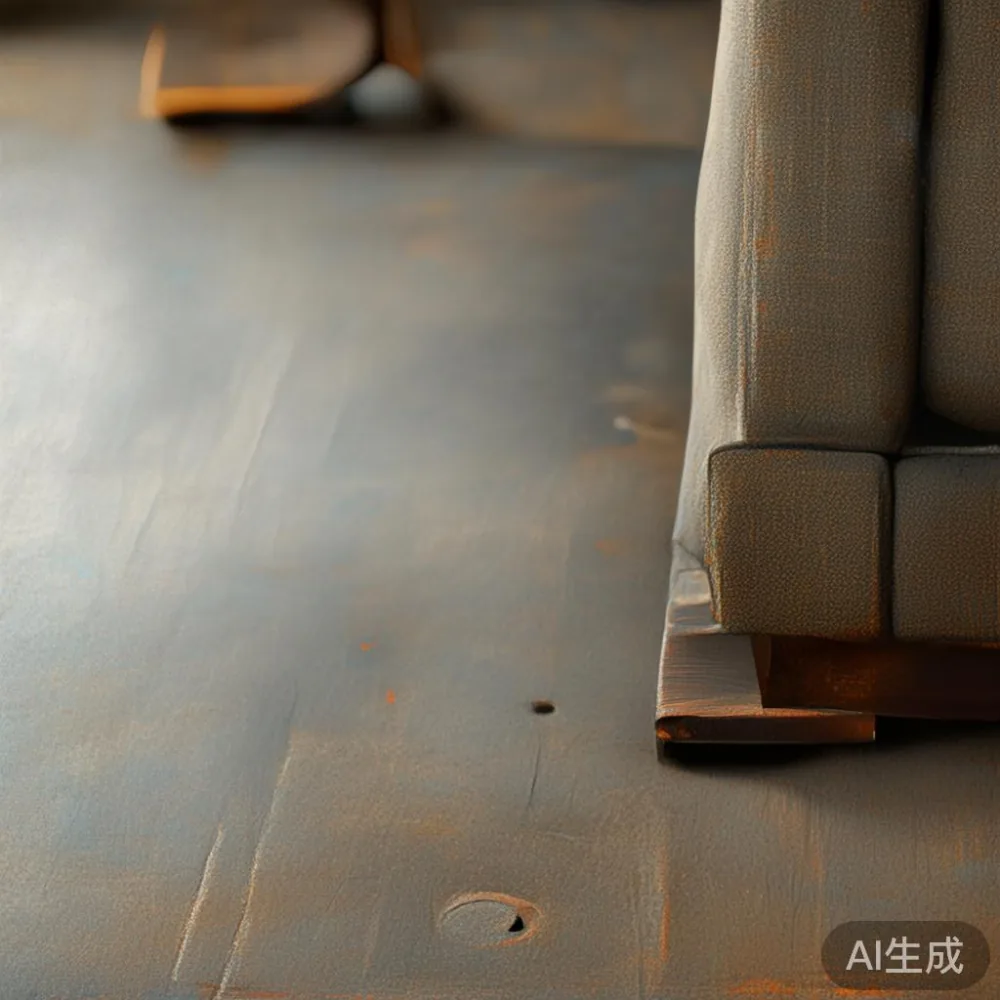
This guide examines the practical decisions involved when buying furniture that will not be sat on. The evaluation covers dimensions, access constraints, material durability, and visual expectations across a range of Singapore homes. It also addresses showroom limitations, delivery planning, and the financial impact of GST.
For wider planning, MIDHILL also makes solid wood furniture such as bed frames, dining tables, wardrobes, and nightstands. The same fit-and-finish checks apply, although room access and seating height become more specific for a non-seating sofa.
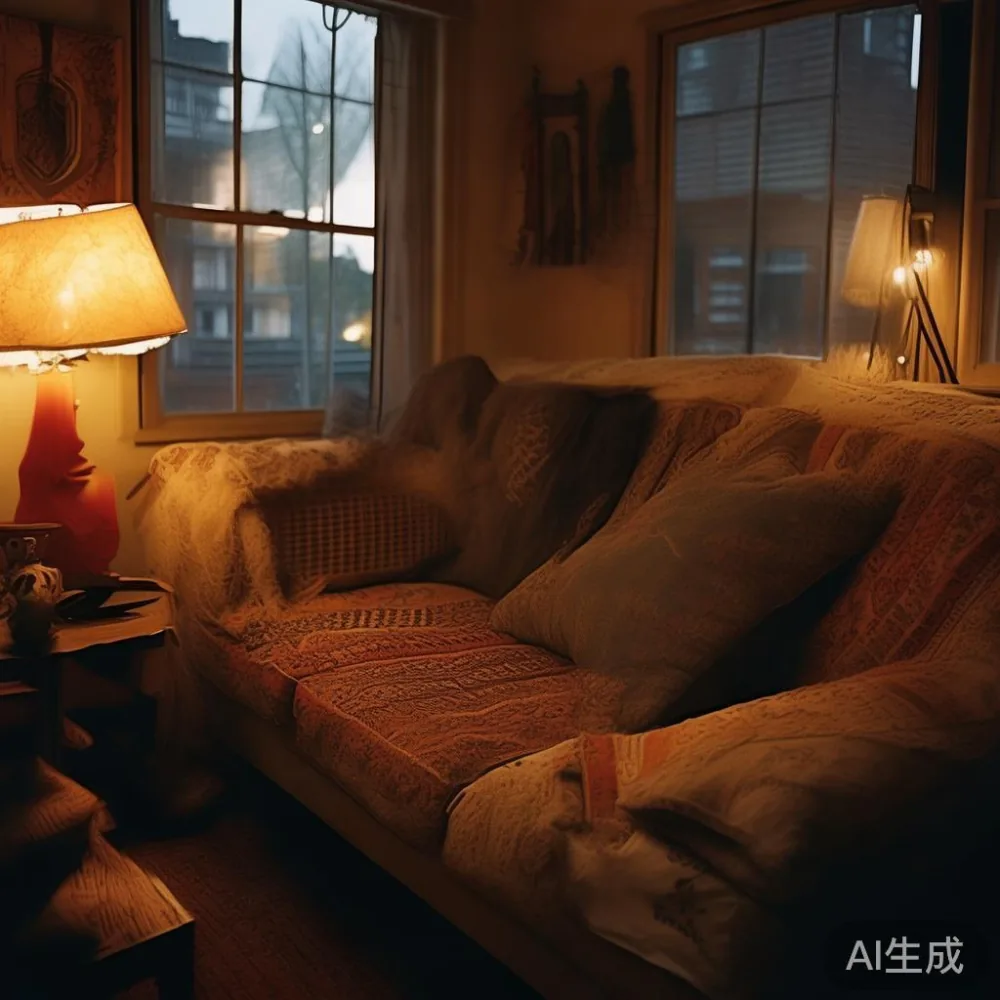
Can a display sofa fit through my HDB or condo access route?
Begin with the narrowest point, not the sofa drawing. For an HDB flat in Tampines, Bedok, or Punggol, measure the lift doorway, lift car, corridor turns, unit entrance, stair landings, and internal doorways. A sofa measuring 180 cm wide may look modest in a showroom yet fail at a 150 cm lift opening or a tight 90-degree corridor turn.
Record the sofa's packed dimensions, including its deepest projection. A useful working allowance is 2 cm per side on a straight approach, but tight corners can require more. Ask for photographs with a tape measure, the packaging carton dimensions, and the weight of each protected component. A typical boxed sofa may weigh 55–90 kg; a solid wood display sofa with fixed storage can exceed 100 kg.

Do not assume the building's largest service lift is available on moving day. Some Singapore buildings require booking a service lift, protecting floors with cardboard, or using the loading bay at a fixed time. Common service lift internal dimensions might be 210 cm deep by 140 cm wide, with a door around 110 cm wide. These figures vary, so the property manager's written confirmation matters more than a generic estimate.
At the unit entrance, remove shoes, planters, and loose mats where permitted. Protect the door frame with rigid cardboard or foam guards, and reserve at least 1.2 m of clear standing space. If the sofa cannot enter as one rigid piece, check whether the back, seat platform, and legs are removable. Legs must be marked and labelled, and spare fasteners should be included rather than improvised at the unit.
For condo deliveries, also inspect parking-garage height limits, loading-bay reservations, and the route from the service entrance. A 28 cm tall carton may clear a 210 cm vehicle but not a low carpark pipe. Give the delivery team the exact obstacle heights and turning points, not only the unit number.
What should a display sofa do in the room?
A sofa that cannot be sat on needs a function you can see. It might display folded throws, conceal storage, act as a console beside a TV, or visually anchor a compact living room. Without that role, buyers sometimes own an attractive object that collects dust and still blocks circulation.
Measure the floor area as well as the sofa. In many Singapore layouts, the space must preserve 80 cm for a normal walking path and about 90 cm where chairs are pulled back. If the display sofa is used as a console, 42–48 cm is generally a more useful depth than a 90–100 cm seating depth. However, deep pieces can provide concealed storage while requiring a larger approach angle.
Sketch the room at 1 cm equals 10 cm scale. Include the TV console, coffee table, dining chairs, air-conditioner, balcony door, and socket positions. A 190 cm display sofa placed in front of a 4 cm air-conditioner may obstruct airflow; a 60 cm console often fits more easily. Keep fabric, rattan, or timber clear of direct sunlight where possible, especially with west-facing windows.
The visual brief should also be honest about family use. A boho style display sofa with woven accents, warm timber, and textured cushions fits relaxed interiors, but pale fibres may show dust quickly in a humid, unfiltered room. If the sofa is mainly decorative, place it where it can be wiped without damaging exposed joints. If children will climb on it, do not call it non-seating and then allow use as a step.
Which materials should I inspect for wear, humidity, and pet claws?
Inspect the surface under showroom lighting and under the brighter light of your own home. Look at colour variation, small dents, loose weave, chipped edges, and uneven gaps. Polyester bouclé can feel soft but snag; linen blends crease; velvet changes direction with pressure; woven rattan can loosen at the frame. Request a physical fabric swatch rather than judging only a screen image.
For a boho style piece, timber details should be examined at joints, not just in broad daylight. Check that rails meet squarely, drawer or shelf fronts sit flush, and screws are recessed rather than visible from the main viewing angle. Solid wood expands and contracts as humidity changes, so a frame should allow controlled movement without loose joints or bowed panels.
Ask whether the piece is upholstered in removable covers. A cover measuring 50 by 70 cm can be useful for spot cleaning, but the supplier should confirm whether home washing is permitted. If not, budget for professional cleaning, commonly around SGD 35–SGD 80 per cushion depending on fabric and pickup logistics.
Pet homes deserve a different test. If a dog or cat may brush against the sofa, tightly woven performance fabric is easier to maintain than loose bouclé. Request abrasion-test data and a cleaning guide, then keep a sample under the same conditions for 24 hours. Rub the material with a slightly damp white cloth and inspect for dye transfer. Test results do not replace care instructions, but they can expose a poor match.
Coordinate material selection with the rest of the room without allowing every item to compete. A solid wood dining table, marble table, bed frame, wardrobe, and nightstand can share a restrained palette while each keeps its own character. For a warmer room, pair honey-toned timber with natural fibres and matte hardware. For a cooler scheme, use pale oak or ash with linen textures and cream walls.
What does “solid wood” mean for a display sofa?
“Solid wood sofa” can describe the visible frame, yet not every wooden component is necessarily solid timber. Look for a drawing or specification identifying the species, structural members, backing panels, and any engineered board used in hidden areas. Ask whether the term applies only to the decorative front frame or to the load-bearing structure as well.
Tap gently at several points while listening for a hollow knock. Inspect screw placement and corner blocks. A non-seating sofa may have a lighter frame than a conventional sofa, but it should not wobble. Place it on a level floor and press lightly at each corner; a few millimetres of movement may indicate uneven feet, while a sharper movement points to loose joints.
Confirm moisture expectations for Singapore conditions, where indoor relative humidity can often sit around 50–75%. Ask the supplier how the piece should acclimatise, how seasonal movement is managed, and what documentation is supplied. A frame with controlled clearances and sound joinery is more meaningful than a vague promise that wood will never move.
Consider the finish. Water-based matte coatings generally require careful handling, while harder finishes may tolerate more frequent contact. Regardless of type, keep standing water away from the surface. Use a coaster on a marble table or a protective pad if the sofa includes a narrow top. Never drag the piece by its upholstery or decorative rail.
Warranty terms deserve a careful reading. A 10-year structural warranty can be valuable, but check whether the sofa is covered under the same terms as a bed frame or dining table. Confirm what counts as structural damage, how claims are assessed, and whether the purchaser must provide dated photographs. Lifetime refinishing is another separate promise; ask whether it applies to colour changes, repairs, or simply the original finish.
How much space should remain around the display sofa?
Leave enough space to clean it, move chairs, and reach nearby windows. A display sofa placed directly against a wall may be acceptable if it is not blocking a socket, but a gap of 5–10 cm can make dusting easier. In a narrow HDB living room, that small gap must be balanced against the need to preserve a practical circulation path.
Check the sofa from seated eye level elsewhere in the room. The visual mass of a low, wide design can make the room feel fuller than a narrow console. Conversely, a tall display back can conceal a window or create imbalance with a wall-mounted television. Take photographs from the doorway and from the opposite corner before approving the final position.
Storage is another consideration. If the piece is meant to hold throws or board games, measure the internal clear width and depth. A nominal 150 cm cabinet may offer only 132 cm inside. Check shelf loading, finger clearance, and whether the doors can open fully without hitting a wall. For a display role, a stable surface around 40–45 cm high can be useful, but the height should suit the intended items.
If the sofa acts as a room divider, assess sightlines. A 95 cm high piece can preserve open space above it, while a 105 cm back offers more storage but may interrupt airflow. In an open-plan unit, position it away from the air-conditioner's direct discharge and do not block balcony access.
What should I confirm before paying for a display sofa?
Ask for the final product drawing, packed dimensions, material specification, care instructions, delivery timeline, and return conditions. The drawing should show the exact fabric colour, timber tone, metal finish, leg height, and any removable sections. Screen images can shift between warm cream and cool grey, so compare physical swatches in daylight.
Confirm the total price in SGD and whether GST is included. Singapore GST is currently 9%, so a quoted SGD 2,420 before GST becomes approximately SGD 2,637.80 after GST. For a piece near SGD 2,600 before GST, verify the invoice treatment rather than assuming that an online displayed total uses the same format.
Delivery timing should include production, stock, dispatch, and the final carrier appointment. A sofa shown in a showroom may take 3–5 days if in stock, or 4–8 weeks if made to order. For custom upholstery, give yourself a wider buffer for material delays. Confirm whether the stated number of delivery days starts after payment, after production, or when the item leaves the warehouse.
Check the return window and restocking arrangement. A 14-day return policy is useful, but unopened custom pieces, assembled furniture, or special-order fabrics may have different conditions. Find out who pays return delivery, how the item must be protected, and whether the original packaging is required. Keep the carton until the sofa has been inspected, because damage discovered after assembly can be difficult to document.
What if the showroom sofa feels comfortable to sit on anyway?
Sit once, briefly, to assess comfort and proportion. Do not use the result as the only buying reason, but notice whether the seat edge presses your thighs, whether the back supports your shoulders, and whether the arm height interferes with reaching a table. A showroom test can reveal that the piece is more functional than expected, which is good news if your plan is occasional guest seating.
Also test the height and softness of loose cushions. If several guests will use the sofa only 2–4 times a year, make the cushions easy to remove. If the sofa will never be sat on, say that clearly during the purchase conversation. The supplier can then help verify load limits, surface protection, and whether the design has been approved for standing or leaning.
Ask for written information about load concentration. Avoid standing on the back, arms, or storage lid. A typical decorative lid may be rated for 15–25 kg when evenly distributed, but this is not permission for a person to step on it. If children or adults may climb, choose a piece designed for that use or add a visual boundary such as a console behind it.
For an adjacent guest room, an Industrial for guest room arrangement can use a stronger, easy-clean material while keeping the display sofa in the living area. For bedroom planning, European light luxury nightstand and European light luxury bed vs French provincial bed are useful comparisons, but they serve different storage and visual needs. A wardrobe should also be checked against door swing and corridor access before the room is signed off.
How do I keep a display sofa useful after delivery?
Inspect the sofa before the delivery team leaves. Check corners, seams, legs, packaging, and floor protection. Photograph each face and any existing marks. Assemble only after confirming that all parts are present and no fastener has been left inside the frame. If a part is damaged, record it on the delivery note and contact the supplier before covering the defect.
Vacuum with a brush attachment weekly and clean spills promptly according to the care guide. Keep pets away from woven edges during feeding times. Rotate cushions or throws monthly so the display remains balanced, and avoid stacking heavy objects near the back rail. If the piece includes storage, use the lowest shelf for heavier items and keep doors clear of the ventilation path.
Check the effect of sunlight through a west-facing window. A west window may receive direct light for several hours in the afternoon. Curtains or a UV-filtering film can reduce fading without making the room feel closed. Move decorative objects seasonally if their finish changes under heat or moisture.
For design continuity, a boho style living room can combine woven texture, warm timber, and curved silhouettes without crowding a compact Singapore flat. If you are researching how to style American sofa in apartment layouts, compare the sofa's footprint with a low-profile console, slim side table, and rounded lighting. A solid wood dining table nearby should still allow 90 cm of chair clearance where possible.
What should I ask about style before ordering?
Ask whether the sofa's shape and materials fit the intended style or simply suit the showroom. A boho style display sofa often uses rattan-like inserts, relaxed upholstery, earthy colours, and gently curved lines. Post-modern light luxury may pair a restrained silhouette with one expressive material or colour. American light luxury generally favours generous proportions and readable upholstery, while French light luxury tends to rely on softer detailing and a more composed finish.
Those terms are not formal performance standards. Request close photographs of the underside, joins, and rear finish. If the sofa is designed mainly as a display piece, the back should still look intentional from a doorway. Check that the decorative treatment is not limited to the front panel.
Make a final room test with measurements in hand. Compare the sofa against the lift route, window access, socket positions, and cleaning path. Decide whether you need storage, a surface, or occasional seating, and choose the simplest design that meets that need. A display sofa can be a deliberate part of a home, provided its dimensions, care demands, and price remain justified after delivery.