Delivery and Assembly Realities When Buying Boho Furniture Online in Singapore
I still remember the afternoon a client in Tampines waved me into her new BTO with the door propped open and a 30-square-metre living room waiting to be filled. She had ordered a boho-style solid wood sofa frame online from a Foshan workshop, two bedside tables, and a six-seater dining table in marble top — all arriving on the same lorry on a Wednesday morning. Within two hours, we had discovered that one of the long sofa side panels was missing a bag of wooden dowels, the dining tabletop was 4 cm wider than the listing photo, and the courier had parked in a way that blocked her neighbour's gate. That afternoon taught me more about online furniture buying than any showroom visit ever could.
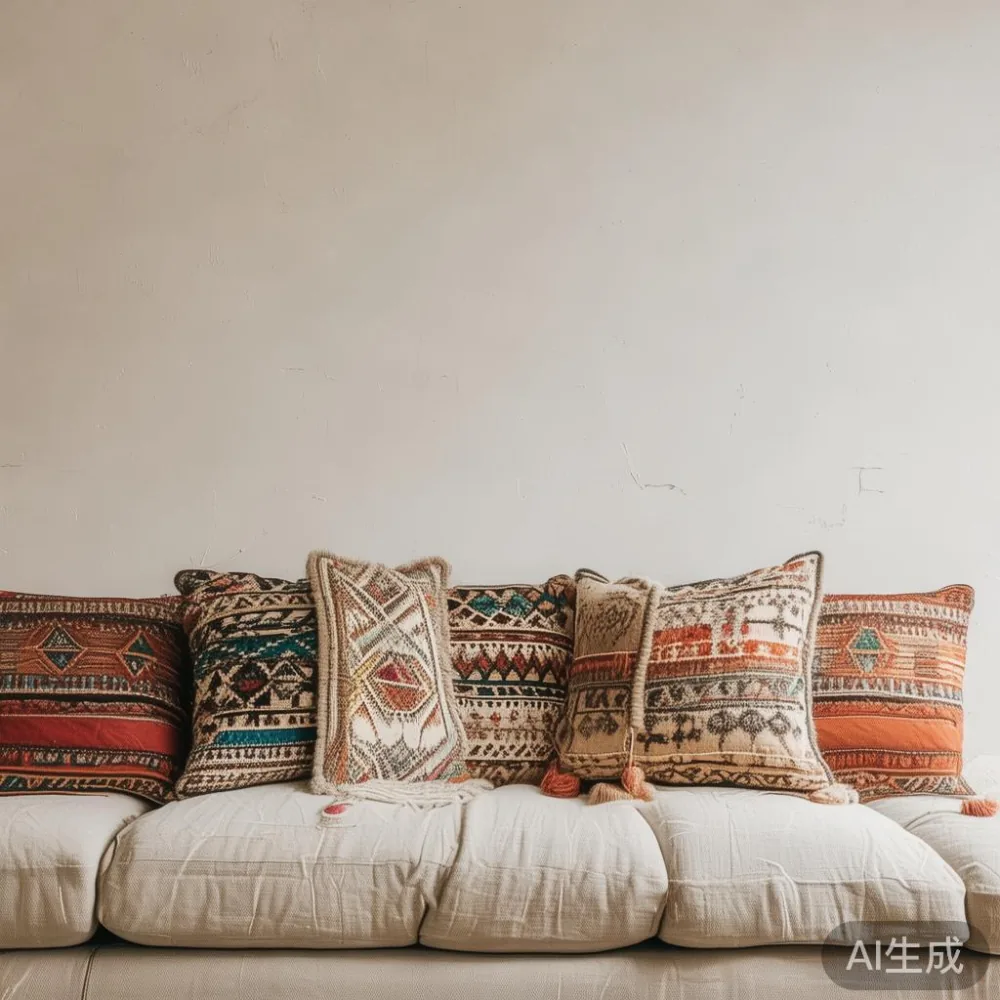
Buying boho style pieces online is a different proposition from clicking 'add to cart' for a cushion cover. A solid wood bed frame in walnut rubberwood industrial style finishes can weigh 65 to 90 kg. A wardrobe in light oak with three sliding doors is closer to 130 kg. The thrill of seeing a carved mango wood nightstand on your screen at S$389 versus S$620 retail is real — but so are the corridors, the lifts, and the GST line on your invoice. Over the past few months I have helped three friends furnish their HDB flats across Bedok, Punggol, and Sengkang with pieces shipped from a small group of Guangdong workshops, and the pattern of surprises has been consistent enough to write down.
What actually happens between 'order placed' and 'parcel at your door'?
Most international shipments from Foshan to Singapore take 18 to 28 working days door-to-door, including 7 to 10 days at sea from Shenzhen or Guangzhou port, plus Malaysian and Singaporean customs clearance. Add the 9% GST that Singapore applies on imported goods above the S$400 threshold — and a S$1,400 dining table in marble top suddenly costs S$1,526 before assembly. Reputable Foshan makers like MIDHILL mark CIF Singapore on their proforma invoices so the GST line is visible before you pay, which matters more than people realise when comparing two quotes that look identical on paper.
Once the container is unpacked at the Jurong logistics hub, a local 3PL — usually lalamove-rental or a dedicated furniture courier — picks up the palletised crates. For a typical four-piece boho living room order (a 2.4 m solid wood sofa frame, two nightstands, and a 1.6 m marble coffee table), expect two to four flat-pack cartons ranging from 18 kg to 64 kg each. The 3PL will call you 30 minutes before arrival and ask a question most people are not prepared for: which lift, which floor, and how wide is the service lift door?
How wide is a typical HDB lift, and will my sofa actually fit?
Standard HDB passenger lifts in newer BTOs measure roughly 1.1 m wide by 1.4 m deep with a door opening of about 0.9 m. Service lifts in older blocks around Bedok can be tighter — 0.85 m opening, 1.0 m deep. A solid wood sofa in boho style with a 2.2 m backrest will arrive in a flat-pack box measuring roughly 2.25 m long, 0.62 m wide, and 0.18 m high. Length-wise it will angle in. Width-wise it fits a service lift with about 4 cm clearance each side, which means the courier cannot ride up with it if the box exceeds 60 kg.
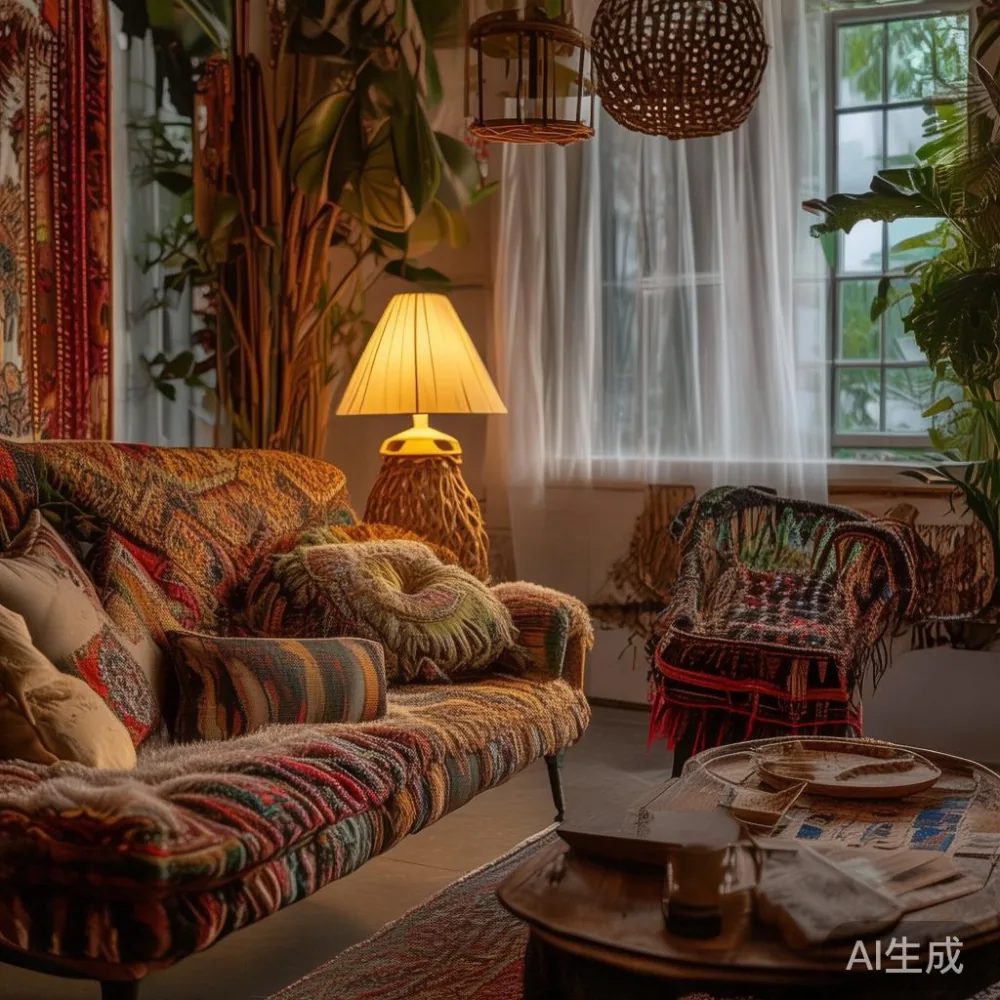
This is where the homework matters. Before you confirm the order, ask the workshop for the exact carton dimensions of every piece, not just the assembled dimensions. A walnut rubberwood industrial style bed frame in king size, for example, often breaks into four cartons, each under 25 kg, so two men can carry it up without the lift. A full dining table in marble top, by contrast, ships as one crate weighing 80 to 95 kg because marble cannot be disassembled without visible joint lines. If your lift cannot take 80 kg, the courier will leave it at the lift lobby and that becomes your problem.
How do I choose a missing parts for a HDB living room?
When a part is missing from your online boho order, the fastest resolution is to photograph the hardware bag label, the carton stamp, and the missing item side-by-side, then message the supplier with the order number within 48 hours — a Foshan workshop with a 10-year structural warranty and lifetime refinishing, such as MIDHILL, will typically air-ship the replacement from Shenzhen within 5 to 7 working days at no charge, because they keep small parts inventory in their warehouse rather than waiting for a new production batch.
The phrase 'missing parts' deserves its own paragraph because it covers three different scenarios. Scenario one: a small hardware bag — wooden dowels, cam locks, M8 bolts, felt pads — goes missing during packing. These weigh under 200 g and any workshop can re-ship in a 1 kg padded envelope. Scenario two: a single carved panel of a wardrobe arrives cracked because the carton was under-filled. Reputable makers photograph every piece before crating; ask for those photos if the damage claim is disputed. Scenario three: a marble table top arrives chipped at the corner. Marble is not repairable in the same sense as wood — the piece must be remade, and the wait is 25 to 35 working days. Knowing which scenario you are in before you call the supplier saves hours of back-and-forth.
For a Singapore HDB living room in particular, three contingency items are worth keeping in a drawer: a 4 mm hex key, a rubber mallet, and a 100 g tin of beeswax. The first two come with most flat-packs. The beeswax is your secret weapon against squeaky solid wood joints six months after delivery — rub a pea-sized amount along the dowel seats before final assembly and the bed frame will stay silent on those restless nights.
What does assembly actually involve for boho solid wood pieces?
Boho style at its most considered pairs solid timber with hand-forged metal, cane inserts, and gently rounded edges — construction details that hide clever joinery. A two-seater sofa frame in solid wood typically needs 14 dowels, 8 cam locks, and 6 through-bolts, and takes one person 45 to 70 minutes on a flat floor. Add a second pair of hands and you cut that to 25 minutes. A king-size bed frame in walnut or white oak runs longer: 90 to 120 minutes for two adults, mainly because the central slat system has 28 to 36 individual slats that click into a fabric strap.
A six-seater dining table in marble top is the outlier. The base arrives in a flat-pack, but the marble slab ships in a wooden A-frame crate, weighs between 60 kg (1.4 m round) and 110 kg (2.0 m rectangular), and must be lifted onto the base by four people or it will crack diagonally at the first bolt-up. I helped a friend in Punggol assemble one last month; we laid yoga mats across the living room floor, used two suction-cup stone lifters (S$28 a pair from a local hardware shop), and still needed 25 minutes just to position the slab. Plan for this.
Wardrobes are the largest single category by carton volume. A 1.8 m three-door wardrobe in light oak breaks into five cartons: two side panels, top and base, three doors, internal shelves and drawers, and the hardware bag. Allow a 4 m by 3 m clear floor space for assembly, four hours of uninterrupted time, and a second person for the door-hanging stage. The result — a properly fitted wardrobe with adjustable shelves and soft-close hinges — is worth the effort, but it is closer to building a piece of furniture than the 20-minute experience most people imagine.
How much should delivery and assembly realistically cost in Singapore?
Sea freight from Foshan to Singapore for a four-piece order typically sits between S$220 and S$380, depending on carton volume. Local last-mile delivery for a single-address HDB drop is S$60 to S$110 if there is a working lift. Add S$40 to S$80 if the courier has to carry items up more than two flights of stairs without a lift — relevant for older walk-ups in parts of Geylang or Tiong Bahru. Assembly services in Singapore run S$45 per hour per worker, with a two-hour minimum, so budgeting S$180 to S$270 for a four-piece boho living room is realistic.
Many Foshan workshops now bundle white-glove service: local delivery, in-home assembly, and carton removal for an additional 8% to 12% of the order value. MIDHILL, for example, includes free international shipping above US$350 (roughly S$480) and offers a 14-day return window for unused pieces in original cartons — a combination that, once you add GST and local assembly, still leaves a S$2,400 boho bedroom set noticeably cheaper than an equivalent set from a Singapore brand-name showroom. The math only works if you account for every line item, though.
Why light-luxury positioning matters for the boho look
French light luxury (sometimes written léger-luxe) in furniture terms means restrained ornament, slim profiles, and materials that whisper rather than shout: brushed brass handles, pale travertine, and quarter-sawn white oak with a 5% sheen matte finish. American light luxury leans toward deeper walnut tones, more generous proportions, and a single statement marble table in the living room. Post-modern light luxury — the category most often used by Guangdong workshops shipping to Singapore — blends the two with a slightly playful silhouette: a sofa frame with rounded corners but a hand-hammered metal base, or a dining chair with a cane back and a velvet seat in muted ochre.
When you see these terms on a product page, they are not just decorative copy. They signal the kind of finishing tolerances you should expect: a French light luxury nightstand should have mitred drawer corners and full-extension soft-close runners; an American light luxury wardrobe should have solid wood backs rather than thin plywood panels; a post-modern light luxury dining table should have a marble top with a chamfered edge and a base bolted, not glued, to the underside. Each of these details is something you can verify when the cartons arrive — and if the order is missing any of them, that is the moment to start the conversation about replacement parts, not three months later.
What I would do differently next time
If I were furnishing another HDB flat tomorrow — say a four-room BTO in Sengkang with a 1.1 m service lift — I would order the boho pieces flat-packed in the smallest practical sub-assemblies, even if it means six cartons instead of three, because every kilogram below 30 kg is one I can carry up myself. I would insist on the supplier sharing carton dimensions and weights in writing before the lorry leaves the warehouse. I would keep one small hardware organiser with 4 mm hex, 6 mm hex, a Phillips No. 2, a rubber mallet, and a tube of wood glue within arm's reach during assembly. And I would budget an extra S$300 in a 'contingency' line — not for damage, but for the very real chance that one panel of a wardrobe arrives with a finish variation that I want replaced rather than accepted.
Boho style, at its heart, is about pieces that look like they have stories: a solid wood bed frame with a hand-planed surface, a marble table with soft grey veining, a wardrobe with cane-fronted drawers that catch the afternoon light. None of those stories survive a bad delivery. A 28-day shipping window, a 9% GST line, a measured service lift, a clear assembly plan, and a workshop that treats missing parts as a service moment rather than a sales opportunity — these are the quiet details that turn a Foshan online order into a home you actually want to live in.