What Actually Drives the Price of Solid Wood Furniture
For those living in Singapore's HDB flats and condos, from the narrow corridors of Tampines to the more spacious layouts of Punggol, furniture is more than just decor. It's a functional necessity that must fit specific spatial constraints, a long-term investment, and a reflection of personal style. The allure of solid wood furniture is undeniable. Its natural grain, durability, and timeless appeal make it a popular choice. However, the price tags can vary dramatically, from a few hundred dollars for a small nightstand to several thousand for a large dining table. Understanding what makes one piece of solid wood furniture command a premium over another is key to making a wise purchase. This article breaks down the concrete factors that determine the cost, helping you work through the market with confidence.

Is Solid Wood Always More Expensive Than Veneer?
The most fundamental question is whether the material itself—solid wood—is the primary driver of cost. The answer is yes, but with important nuances. Solid wood furniture is crafted from a single, solid piece of lumber, such as oak, mango, or acacia. This material is inherently more expensive than engineered wood like MDF (Medium-Density Fiberboard) or particleboard, which are in effect wood scraps and resin pressed together.
Consider a simple nightstand. A veneer version might cost SGD 150, using a thin layer of decorative wood over an MDF core. A solid mango wood nightstand from a brand like MIDHILL, however, could easily start at SGD 450. The price difference comes from the volume of genuine wood used. A single solid wood plank for the top and sides requires a larger, higher-quality log than the thin sheet of veneer. The weight is also a clear indicator; a solid wood nightstand will feel significantly heavier and more substantial in your hands.
However, the term 'solid wood' can be misleading. There's a world of difference between a solid pine wardrobe and a solid teak dining table. The type of wood is a critical variable, which we will explore next. The key takeaway is that while choosing solid wood over veneer is an initial cost increase, it's often an investment in longevity and value that engineered alternatives cannot match.
Wood Species: The Hidden Price Tag
Not all solid wood is created equal. The species of wood used is arguably the single most significant factor influencing a furniture piece's price. The cost is determined by three main factors: density, durability, and scarcity.
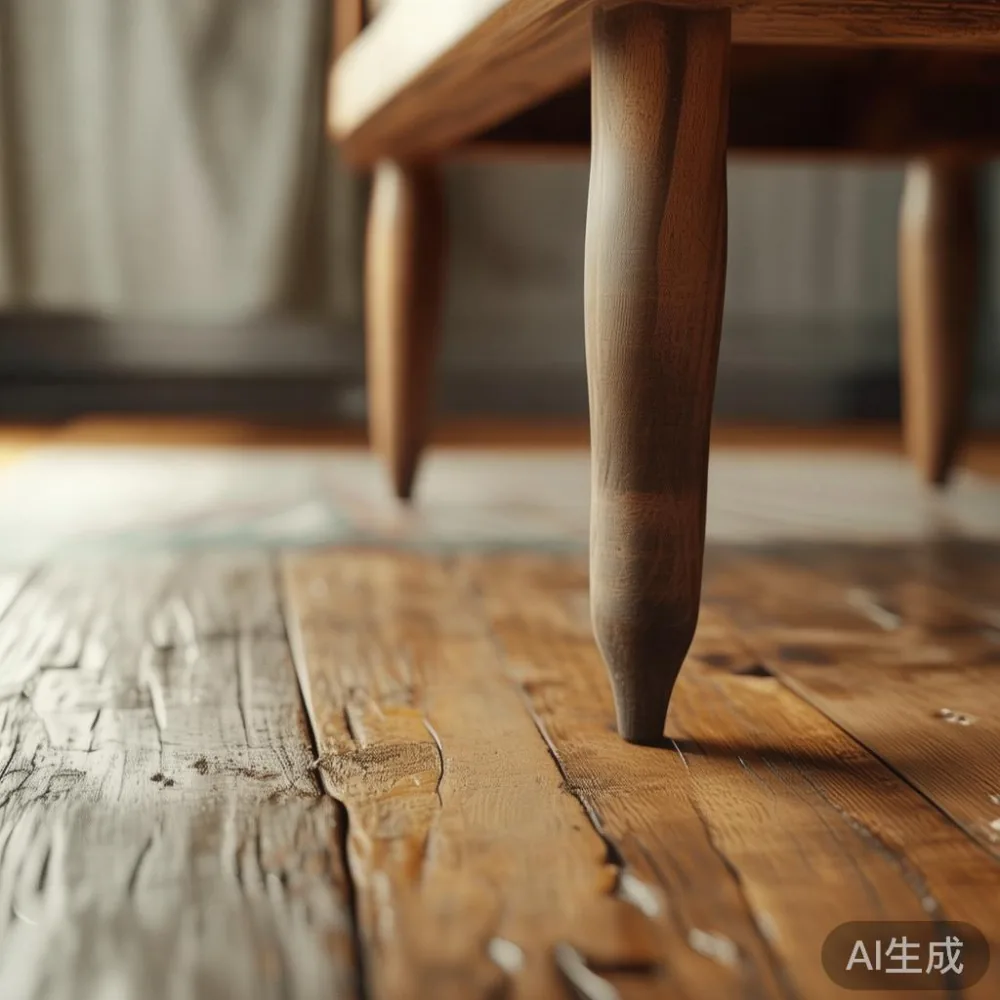
Dense, hard woods like teak, walnut, and white oak are more expensive because they are slower-growing, more durable, and require more solid tools and labour to work with. A solid teak bed frame, for instance, can cost SGD 2,500 or more. Teak's natural oils make it highly resistant to moisture and pests, a valuable trait in Singapore's humid climate. In contrast, a solid pine bed frame might be priced around SGD 1,200. Pine is a softer, faster-growing wood, making it more affordable but less resistant to dents and wear over time.
My colleague recently visited a furniture fair in Foshan and saw the price difference firsthand. He noted that a dining table set made from solid acacia, a durable and visually appealing wood, was priced at SGD 3,800. A similar-sized set made from rubberwood, another common but less dense option, was listed at SGD 2,100. The difference wasn't just the wood; it was the expectation of longevity that the more expensive wood promised. For a family in a Bedok HDB flat looking for a dining table that will withstand years of use, this investment in a harder wood species makes practical sense.
For those seeking a lighter, airier feel in their living space, a French light luxury aesthetic often favours lighter woods like ash or maple. These woods can command a premium due to their fine, even grain and the skilled craftsmanship required to highlight their natural beauty in a sophisticated design.
Design Complexity and Labour Intensity
A simple, rectangular plank of wood is one thing. A piece of furniture with intricate joinery, curved legs, and hand-carved details is another. The amount of human labour involved is a major component of the final price. This is where the distinction between mass-market production and artisanal craftsmanship becomes clear.
Think about a solid wood sofa versus a simple wooden bench. A basic bench might have four straight legs attached to a flat seat with screws. A sofa, however, requires a complex internal frame, reinforced joints, springs, and padding, all upholstered and finished. A modern light luxury sofa with a solid wood base and high-quality fabric can easily exceed SGD 5,000. The price reflects not just the wood, but the engineering for comfort and the labour for assembly.
Joinery is a prime example. A wardrobe held together with staples and glue is inexpensive. A wardrobe built using traditional mortise-and-tenon or dovetail joints is a work of art and costs significantly more. These interlocking wooden connections are incredibly strong and allow the wood to expand and contract with humidity changes, preventing cracks. A wardrobe with this level of craftsmanship might cost SGD 4,000, while a simpler version could be SGD 1,800.
Even within the same product category, design plays a role. A post-modern light luxury dining table with a sculpted marble top and tapered solid wood legs will be priced higher than a standard dining table with a flat wood top and straight block legs. The design, the complexity of the shapes, and the skill of the craftspeople who create them all add to the final cost.
Finishes and Hardware: The Details That Add Up
The raw wood is only the beginning. The finish is what protects the furniture and gives it its final look. There are two main types of finishes: lacquer and oil.
Lacquer is a durable, protective coating that creates a hard, glossy, or matte surface. It is applied in multiple layers, with sanding between each layer. This process is time-consuming and requires a controlled environment. A high-quality lacquer finish on a dining table can add several hundred dollars to the price. It provides excellent protection against spills and scratches, making it ideal for busy homes.
Oil finishes, like tung or linseed oil, penetrate the wood, enhancing its natural grain and giving it a softer, more tactile feel. They are easier to apply and repair but require more maintenance. An oiled finish might be found on a nightstand or a smaller piece where the natural texture of the wood is a key design element. The choice between finish depends on the desired aesthetic and the level of upkeep the owner is willing to perform.
p>Hardware—the knobs, handles, and drawer slides—is another detail that impacts cost. A simple wardrobe might come with basic metal pulls costing SGD 5 each. A wardrobe with custom-cast brass or ceramic handles can have handles costing SGD 50 or more each. Over the course of a large piece with many drawers, these small details can add up to a significant portion of the total cost, contributing to a more luxurious and refined feel.Why Does a Solid Wood Dining Table Cost So Much More Than a Coffee Table?
This is a question we hear often from customers in Singapore. The answer lies in a combination of material volume, structural engineering, and market expectations. A dining table is a statement piece and a structural centrepiece of a home.
Material volume is the most obvious factor. A dining table for 6 people requires a significantly larger, thicker slab of wood than a coffee table. A solid mango wood dining table top might measure 180cm x 90cm x 4cm, weighing over 40kg. A smaller coffee table might be 120cm x 60cm x 3cm, weighing around 15kg. The sheer amount of premium lumber is a direct cost driver.
Structural engineering is the second, and often overlooked, factor. A dining table must support the weight of plates, food, and people leaning on it without sagging or wobbling. This requires a solid base, often with substantial legs and a central support beam. This internal bracing adds to the complexity and material cost. A coffee table, by contrast, supports only a few books and cups, allowing for a more slender, minimalist design.
p>Market expectations also play a role. A dining table is seen as a long-term, generational purchase. People expect it to last for decades. This expectation justifies a higher price point for superior materials and construction. When a customer asks about is Mid-century modern bed worth it, the answer often lies in this principle: the investment is in the quality that ensures longevity and enduring style. Similarly, the price of a dining table reflects the value placed on its role as the gathering place for family and friends.Understanding Brand Value and Warranties
When you buy furniture, you're not just buying the physical object; you're also buying the brand behind it. Established brands like MIDHILL, which has been crafting solid wood furniture since 2008, command a price premium for several reasons. Their reputation is built on consistency, quality, and customer service.
One of the most significant value-adds from a reputable brand is the warranty. A 10-year structural warranty is a powerful guarantee of quality. It means the company stands behind its joinery and frame construction, assuring you that the piece will not fail under normal use. This peace of mind is something you simply cannot get from a no-name seller. For a wardrobe that must withstand daily use in a Punggol condo, this assurance is invaluable.
Other services, like lifetime refinishing, add further value. Solid wood furniture can be sanded down and refinished multiple times, allowing it to look like new for decades. A brand offering this service is providing a long-term relationship with its product, not just a one-time sale. Policies like free shipping over SGD 350 and a 14-day return window reduce the risk and hassle for the buyer, making the higher initial price easier to justify.
These brand services are not just marketing fluff; they represent a real investment in the customer's experience. They ensure that if a problem arises, there is a reliable point of contact. For a large item like a solid wood sofa, which might weigh 80kg and require a specialised delivery service, knowing it will be handled professionally and delivered to your HDB lift lobby without extra charge is a significant benefit.
How to Choose the Right Piece for Your Singapore Home
With an understanding of what drives the price, you can make a more informed decision. The key is to align your budget with your priorities and your living space.
First, measure your space accurately. In many Singapore HDBs, corridor and lift widths are tight. A 180cm dining table might not fit through the door of your Tampines flat if the hallway is only 80cm wide. Always check the product dimensions, including packaging, and consider the path of delivery. A narrow corridor might require a disassembled wardrobe to be carried in, which is a service some brands offer.
Second, consider your lifestyle. If you have young children or pets, a durable wood like teak or a tough lacquer finish might be worth the extra investment. If you prefer a more rustic, lived-in look, a softer wood like pine with an oil finish could be perfect and more affordable.
Third, don't be afraid to mix and match. You don't need an entire boho-style living room set from the same collection. A solid wood sofa from one brand, a marble coffee table from another, and a custom-made nightstand can create a unique, personal space. This approach allows you to allocate your budget to the pieces that matter most to you.
Finally, explore different styles to find what resonates. If you're drawn to clean lines and functionality, you might look for how to choose Japandi sofa options. If you prefer ornate details and a classic feel, you might compare a Japanese sofa vs French provincial sofa. Understanding your aesthetic will help you filter out options that don't fit, preventing you from overpaying for a style you don't love. For those who appreciate a blend of comfort and elegance, a Modern light luxury sofa could be the perfect centrepiece. And if you need practical solutions, searching for for sale Nordic furniture with Mid-century modern with storage could yield excellent results. You can explore these options and more at m.midhill.co.