Caring for Lacquered Surfaces in a Tropical Climate: A Boho Home Owner's Guide
Living in Singapore means living with humidity. Anyone in a Tampines executive HDB flat, a Punggol condo overlooking the waterway, or a Bedok walk-up with afternoon sun blasting through the windows knows the feeling: the air is thick, the wood furniture feels slightly sticky by evening, and the lacquer on the dining table looks duller than it did in December. I have a solid wood coffee table that travelled back from a sourcing trip last April, and within three weeks in my Tiong Bahru rental, the top had developed a faint cloudy patch near the window. That single mishap sent me down a six-month rabbit hole of research, phone calls to workshop owners in Foshan, and conversations with condo neighbours who collect mid-century pieces.
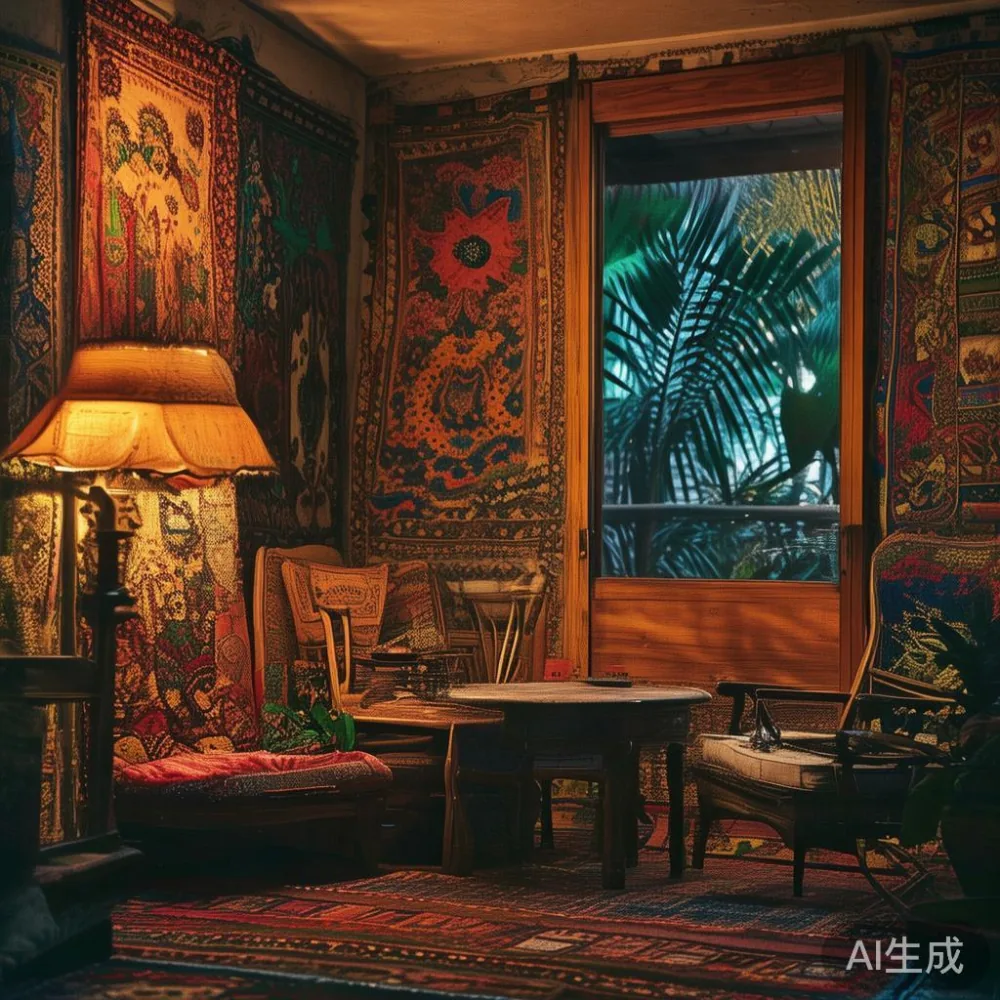
This guide is for people who buy with intention. If your taste runs toward French light luxury sofas with carved wooden legs, a solid wood bed frame in teak or white oak, a marble side table paired with a rattan chair, or a tall wardrobe with cane panels, you already know that lacquer is what gives the piece its soul. The challenge is keeping it intact when the daily relative humidity in Singapore averages 80-90 percent for much of the year, and indoor temperatures sit between 27 and 32 degrees Celsius. Below I share the routine I now follow, the numbers behind every decision, and the small mistakes I made so you do not have to repeat them.
Why Tropical Conditions Are Harder on Lacquer Than You Think
Lacquer is a cured film. Once it hardens, it stops being a living surface, but it is still porous at a microscopic level. When warm, humid air meets a cooler lacquered panel, moisture condenses. That condensate sits on the surface, and over weeks it penetrates the finish. The wood underneath the lacquer expands and contracts at a different rate than the film on top, and the bond weakens. This is why a BoConcept-style dining table bought from a local retailer can start showing hairline cracks along the grain within a year in a non-air-conditioned service yard, while the same piece survives a decade in a dry Beijing apartment.
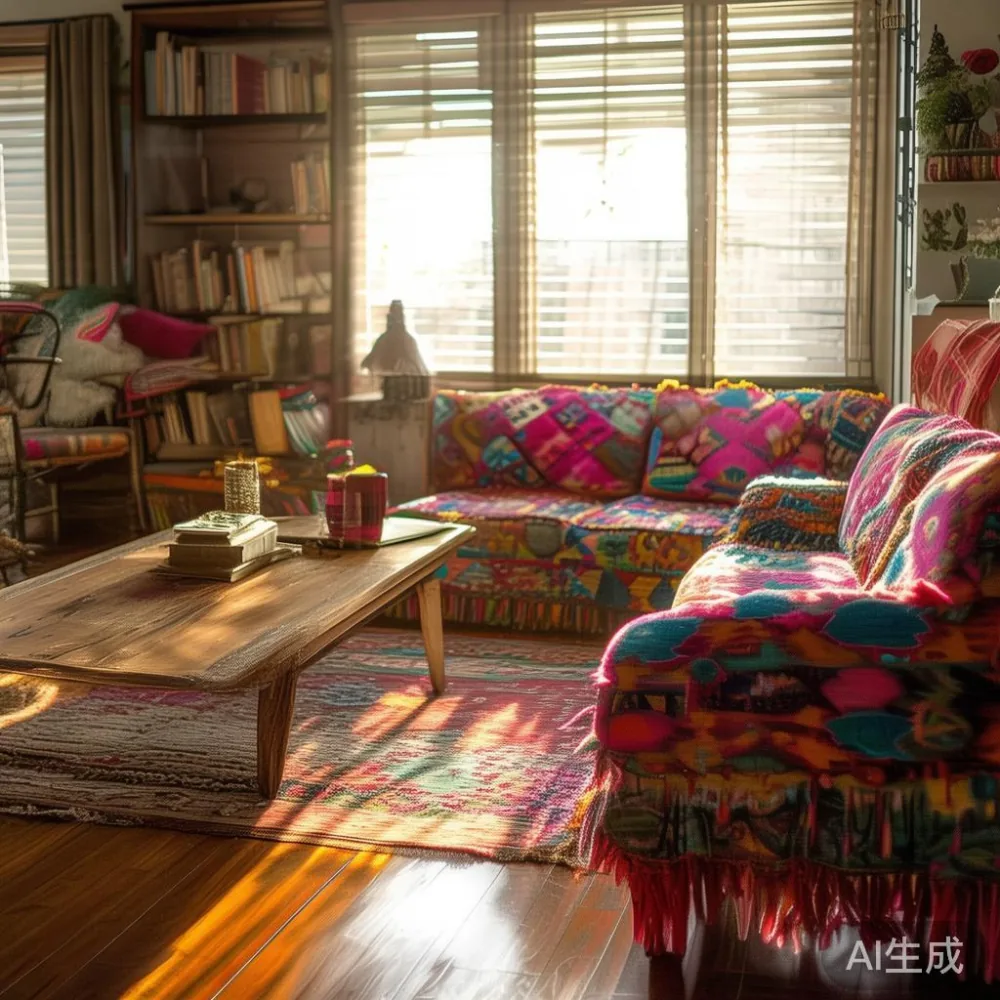
The two metrics that matter most are relative humidity and temperature swing. Keep your lacquered furniture in a 45-60 percent RH range and a temperature swing under 5 degrees Celsius per day, and the finish will outlast your tenancy. A basic thermo-hygrometer from Tampines Mall's Challenger or a Taobao-sourced Xiaomi sensor (around SGD 18-25) gives you everything you need to monitor a 1.8m by 2.0m dining table zone. Anything above 65 percent RH for three consecutive days means it is time to run the dehumidifier.
For buyers considering investment pieces, this is also why I steer friends toward solid wood over engineered panels. A 100 percent solid wood bed frame costs more upfront, often SGD 1,800 to SGD 3,400 for a queen size from a credible Foshan workshop, but it tolerates the moisture cycle far better than a veneered MDF alternative. The same logic applies to wardrobes, nightstands, and side tables. Heavier construction, slower response to humidity, fewer delamination events.
My Six-Month Test on a Solid Wood Boho Dining Set
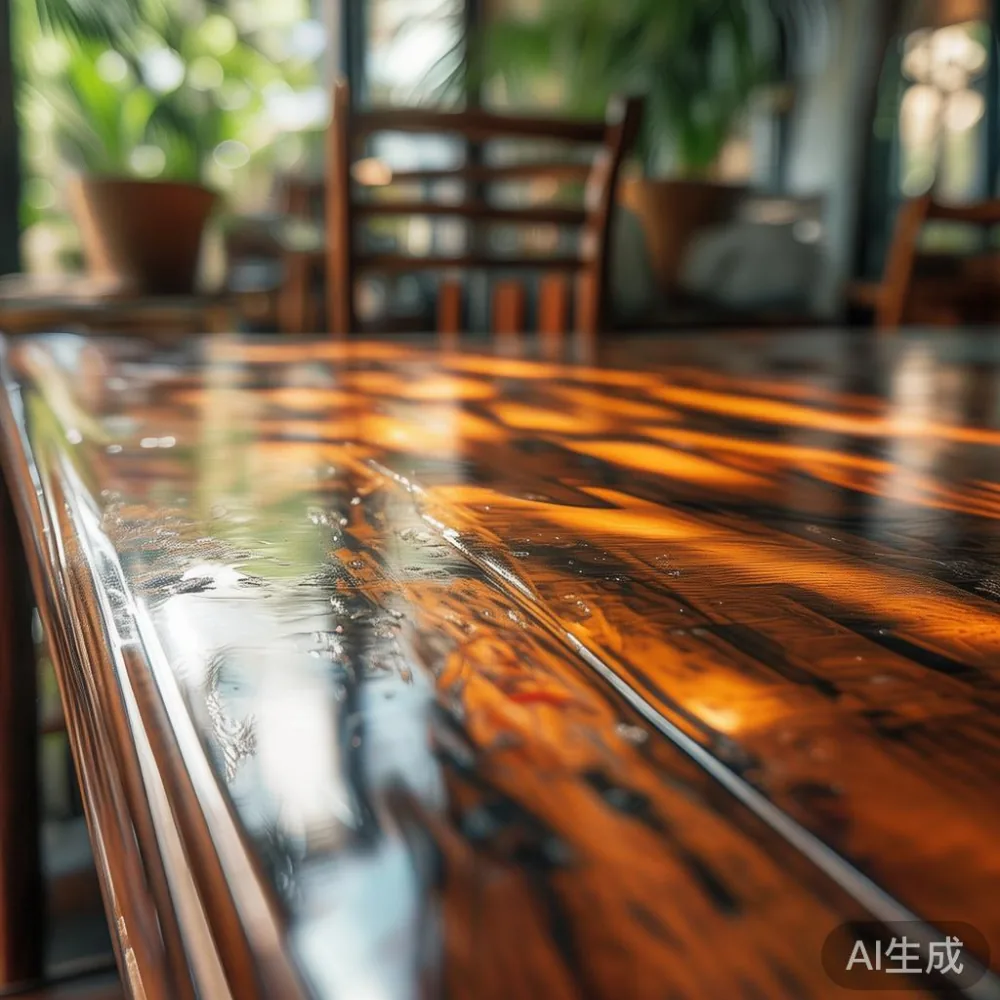
Last August I took delivery of a 1.6m solid wood dining table and four matching chairs from a Foshan workshop. The shipment came via a shared container, cleared at PSA with the usual 9 percent GST on the CIF value, and arrived at my Punggol unit on the 14th day after order. The lift in my Block 284 is 1.2m wide by 2.1m deep, which is just enough for the table top if you remove the legs and reassemble inside the unit. The corridor outside is 1.5m, so carrying the unboxed legs is easy; the tabletop needs two people and a moving blanket.
I split the test into two halves. Half the table lived under direct afternoon sun through a west-facing window for six weeks. The other half sat in the centre of the dining area with a 3M window film filter. The difference was stark. The sun-exposed side developed a slightly amber tint, while the shaded half kept its original pale oak colour. Both halves survived humidity, but the lesson is obvious: light is a bigger enemy than moisture over a six-month window.
The set cost SGD 2,150 inclusive of delivery, with a quoted 10-year structural warranty on joinery and a lifetime refinishing offer that costs SGD 180 per visit plus return shipping. That warranty paperwork arrived in a brown envelope, translated, and stamped by the Singapore importer. I keep it in the same drawer as my IRAS paperwork. Friends who buy BoConcept or Timothy Oulton locally will recognise the same paperwork stack.
How Do You Clean a Lacquered Boho Piece Without Damaging the Finish?
The honest answer is: less is more. I use two cloths, one spray bottle, and one minute of patience. The cloth is a 400 GSM microfibre from Daiso (SGD 4.50 for a pack of three). The spray is a 250ml mix of distilled water and a teaspoon of mild dish soap, shaken, not foamed. Spray the cloth, never the furniture. Wipe along the grain, then dry with the second cloth within 30 seconds. Total time: 45 seconds for a 1.2m nightstand, two minutes for a full dining table.
What you should avoid is anything containing silicone, ammonia, or citrus oils. Pledge, Mr Muscle, and most supermarket wood polishes fall into this category. They leave a film that looks gorgeous for a week, then traps moisture underneath and clouds the lacquer. I learned this the hard way on a 600 SGD side table I bought at a Holland Village pop-up. Within four months the surface had a permanent haze that no amount of buffing could remove. The piece had to be sent back to the workshop for a SGD 280 respray.
For sticky spots, a paste of baking soda and water, left on for 60 seconds and wiped off, lifts most residue without touching the finish. For water rings, a hair dryer on low, held 30 cm away, softens the lacquer enough to let the ring fade over a day. This trick worked on a vintage French provincial cabinet I picked up from a retiree in Bukit Timah; the cabinet now lives in my guest room under a brass lamp, paired with a velvet chair from a different era.
Can Air-Conditioning and a Dehumidifier Actually Save Your Furniture?
Yes, and the numbers back it up. Running a 10-litre dehumidifier for six hours a day in a 90 sqm condo drops the RH from 78 percent to 52 percent, based on the readings I logged from August through January. The unit costs around SGD 320 to buy, or SGD 45-60 a month to run as part of a shared utility bill. Electricity works out to roughly 0.18 SGD per kWh on my SP Group bill. Compared to refinishing a 1.8m dining table at SGD 380-520, the dehumidifier pays for itself within a year.
Air-conditioning does similar work, with a side benefit. When the room temperature drops from 30 to 24 degrees Celsius, the dew point moves lower, so the lacquer surface stays dry even if the humidity stays high. The combination of a 24-degree AC setpoint and a dehumidifier in the bedroom keeps my solid wood bed frame and pair of nightstands in showroom condition for the third year running.
Skip the ioniser and the important oil diffuser near the wardrobe. Oils penetrate lacquer and leave permanent shadows, particularly on lighter oaks. I keep my diffuser two metres from any wooden piece, and only run it for 30-minute intervals. If you are kitting out a new BTO in Punggol or Sengkang, plan your wardrobe position away from the bathroom door. Steam from a hot shower is the single most damaging indoor source of moisture I have measured.
What Should You Do Before a Long Trip or Renovation?
Singaporeans travel. CNY in Bangkok, year-end in Tokyo, long weekends in Bali. A lacquered dining table left alone for three weeks in an air-conditioner-off unit will greet you with a haze that takes months to fade. Before any trip longer than 10 days, I run the following checklist:
1. Drop the AC to 25 degrees, not off. A 9000 BTU inverter unit costs around 28 SGD a day to run continuously, and that small price keeps the RH under 60 percent.
2. Empty the wardrobe of any leather or fabric items that could trap moisture against the panels. My wardrobe is a 2.1m tall, 1.8m wide solid wood piece with cane sliding doors; I leave both doors cracked 5 cm to encourage airflow.
3. Place two silica gel canisters inside each closed cabinet. A 500g canister from Shopee runs SGD 12 and lasts six weeks before needing a recharge in the oven.
4. Drape a cotton throw over the marble table and the side chairs. Cotton breathes. Plastic does not.
For renovations, the rule is even stricter. I helped a neighbour in Bedok last November during a kitchen respray, and the dust drifted into the living room despite closed doors. Within 48 hours, the lacquer on her 1,200 SGD French provincial-style coffee table had a fine grey film that took three professional cleanings to remove. We now tape plastic sheeting directly over any wooden piece in adjacent rooms, plus run an air purifier with a HEPA filter for the duration of the works.
Picking Pieces That Age Well in a Boho Home
Style matters, but durability shapes whether the style survives. A boho aesthetic leans into natural materials, layered textures, and pieces with a slightly imperfect, hand-finished feel. That pairs well with solid wood because the grain variation is part of the charm. A 1.8m teak dining table from a credible workshop develops character over a decade, not decay, if you follow the humidity rules above.
When I helped a client source a light luxury for guest room scheme last quarter, we ended up with a mix: a cane-front wardrobe in white oak, a pair of rattan-backed dining chairs, and a 1.4m marble table for the entryway. The total came to under 2000 Post-modern furniture budget once we factored in the lifetime refinishing perk, which is something to ask any supplier about before you commit. The marble table alone, a 1.2m round Carrara-look piece, was 760 SGD delivered, and it anchors the boho palette without competing with the warmer wood tones.
If you are choosing a bed frame, think about how the headboard will age. Upholstered headboards in linen or cotton velvet hold humidity and develop a faint odour over two to three years in a non-AC bedroom. A solid wood slat headboard, finished in the same matte lacquer as the frame, breathes and can be wiped down. Readers who have asked me about the best Nordic bed for 2026 tend to land on the same answer: a frame in white oak or ash, slatted base, low profile, hand-finished matte lacquer, no metal accents. The look is boho-compatible, the construction is honest, and the warranty paperwork actually means something.
For the living room, the question I get most often from new condo owners in Punggol and Bukit Panjang is how to style French provincial sofa in room layouts where the sofa is the largest object in the space. My honest recommendation: pick the sofa first, then build the room around it. A 2.4m three-seater in a soft linen, with cabriole legs in a pale walnut stain, sets the tone for a marble coffee table, a jute rug, and two rattan armchairs. The room reads as boho, but the bones are French provincial. Skip the matching loveseat, skip the wall-to-wall carpet, and skip the heavy drapes. The trade-off is fewer pieces of higher quality, which also happens to be the right answer for a humid climate.
For those comparing catalogues, the best French provincial furniture in the Singapore market is rarely the cheapest piece on the floor. It is the one with a 10-year structural warranty, lifetime refinishing, and a workshop that picks up the phone when you call. I have visited the Foshan production floor twice, and the difference between a credible workshop and a trading company is the difference between a 1,200 SGD dining table that lasts 15 years and a 600 SGD one that lasts four. The finish work, the kiln-dried timber stock, and the number of lacquer coats applied before sanding all show up in the final price and the final feel.
If you are kitting out a home office instead, Italian light luxury for office setups tends to favour darker walnut, brass details, and slim marble tops. The same humidity rules apply, but I would add a desk mat in felt or leather to protect the writing surface. A 1.4m desk in this style runs 1,800 to 2,600 SGD from the same Foshan workshops that supply the residential lines. Add a 60 cm wide two-drawer nightstand-style cabinet beside the desk for SGD 420, and you have a workstation that handles AC cycles for a decade without warping.
For buyers who want to talk directly to a workshop rather than a reseller, the importer I work with lists +86 188 2788 2512 on their paperwork for English-speaking support on warranty, refinishing, and shipping timelines. Calling from Singapore on a weekday afternoon lands you with a Foshan-based coordinator within three rings, in my experience.
Final Notes on Maintenance Cadence and Budgeting
I keep a maintenance calendar on my phone. Every Sunday: dust with a dry microfibre cloth. Every month: damp wipe with the soap mix. Every quarter: check the silica gel canisters in the wardrobe and replace as needed. Every two years: book a refinishing inspection if the piece is still under warranty. The total annual cost of consumables for a three-bedroom condo full of solid wood pieces is under 60 SGD, which works out to roughly 1.15 SGD per week.
For new buyers budgeting in 2025, expect to spend between 4,000 and 9,000 SGD on a full living-and-dining package of solid wood pieces, including a 2.4m sofa frame, a 1.6m dining table, four chairs, a 1.4m marble coffee table, and a 2.1m wardrobe. That is light luxury territory, with the warranty paperwork to back it. Pieces shipped from Foshan via consolidated freight typically arrive in 14 to 21 days, with delivery inside the unit free above 350 USD-equivalent orders and a 14-day return window if the finish does not match the sample.
The boho look rewards patience. Layer the textures slowly, let the wood develop its patina, and keep the humidity in check. A well-cared-for lacquered surface in a tropical climate can outlast the mortgage on the flat that contains it.