The Real Story Behind Solid Wood Furniture Prices
Walking through a furniture store in Singapore, especially in areas with new developments like Tampines or Punggol, you see a wide range of prices. A simple wooden nightstand might cost SGD 299, while a large dining table could be SGD 4,500. The difference seems vast, and the common assumption is that it's just about brand names or fancy looks. But the reality is far more nuanced. The price of a piece of solid wood furniture is a story told in its materials, its craftsmanship, its journey, and its purpose in your home. For those of us living in Singapore's HDB flats and condos, where space is a premium and every purchase is a long-term commitment, understanding these factors is key to making a wise investment.
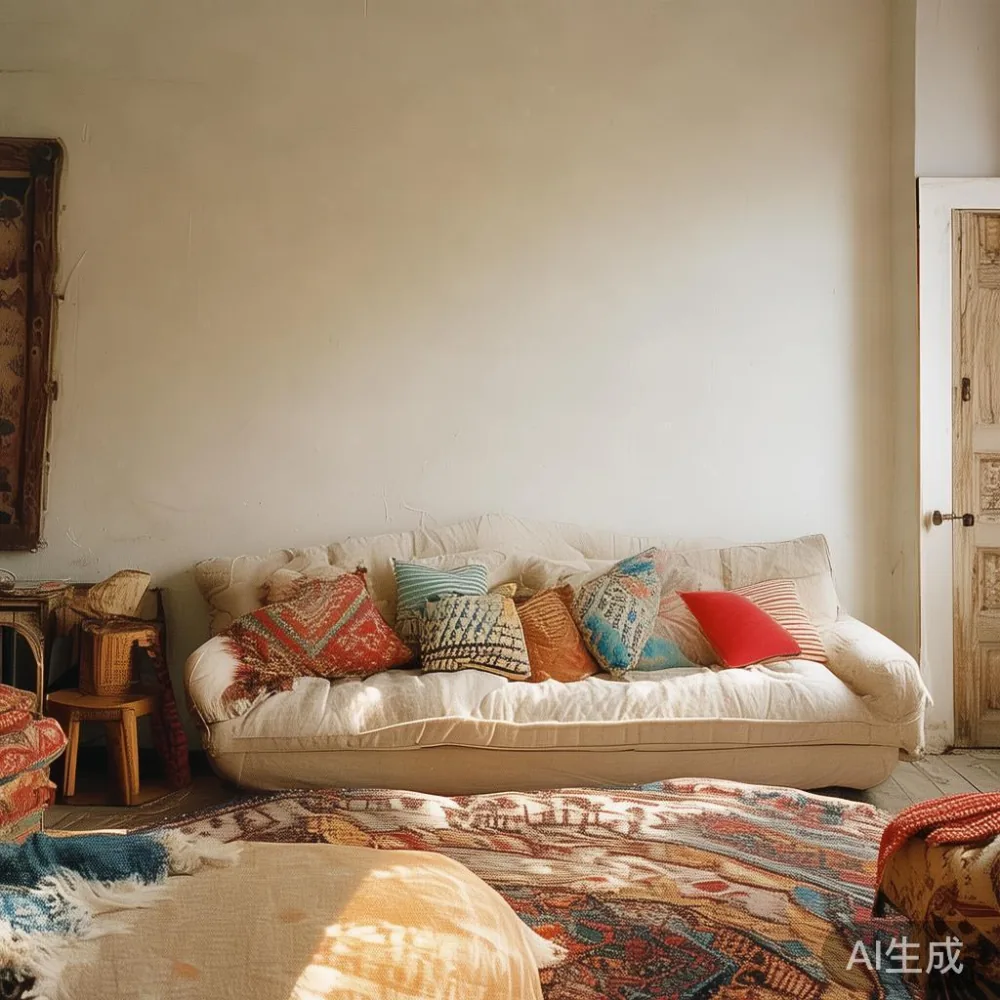
Why Is That Solid Wood Sofa So Expensive?
Let's start with the most obvious factor: the wood itself. Not all wood is created equal, and the species used is a primary driver of cost. Take mango wood, a popular choice for boho-style furniture. It's a durable, attractive hardwood with a unique grain pattern. A solid wood sofa frame made from mango wood will naturally cost more than one made from a softer, less-durable wood like rubberwood. The density of the wood matters. A dense wood like teak or sheesham is heavier, often weighing over 50 kg for a standard sofa frame, and it's more resistant to dents and wear. This density translates directly to a higher price. When you see a price tag, you're often paying for the inherent quality and longevity of the material itself. The weight of a piece is a good, simple indicator of the amount of solid material you're getting.
Another material consideration is the finish. A simple, natural oil finish might be applied by hand, allowing the wood's character to show through. A more complex finish, like a high-gloss lacquer or a multi-layered stain that mimics an aged look, requires more time and expertise. For example, achieving the perfect patina on a piece of French provincial furniture involves a specific multi-step staining and waxing process that can add hundreds to the final price. The finish protects the wood but also defines its aesthetic, and that artistry has a cost. For those looking for a specific style, like a boho-style living room, the finish is what ties the natural wood into the design vision.
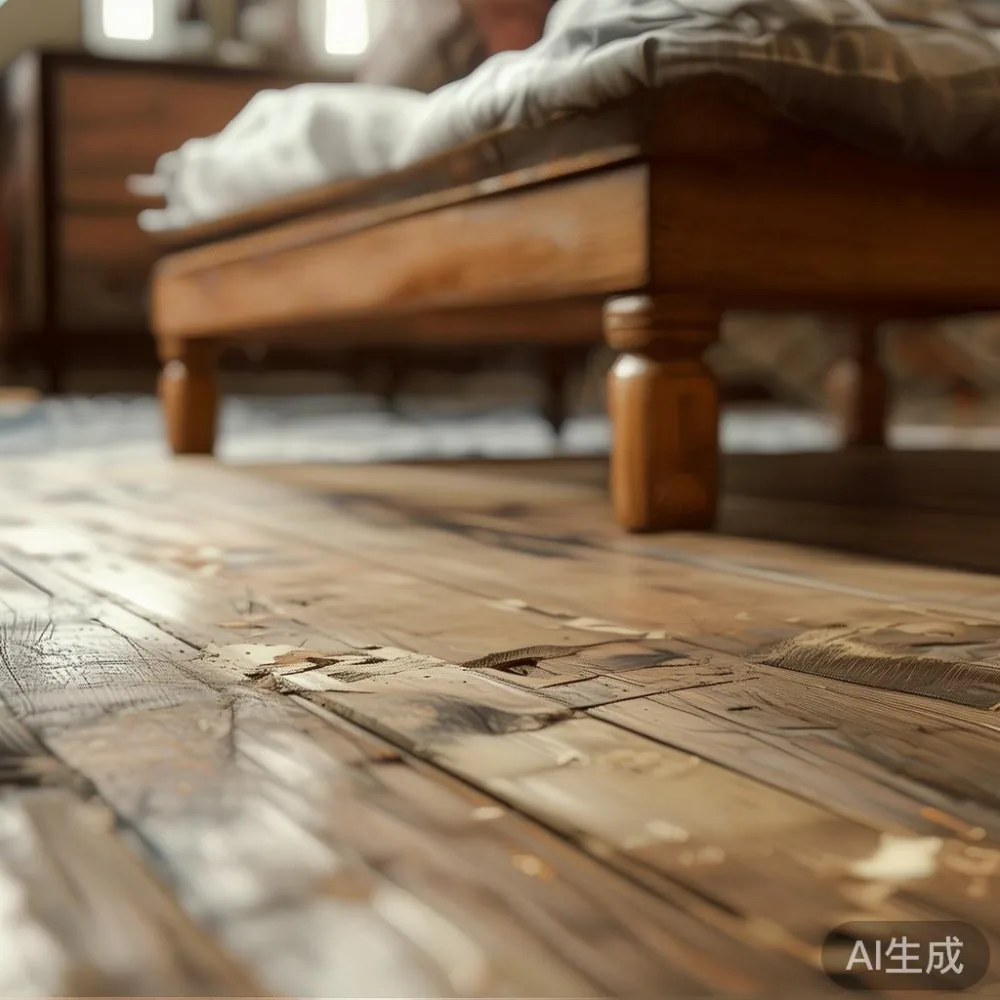
Is It Just the Wood? The Unseen Labour of Love
If the wood is the body of the furniture, the craftsmanship is its soul. This is where the price can diverge most dramatically between a mass-produced item and a well-made one. Consider the joinery. A cheap wardrobe might be held together with staples and cheap glue. A high-quality wardrobe, however, will use traditional joinery methods like mortise and tenon or dovetail joints. These interlocking wooden components create a bond that is incredibly strong and will last for decades. My colleague visited a workshop in Foshan last month and watched a master craftsman assemble a bed frame using only hand tools and these ancient techniques. The precision and skill involved were undeniable, and the result was a frame that felt solid and immovable, a stark contrast to the wobbly alternatives. This level of craftsmanship is not automated; it is honed over years and is reflected in the price.
The process of hand-carving is another significant cost factor. Intricate details on a headboard, the curved legs of a marble table, or the ornate feet of a cabinet cannot be replicated by a machine. A skilled carver in a workshop might spend three full days carving the details for a single dining table top. This time-intensive labour adds a premium to the piece, but it also gives the furniture a unique, human quality that mass production cannot achieve. For a homeowner in a Bedok HDB flat, a hand-carved piece can become a conversation starter and a centrepiece of the home, justifying the extra cost.
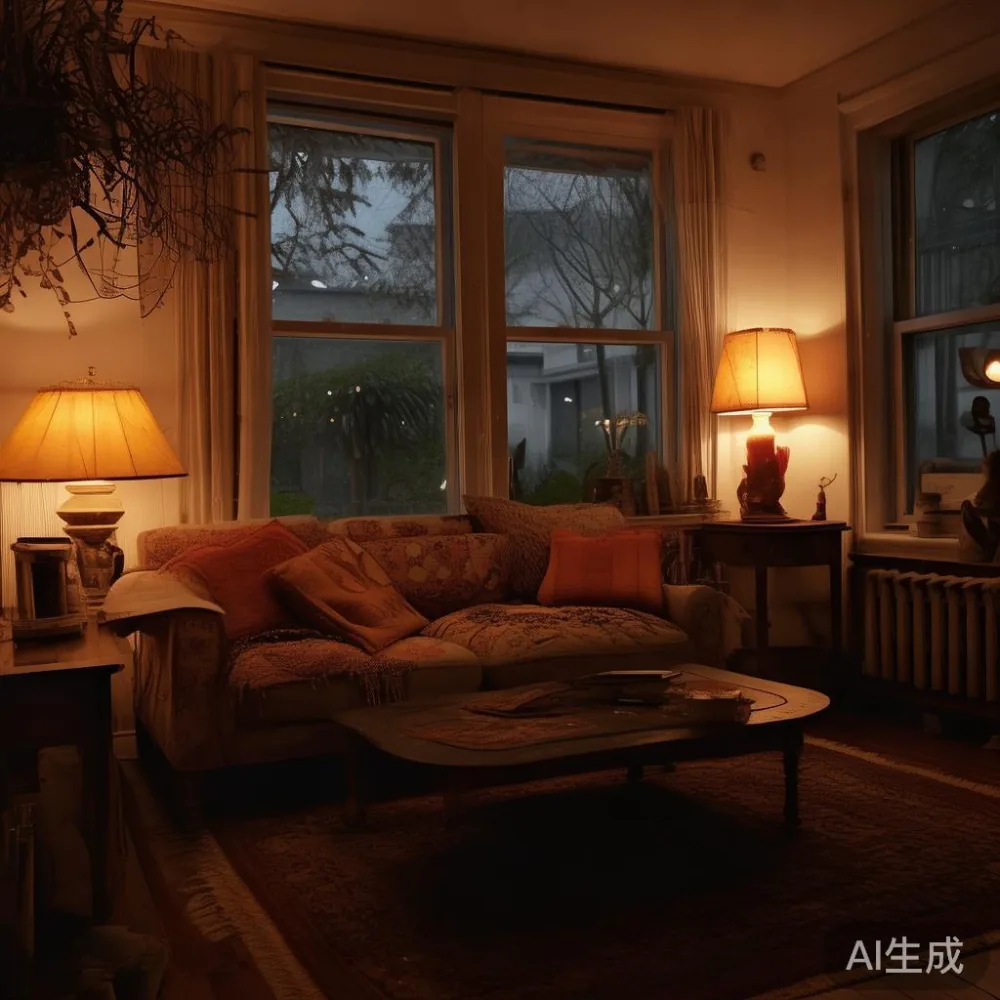
From Workshop to Your Living Room: The Hidden Logistics
A piece of solid wood furniture doesn't magically appear in a showroom. It has a journey, and every step of that journey adds to the final cost. Let's trace the path of a solid wood dining table from its origin in Foshan to a condo in Tampines. The wood is sourced and dried in a kiln for several weeks to prevent it from cracking in Singapore's humid climate. It is then crafted, finished, and packaged. The shipping itself is a major expense. A single dining table can weigh 70 kg and requires a sturdy wooden crate for protection. Shipping a container of furniture from Foshan to Singapore takes about 18-21 days, and the cost of sea freight, handling, and customs duties is factored into each piece's price.
Once it arrives in Singapore, there are local costs to consider. For a purchase over SGD 350, many brands like MIDHILL offer free shipping, which is a significant value. This service includes the cost of a specialised furniture van, not just a standard delivery truck. The delivery team must work through the narrow corridors and lifts of many HDB flats, sometimes disassembling a wardrobe to get it through a doorway. This requires skilled personnel and time. For smaller items, like a nightstand, the cost is lower, but for a large wardrobe that needs assembly in your bedroom, the delivery and installation service is part of the package you pay for. The 7% Goods and Services Tax (GST) is also applied to the final price, adding a mandatory government levy to the total cost.
Why Does a 'Boho Style' Wardrobe Cost More Than a Basic One?
The style and design of a piece are not just about aesthetics; they are about engineering and purpose. A simple, flat-packed wardrobe might be cheap, but it offers little in terms of function. A well-designed wardrobe for a boho-style bedroom, for instance, might feature a combination of hanging space, multiple shelves of varying depths, and perhaps a dedicated shoe rack or built-in drawers. Each of these features requires more material and more complex construction. The internal hardware—soft-close drawer slides, silent door hinges, and smooth-running drawer runners—is another area where quality impacts price. A set of good drawer slides can cost SGD 50-100 alone, and a wardrobe might have five or six sets. This hardware ensures the piece functions smoothly and quietly for years, preventing the frustrating slam of a cheap drawer.
Design also influences the amount of material used. A minimalist Scandinavian sofa might have clean, straight lines and use less wood in its frame. In contrast, a plush, deep-seated sofa with rolled arms and a low back, a popular choice for American light luxury, requires a more substantial frame and more padding, using more material in total. The design choice directly correlates with the cost. When you choose a specific style, you are paying for the design philosophy and the material choices that come with it. The best Boho bed for 2026, for example, might feature a tall, slatted headboard that requires more wood and a more complex construction than a simple platform bed.
What About the Warranty? Is It Just a Sales Gimmick?
A warranty is one of the clearest indicators of a manufacturer's confidence in its product. A 1-year warranty is standard. A 10-year structural warranty, like the one offered by some established makers, is a promise of quality. It means the company stands behind the integrity of its joinery and frame construction for a decade. This isn't just a piece of paper; it represents the use of high-quality materials and superior craftsmanship. If a frame were to fail within that period, the company would replace it. This long-term protection provides peace of mind for the buyer, knowing their investment is secure. For a family in a Punggol condo, buying a bed frame they expect to use for the next 15 years, this 10-year warranty is a significant factor in the purchase decision, assuring them that the piece is built to last.
Similarly, a lifetime refinishing warranty is a proof of the quality of the wood and the finish. Solid wood can be sanded down and refinished multiple times over its lifespan. This warranty covers the cost of labour to refinish the piece if the original finish becomes damaged, ensuring it can look as good as new for decades. This service extends the life of the furniture indefinitely, making it a sustainable choice. The value of these warranties is not included in the sticker price, but it is a form of value that you receive with a higher-priced, well-made item. It's an assurance that you are not just buying furniture for now, but for a lifetime.
How Do I Know If I'm Paying for Quality or Just a Label?
This is the ultimate question for any shopper. It's easy to be swayed by marketing, but there are concrete ways to assess value. First, ask about the specifics. Don't accept "solid wood" as an answer. Ask "What species of wood is it?" A salesperson should be able to tell you it's mango, sheesham, or oak. Ask about the joinery. If they can't explain the difference between a dowel joint and a mortise and tenon joint, it might be a sign that the construction is simpler. Second, physically inspect the piece. Lift it. A heavy piece is a dense piece. Check the corners and joints; they should feel tight and solid, not loose or wobbly. Run your hand along the surfaces; they should be smooth, with no snags or rough patches.
Finally, consider the total cost of ownership. A cheap sofa might seem like a bargain at SGD 800, but if it starts to sag and the frame breaks in two years, you've lost that money. A SGD 2,500 sofa with a 10-year warranty might seem expensive, but if it lasts for 20 years, the annual cost is much lower. Think about the resale value. High-quality, well-made furniture retains its value far better than cheap, mass-produced pieces. For those with a taste for Italian light luxury for small living room or a classic French provincial furniture, the initial investment is part of a long-term appreciation for design and durability. The best Scandinavian sofa for 2026 is not just about its looks; it's about its ability to remain a functional and beautiful part of your home for years to come.
In the end, the price of solid wood furniture is a reflection of its entire lifecycle. It's the cost of the tree that became the wood, the artisan who shaped it, the materials that finished it, the shipper who transported it, and the company that stands behind it. For a homeowner in Singapore, where space is finite and every purchase should count, understanding these drivers helps you move beyond the price tag and see the true value of a piece that is built to last a lifetime. When you're ready to make that choice, you can find more information on their site at www.midhill.co.