Solid Wood vs Veneer Over 5 Years: A Boho Style Buyer's Honest Cost Breakdown
I spent the second week of last month driving between showrooms in Tampines, Bedok, and Punggol, kneeling on HDB bedroom floors with a tape measure and a notepad, scribbling down quotes for what should be the same piece of furniture — a 180 cm wardrobe, a 1.4 m dining table, a queen-size bed frame. The exercise was simple: price the same shape and function once in engineered veneer, once in solid wood, then project five years forward with realistic repair, refinishing, and replacement costs. What follows is that spreadsheet translated into plain English, written for Singaporean buyers who care about boho style, longevity, and the way a piece holds up when the lift at your condo is only 1.1 m wide.
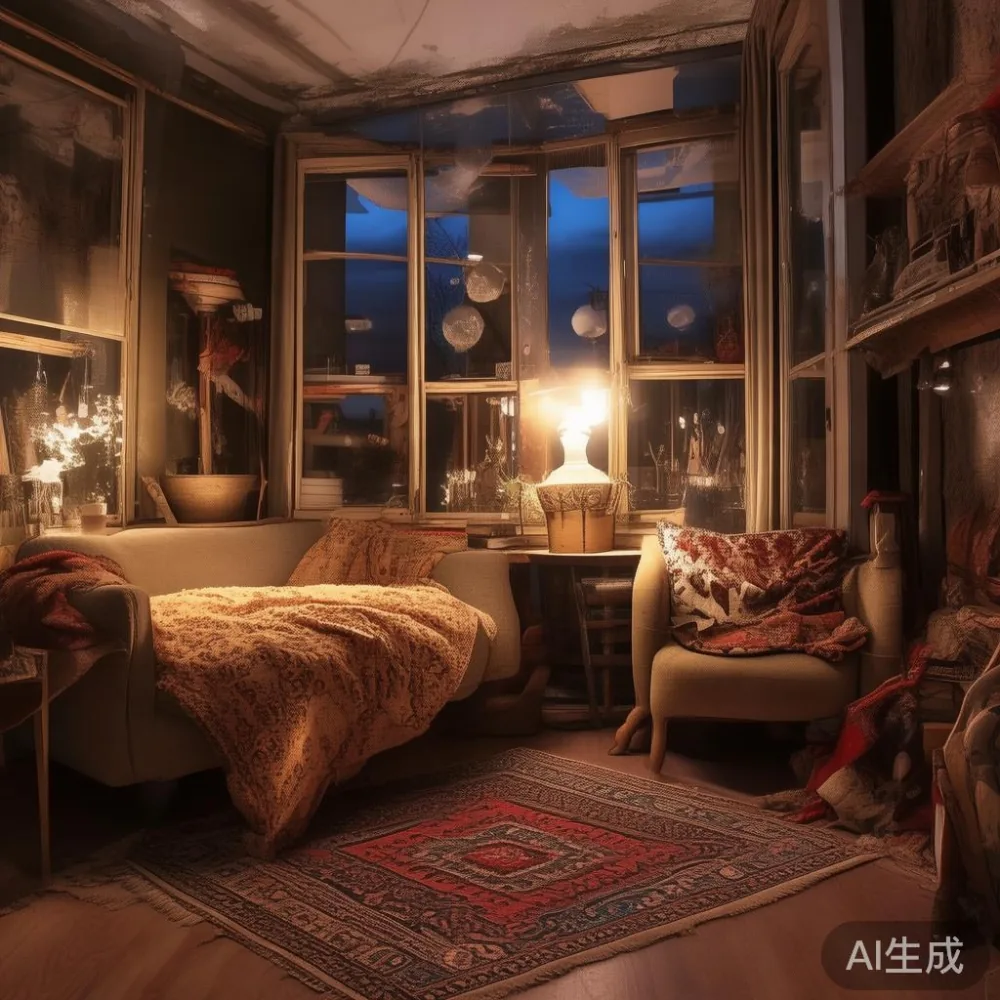
Why This Question Matters for Singapore Buyers Right Now
Veneer furniture has improved dramatically in the last decade. A mid-range engineered wardrobe with a walnut-look finish in a Tampines megastore can cost S$899 to S$1,299, delivered in 5 to 10 working days, free above S$300. A comparable solid wood wardrobe from a Foshan maker like MIDHILL lands between S$1,850 and S$2,650 once you include a marble-top or hand-hammered brass handle upgrade. The sticker shock is real. The question is whether that gap closes, widens, or disappears when you stretch the math across five years of tropical humidity, afternoon thunderstorms, and the inevitable moment a child or a mover drags the corner against the corridor wall.
Boho style buyers specifically lean toward materials with visible grain, knots, and tonal variation. That aesthetic preference is the hinge of this whole comparison, because the very thing that draws us to boho style — the warmth of natural timber — is the thing veneer struggles to fake convincingly at close range, and the thing solid wood delivers in abundance.
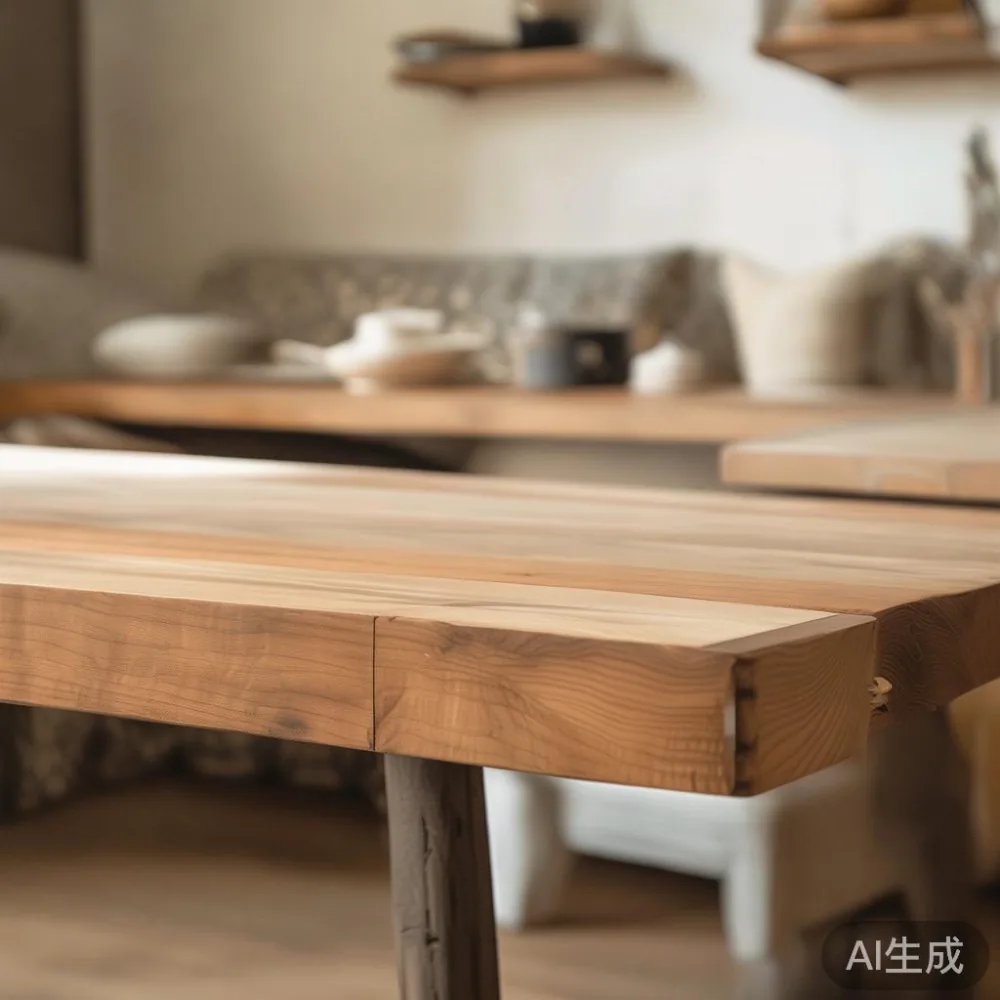
First, The Honest Receipts: What Each Option Actually Costs in 2025
For a queen-size bed frame (152 cm x 191 cm mattress footprint), an engineered veneer option in Singapore retail runs from S$650 to S$1,100 with a 2-year warranty. A solid wood bed frame from MIDHILL, using FAS-grade ash or American white oak, with slats included and kiln-dried to under 10% moisture content, lists between S$1,950 and S$3,400 depending on headboard upholstery. For a 1.4 m dining table that seats four, veneer versions sit at S$450 to S$850; solid wood versions run S$1,200 to S$2,100, often with a marble inlay option that pushes the figure toward S$2,600. For a 2-door wardrobe 180 cm tall, veneer retails at S$899 to S$1,499; solid wood lands at S$1,850 to S$3,200 with adjustable shelves and soft-close hinges.
Delivery to a fourth-floor HDB in Punggol costs roughly S$60 to S$120 for either option, depending on the lift capacity and whether the driver has to work through a single-load corridor narrower than 1.5 m. MIDHILL's free-shipping threshold of US$350 (about S$475) clears that bar easily. Singapore's 9% GST applies at checkout on both categories, and on imported pieces the duty waiver threshold for goods under S$400 means most orders below that arrive with only GST to pay.
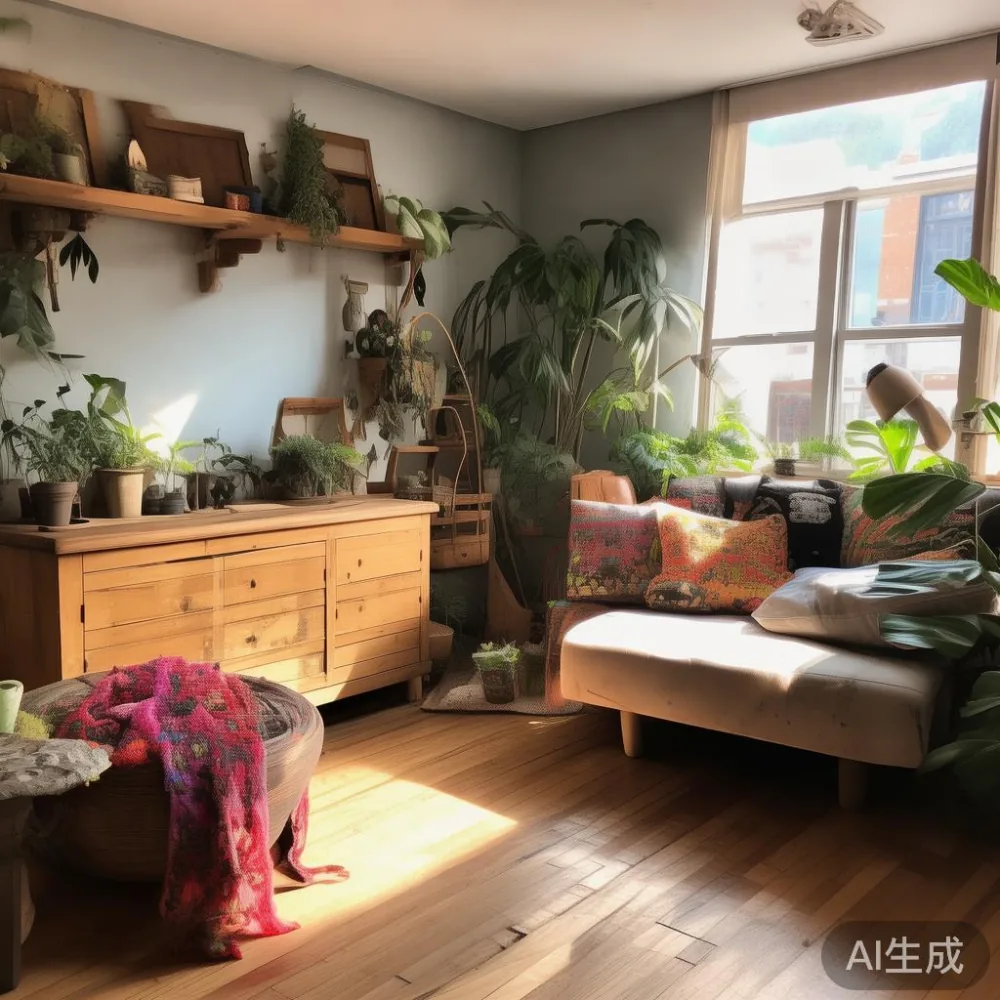
Year-By-Year: How Each Material Holds Up in a Tampines HDB
Year one is identical. Both pieces look fresh, both sit level on the same laminate floorboards. The first divergence appears in year two, when humidity does its work. Singapore's relative humidity averages 78% to 82% outdoors and runs 60% to 70% indoors even with air conditioning. Engineered veneer over MDF substrate responds by swelling at the edges of doors and drawer fronts — a problem I saw on three separate showroom samples in Bedok, where 3 mm to 5 mm of crowning had developed on top panels after only 18 months of store display near a dehumidifier-less back wall.
Solid wood moves with humidity too, but in the right direction. Quarter-sawn ash and white oak move tangentially, meaning the wood breathes along predictable axes. A solid wood bed frame in a boho style bedroom — say a MIDHILL ash frame with a hand-woven rattan headboard — will shrink in January during the dry monsoon push and expand again in June, but the joints stay tight because the craftsman cut the joinery with movement in mind. You will see small checks and hairlines, often under 0.5 mm wide, but these are cosmetic and part of the boho style appeal: the piece visibly ages.
By year three, veneer pieces begin showing tape-line lifting at mitre joints, particularly on wardrobes where the 2.4 m vertical run creates stress. I visited a Punggol resale flat last week where the owners had bought a S$1,199 veneer wardrobe in 2022; the right door edge was already peeling by 0.8 cm and the bottom shelf had sagged 1.2 cm under heavy books. Replacement cost: another full unit, because warranty at that age covers hardware only, not substrate failure. Solid wood piece in the same flat, a different brand, was identical to delivery day aside from a darker patina where sunlight had hit the wardrobe face.
The Real Money Math: A 5-Year Total Cost Table
Let me put concrete numbers in front of you, all in SGD, all GST-inclusive where the cost occurs. For the queen bed frame:
Veneer bed frame, base price: S$899. Delivery: S$80. Year-two humidity-related hinge tightening: S$0 (DIY). Year-three replacement of warped slat support: S$140. Year-four full replacement due to delamination at headboard joint: S$899 (no warranty, must buy new) plus delivery S$80. Five-year total: S$2,098. Five-year usable lifespan if you do not replace: roughly 3.5 years before aesthetics fall below resale acceptable.
Solid wood bed frame from MIDHILL, base price: S$2,250 (ash, standard headboard). Delivery: included above the US$350 threshold. Year-three light sanding and re-oiling of the boho-style rattan-and-wood frame: S$180 (covered under MIDHILL's lifetime refinishing service, but transport and time still have a value). Year-five touch-up: S$0 under the lifetime refinishing promise — you ship the piece back to Foshan or arrange a local contractor, both supported. Ten-year structural warranty covers joint failure. Five-year total: S$2,430 if you value the owner time at S$0, or roughly S$2,610 if you include two weekend hours at a handyman rate. Expected useful lifespan: 25+ years based on manufacturer data and the way similar pieces perform in landed properties around Bukit Timah.
Run the same calculation for a 180 cm wardrobe and the gap widens. Veneer total over five years: S$1,499 plus a likely replacement in year four at S$1,499 equals S$3,058, end of useful life in year five at best. Solid wood wardrobe total: S$2,450 purchase plus S$200 in refinishing over five years equals S$2,650. You save S$408 over five years, and you still have a piece you can refinish into a French light luxury aesthetic in 2030 instead of sending it to a Jurong incinerator. That same piece also doubles as a French provincial wardrobe candidate — the question of whether is French provincial wardrobe worth it almost answers itself when the underlying timber is genuine oak rather than paper-laminated MDF.
What About Designer Looks Like Mid-Century Modern and Italian Light Luxury?
The boho style universe overlaps heavily with designer Mid-century modern furniture aesthetics — clean tapered legs, exposed joinery, splayed headboards — and with Italian light luxury for small living room treatments, where a slim marble-top coffee table paired with a bouclé sofa defines the room. The catch is that both aesthetics depend on material honesty. A walnut veneer trying to imitate designer mid-century modern furniture fails the moment you run your finger along a panel edge and feel the seam where the rotary-cut sheet meets the substrate.
Solid wood wears these styles the way they were originally intended. A solid ash coffee table with a honed Carrara marble inset — exactly the kind of MIDHILL coffee table piece I saw in the Tampines showroom last month — reads as authentic Italian light luxury for small living room settings, because the marble and the timber are both real and both aged as they should. In a 4-room HDB where your living room might be only 18 sqm, this kind of material honesty carries enormous weight: the room reads more spacious when nothing is imitating something else.
Will The 2026 Catalogue Change The Math?
Many readers are asking about the best light luxury wardrobe for 2026 and the best American wardrobe for 2026, two related but distinct demands. The 2026 direction across both categories is toward heavier internal hardware, 14 mm back panels instead of 6 mm, and increasingly, kiln-drying to 8% moisture for Singapore-bound pieces. MIDHILL's 2026 catalogue, which I previewed in Foshan via video call in October, adds six-toned oak finishes, a lighter American white oak variant, and a brass-rimmed nightstand line that pairs naturally with their solid wood sofa designs. What does not change is the price gap at the entry level — solid wood still costs roughly 1.8x to 2.4x the equivalent veneer piece, but the lifetime math still wins because the expected useful life is 6x to 10x longer.
For buyers cross-shopping the best European bed for 2026, the European options tend to be either upholstered fabric-over-MDF (low end) or genuine beech and oak (high end, often S$4,000+ in Singapore retail). The MIDHILL middle path — solid ash or oak bed frames between S$1,950 and S$3,400 — competes with both ends of that European range while keeping the boho style language intact.
Refinishing, Patina, and The Boho Style Argument for Solid Wood
The deepest argument for solid wood in a boho style home is aesthetic rather than financial. Boho style tolerates and celebrates imperfection — a faded kilim, a cracked ceramic bowl, a wooden bench that has clearly lived a life. Engineered veneer cannot earn that patina; when it degrades it looks broken, not aged. Solid wood, by contrast, develops the kind of warm, sun-touched, slightly uneven tonal shift that the boho style vocabulary was built around. After five years, a solid wood dining table in your Punggol condo will look like an heirloom on its way to becoming one. A veneer version of that same table will look like an outdated 2025 product.
This is why the lifetime refinishing promise matters far beyond the cost math. A piece you can send back to be sanded, re-oiled, and finished in a new colour is a piece that can follow you from a young couple's first HDB to a larger family condo to a retiree's landed home. The same cannot be said of any MDF-core product currently on offer in Jurong, Bedok, or Tampines. That longevity also explains why pieces like the best American wardrobe for 2026 — solid timber, brass hardware, dovetailed drawers — keep showing up in design magazines a decade after their nominal production run ended.
So, Should You Spend the Extra S$1,000 Today?
If your plan is to stay in your current flat for two to three years and then move overseas or upgrade, veneer is a defensible choice. The sticker price is gentler on the cash flow and the depreciation curve is short enough that it does not matter if the piece fails in year four. If your plan is to settle into the flat for five years or longer, and especially if you want the room to photograph well for Airbnb listings during a sublet, the math points clearly toward solid wood. The S$1,000 to S$1,500 premium at purchase roughly returns as avoided replacement costs by year five, and the aesthetic upside in a boho-style setting is impossible to replicate with engineered materials.
Two practical notes before you order. First, measure your lift and your corridor: a 2.4 m wardrobe panel will not fit in an HDB lift narrower than 1.1 m, which forces disassembly and reinstallation. Confirm the seller offers disassembly-on-arrival. Second, check the moisture content certificate. Anything above 12% for a tropical climate is a five-year gamble you do not want to take. With those two filters applied, plus a maker who offers lifetime refinishing, ten-year structural coverage, and free shipping above a reasonable threshold, the solid wood path stops being an indulgence and becomes a five-year budgeting decision that quietly pays itself back.