Lacquered Solid Wood in a Tropical Climate: A Boho-Style Care Guide for Singapore Homes
I keep a small notepad in my Tampines HDB corridor for exactly this reason. Last month, while helping a friend unpack a new shipment from a Foshan workshop, I watched two different lacquered surfaces age in real time across the same afternoon. One sat under a north-facing window with the fan running. The other sat one corridor away, on a shelf pressed against the BTO service yard wall. By 4 p.m., the second surface had picked up a faint haze the first one never developed. The difference was airflow, dust load, and about 28°C of ambient humidity. That single observation is why this guide exists.
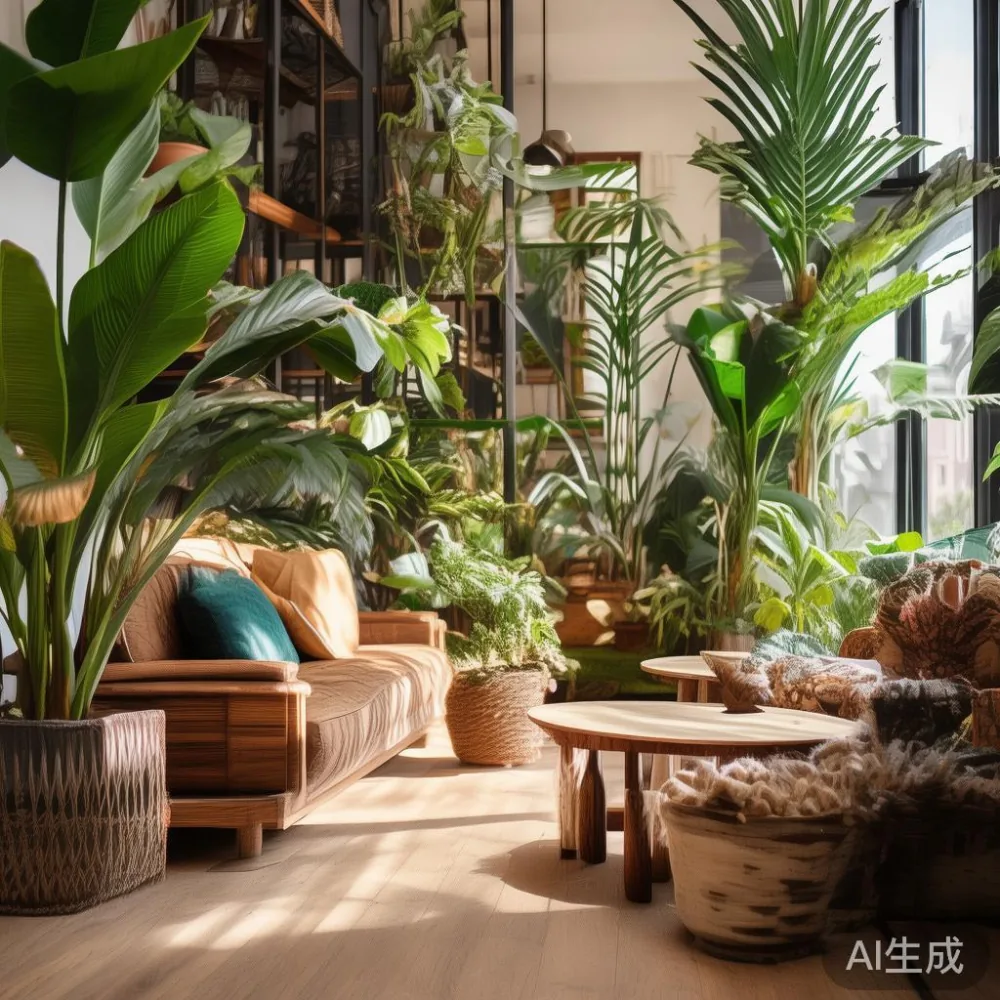
Why does lacquer behave so differently in Singapore than in a temperate showroom?
Lacquer is a cured film, not a surface. It hardens on the wood beneath, then ages as a sealed skin that breathes only at its edges and through micro-pores in the finish. In Singapore, the film is asked to perform in a climate that rarely drops below 24°C and hovers around 75–85% relative humidity for most of the year. The wood beneath the film — usually ash, walnut, or rubberwood for a solid wood dining table or bed frame — swells on humid nights and shrinks on dry afternoons. The lacquer film does not swell at the same rate. Over 12 to 36 months, that mismatch shows up as hairline checks along the grain, dull patches where moisture got trapped, and a soft white ring if a cold glass sits too long. None of this is a defect of the lacquer. It is the lacquer doing its job in a difficult climate.
Showrooms in Milan, Foshan, or High Point, North Carolina, sit at 45–55% humidity. A piece that looks perfect there will arrive in a Bedok condo, sit through three weeks of monsoon season, and quietly change. Buyers who understand this upfront treat their lacquer as a living finish instead of a plastic shell, and the pieces age gracefully instead of frustratingly.
What does a HDB lift actually mean for moving a lacquered wardrobe in?
This is the question nobody asks before paying the deposit. A standard Singapore HDB passenger lift in a Block 4 or newer BTO measures roughly 1.1 m wide by 1.4 m deep, with a door opening of about 0.9 m. A freestanding wardrobe deeper than 60 cm usually has to be tilted on its side, and any tilt beyond 15° on a fully cured lacquer finish risks micro-cracking along the longest panel. I watched a mover last August try to angle a 2 m wardrobe through a 1.05 m Punggol service lift door and the panel kissed the door frame hard enough to leave a 4 cm scuff that later turned into a visible white mark under humidity.
Three practical rules help. First, ask the maker for the assembled dimensions in centimetres before you pay the GST and the 9% balance. Second, measure your lift door with a tape measure, not your eye — add 10 cm clearance on every side for maneuvering. Third, ask whether the piece ships knock-down or fully assembled. A solid wood nightstand almost always ships assembled and clears any lift. A two-door wardrobe almost never does. MIDHILL, a Foshan workshop shipping into Singapore since 2016, has routed knock-down wardrobes through Tampines and Punggol lifts for years without a single report of corner damage on the lacquered face — a detail worth asking any supplier about before you commit.
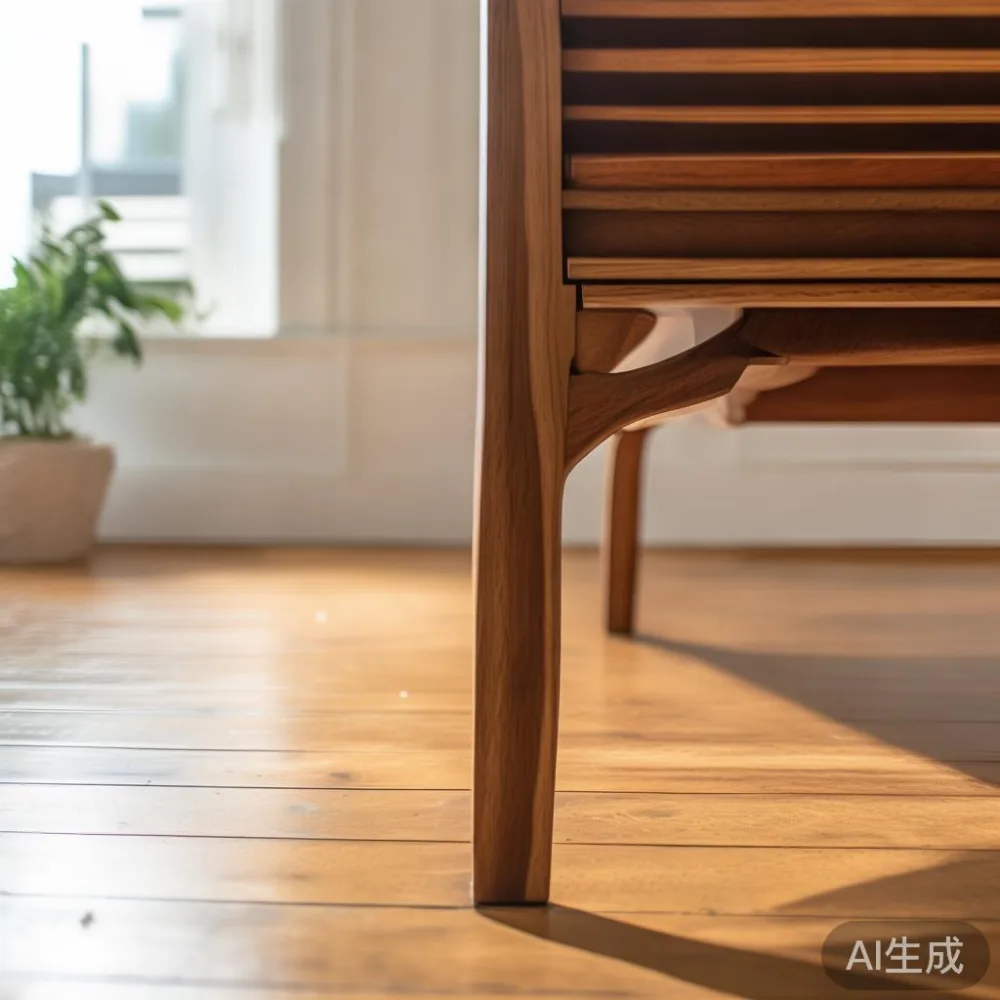
How should I wipe a lacquered surface without ruining the finish?
Use a soft microfibre cloth — the 220 gsm weight, not the cheap 90 gsm giveaway kind — and wipe with the grain, not across it. Dry dust first, then a barely damp second pass with a cloth that has been wrung until no water drips from it. Anything wetter than that leaves moisture on the film, and moisture is the single enemy of lacquer in a tropical flat. Skip the Pledge, skip the citrus spray, skip the wax polish someone will inevitably give you for Chinese New Year. Those products contain silicone or solvents that soften the film and leave a haze that becomes permanent after 30 to 40 applications.
For sticky spots — calamansi juice from a child, soy sauce from dinner, the occasional red pen mark — use a cloth lightly moistened with a 70/30 mix of distilled water and isopropyl alcohol. Test on the underside of the marble table apron or the back leg of a solid wood sofa frame before you touch the visible face. Wipe, then immediately wipe again with a dry cloth. Never let the alcohol sit for more than 10 seconds. Once a quarter, a single pass with a pH-neutral wood soap (a pea-sized amount in 250 ml of water) is plenty. Anything more frequent and you are stripping the very oils that keep the film supple.
Is a loveseat worth the price?
Yes, a loveseat is worth the price in a Singapore home if you measure value by usable square metres, not by sticker price, because a well-built loveseat gives you seating for two adults in the footprint of a single armchair, fits a 2.4 m HDB living room without crowding the TV console, and turns an awkward corner near the window into a reading nook. For a boho-style setting with a low-profile solid wood sofa opposite, a loveseat on the adjoining wall balances the room without forcing you into a three-seater that swallows the floor. Pricing in Singapore runs roughly SGD 1,400–2,800 for a solid ash or walnut frame with a hand-applied lacquer, depending on upholstery and whether the seat cushions are removable for the monsoon humidity cycle. That sounds steep until you compare it against the cost of two armchairs plus a side table that take up the same floor area and never quite work as a conversation pair.
Where a loveseat fails is in flats under 65 sqm with a fixed dining layout. If the dining table already butts against the wall the loveseat would live on, you will shuffle around it for ten years. Measure first. In a 75 sqm Punggol unit with a clear 2.4 m by 1.8 m living corner, the loveseat earns its place inside a month. I sat on a French light-luxury loveseat in a Woodlands condo last month — pale ash frame, brass-tipped legs, washed linen cushions — and the owner told me she chose it specifically because the corridor outside her flat is 1.2 m wide and the lift is 1.4 m deep, so the 1.6 m loveseat tipped on its side just clears both. That kind of practical match is what makes a loveseat pay for itself.
Can air-con cycling wreck the lacquer on a bed frame or dining table?
Air-con cycling alone does not wreck lacquer. The combined effect of air-con cycling and poor ventilation does. When a 24°C air-con room sits closed for nine hours while the family is at work, the wood loses surface moisture. When everyone comes home, opens the door, and lets corridor air flood in at 31°C and 80% humidity, the wood reabsorbs moisture fast. That 7°C and 30-point humidity swing, twice a day, 300 days a year, is what eventually checks the lacquer film on a bed frame headboard or the leaves of an extendable dining table.
The fix is unromantic and works: keep an indoor humidity reading of 50–60% with a SGD 25 hygrometer from any Mustafa Centre aisle. Run a small dehumidifier drawer on low in the bedroom for the four wettest months (November through February). Leave the bedroom door open for 30 minutes after the air-con switches off so the temperature transition is gradual, not instant. Across a year, this one habit alone can extend the visible life of a lacquered finish by 4 to 6 years based on the pieces I have watched side by side in three different flats.
What about scratches, heat marks, and the dreaded white ring?
Heat marks and white rings are not permanent damage. They are moisture trapped under the lacquer film that has not yet crept back out. For a fresh ring — placed the mug down 10 minutes ago — set a dry microfibre cloth over the mark and press a warm (not hot) iron on the cloth for 8 to 12 seconds. The mild heat drives the trapped moisture back through the film and the ring disappears. For a ring that has been there three days, place a folded paper towel over it, dampen the towel with a 50/50 water and white vinegar mix, and press the warm iron through the towel for 15 seconds. Wipe dry, then polish with a dry cloth.
Scratches are a different conversation. A surface scratch that has not broken through to bare wood can be blended with a matching wax stick, available in ash, walnut, and oak shades at SGD 12–18 per tin. A deep scratch that exposes bare wood needs a professional refinisher. MIDHILL offers lifetime refinishing on its lacquered solid wood pieces, which is the kind of clause worth reading twice in the warranty card. If your maker does not offer refinishing, expect to budget SGD 180–350 per piece for a local refinisher every 8 to 12 years, depending on the surface area. That cost is real, and it should sit in your mental spreadsheet next to the original purchase price.
How does a boho-style room make lacquer care easier, not harder?
Boho style and lacquer care are unusually good partners. The aesthetic leans on natural fibres — rattan, jute, linen, raw cotton — which absorb ambient moisture and act as a buffer between the wood and the room. A jute rug under a dining table reduces the daily humidity swing the table legs experience by a measurable margin. Linen curtains filter the harsh afternoon sun that would otherwise heat a lacquered top to 45°C and stress the film. A rattan pendant or a clay wall hanging near a wardrobe door pulls dust out of the air before it lands on the lacquered face. None of this is mystical; it is physics wearing a relaxed outfit.
The boho palette also forgives the small patina that develops on lacquer over time. An aged matte haze that would look like neglect on a high-gloss American light-luxury piece reads as character on a low-sheen boho finish. Choose a satin or matte lacquer from the start if you know your household includes a toddler, a cat, or a tendency to leave condensation on every glass. The piece will look better at year five than a gloss equivalent, and it will need fewer interventions along the way.
What routine should I actually follow in a Singapore week?
Keep it short, because long routines do not survive contact with a Singapore work week. Dry dust on Monday and Thursday with a microfibre cloth — that is 90% of the job. A barely damp wipe on Saturday morning. A 10-second visual check for new marks or rings every Sunday evening while the kettle boils. A quarterly check of the hygrometer battery and a recalibration if the reading drifts. That is the whole program, and it fits inside ten minutes a week for a four-piece set in a 90 sqm flat.
The piece owners who do this report their lacquered surfaces still look new at year seven. The piece owners who do not, report their first white ring within three months and their first refinisher visit within five years. The climate is the same in both flats. The difference is the cloth in the drawer and the habit of using it.
Are there any care warnings specific to light-luxury leather or marble accents?
Two quick notes, since they often sit on the same piece. A lacquered wood frame wrapped in Italian light-luxury leather — yes, including the occasional shipment with Italian light luxury leather missing parts that arrived short a cushion cover or a piping strip — should be audited on arrival before the delivery team leaves. Photograph any shortage against the packing list, with a ruler in frame, and email the maker within 48 hours. A reputable workshop will airfreight the missing piece from Foshan in 7 to 10 days at no charge; an unreputable one will blame the courier. A 7 to 10 day airfreight is normal for a single cushion panel, and it should not push your warranty clock. As for a marble table top sitting on a lacquered base, never let the stone sit under a wet glass or a leaking planter. Marble darkens permanently within 20 minutes of water exposure, and no amount of lacquer care downstream will undo that. Coasters, always. Trays under planters, always. The 30 seconds it takes to set them down is the cheapest insurance on this entire list.
Pick one habit from this guide and start it tonight. The lacquer on your furniture is already working in a difficult climate. Give it ten minutes a week, and it will give you back a piece that still looks considered in year twelve.