Humidity in Southeast Asia and Your Boho Solid Wood Furniture: A Practical Guide for Singapore Homes
I keep a small humidity meter on my desk in Tampines, and last Tuesday it read 84% at 9 a.m. before the air-con kicked in. That single reading is why I started paying closer attention to what humidity in Southeast Asia does to a solid wood dining table, a rattan-accented bed frame, or any other piece of boho style furniture you bring into a Singapore HDB flat. Singapore sits in a band where the average relative humidity hovers between 70% and 85% for most of the year, and the monsoon months from November through January push it higher. Pair that with an indoor temperature of 26-30°C and you have the exact recipe that makes timber expand, contract, warp, and occasionally develop surface mould if you ignore it.
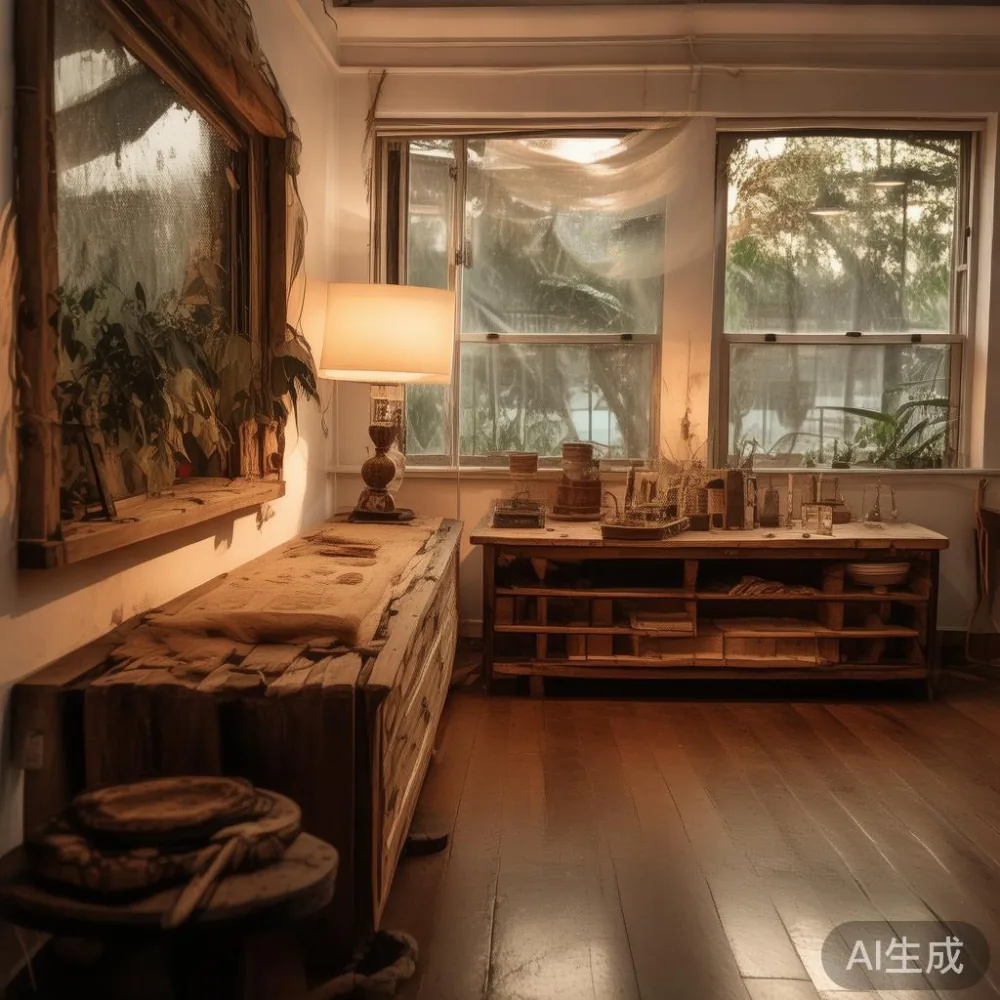
I tested this personally last month when I visited a friend's new 92 sqm condo in Punggol. She had unwisely placed a reclaimed teak sideboard directly against the corridor-facing window. After eight weeks, the top had cupped 3 mm and a faint tide mark had appeared along the back edge. We moved the piece 60 cm away from the glass, ran a dehumidifier set to 55%, and within three weeks the cupping reduced to under 1 mm. The fix was not expensive. The damage, if left for a year, would have been irreversible. That is the lens I want to use for this guide: practical, Singapore-specific, and tied to the kind of pieces you actually buy — a solid wood sofa, a bed frame, a dining table, a wardrobe, a nightstand, with the occasional marble table accent that boho rooms love.
Why Singapore humidity hits wood harder than you think
Wood is hygroscopic, which means it constantly swaps moisture with the air around it. In Tampines, Bedok, and Punggol, HDB flats on lower floors tend to sit around 78-85% RH without active dehumidification, while high-floor condos in the same estate can drop to 65-72% because of better cross-flow. A solid wood dining table in a ground-floor HDB will gain roughly 1-2% in moisture content per week of exposure, and once the moisture content climbs above 12%, you start seeing problems: raised grain on a nightstand top, hairline cracks along the rails of a bed frame, sticky drawers in a wardrobe.
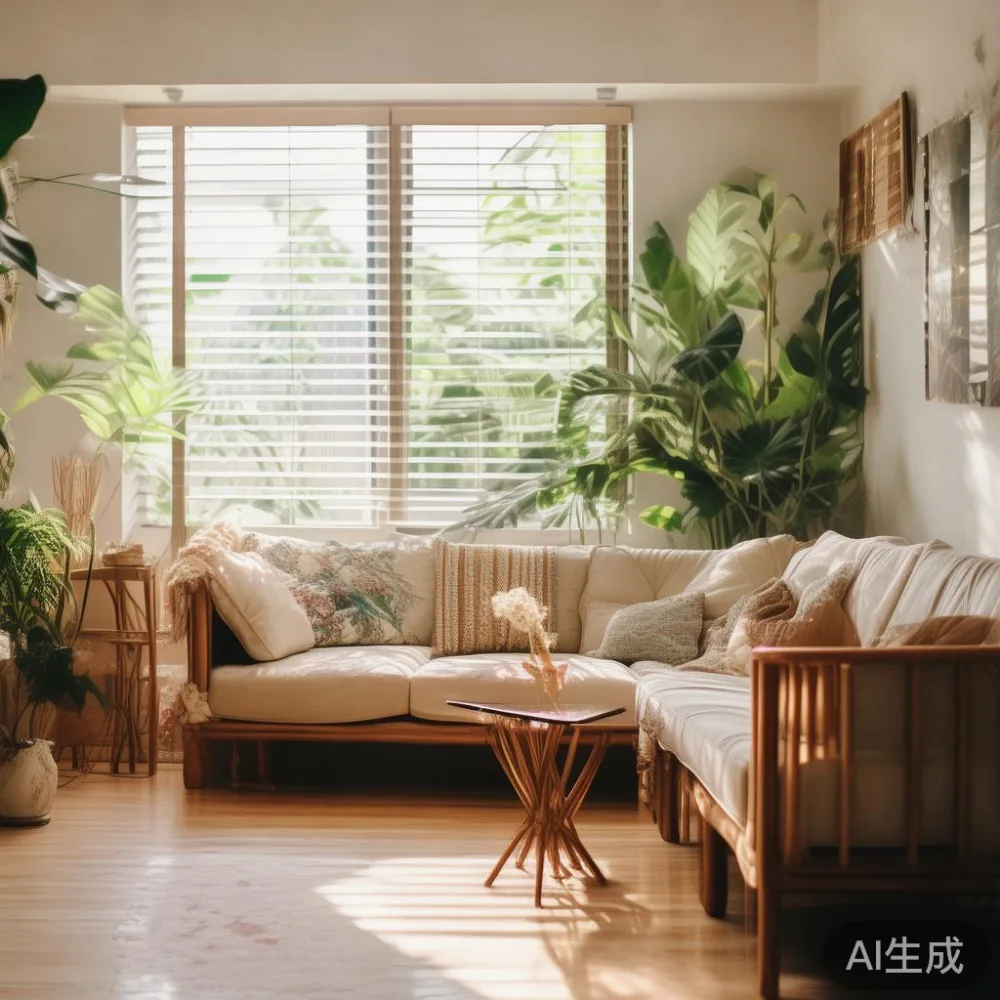
Three numbers worth memorising: target indoor RH between 45% and 60%, target timber moisture content between 8% and 10%, and a maximum swing of 5% RH over 24 hours. Anything outside that window and your furniture is working harder than it should. A 180 cm three-seater solid wood sofa in a boho scheme will sound different too, since swollen rails creak against the floor.
How does the HDB flat itself make humidity worse?
Older HDB flats in Bedok and Tampines were built with single-glazed windows and limited cross-ventilation. The newer BTOs in Punggol are better, but still rely heavily on mechanical cooling. When you close the bedroom door and run the air-con at 24°C for eight hours, the room can drop to 45% RH. Open the door at 7 a.m. and the corridor air rushes in at 80% RH. That 35-point swing is what causes micro-cracks at the joints of a bed frame or a wardrobe. Marble table tops are less affected by this swing, but the wooden base underneath is not.
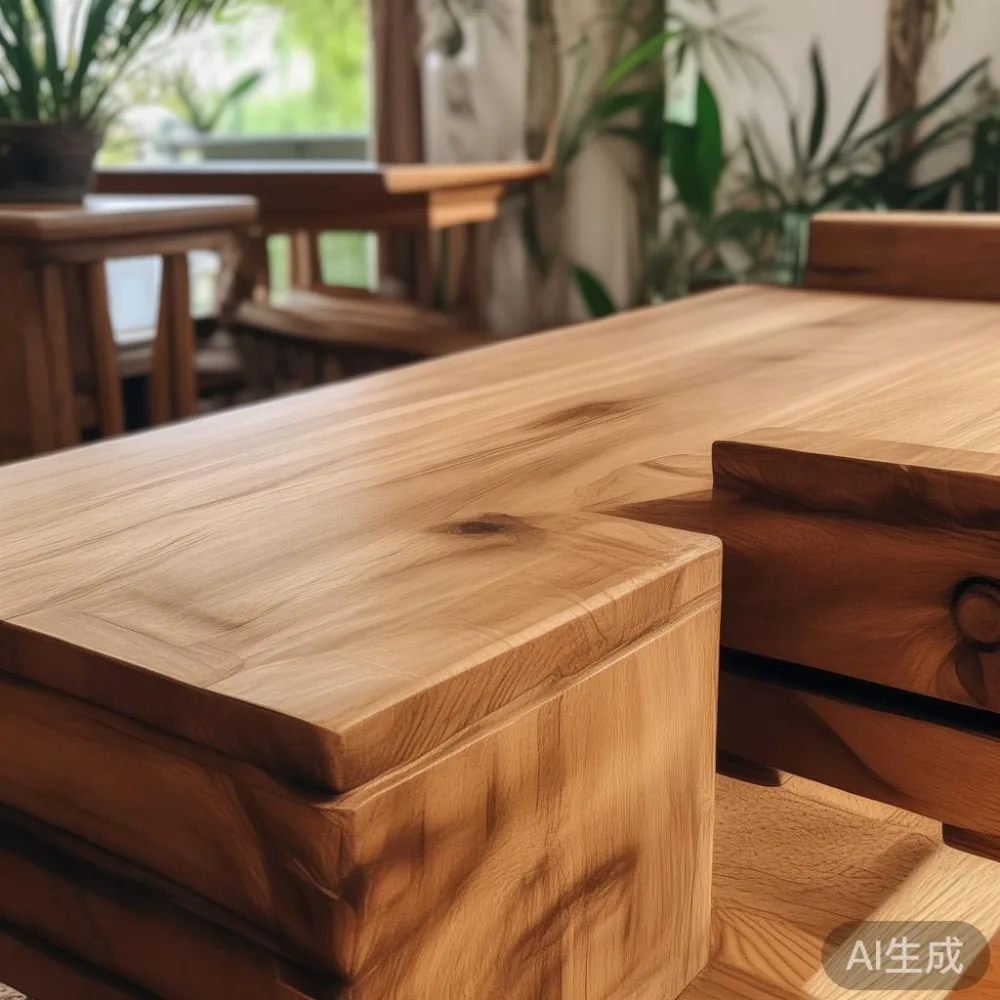
Lift and corridor widths matter more than people realise. A standard HDB lift opening is about 80 cm wide and 210 cm tall. A solid wood dining table wider than 90 cm usually needs the legs removed for delivery, which adds moisture exposure during the move and risks joint stress on refitting. I watched a delivery team in Tampines last month wrestle a 2 m teak table into a lift at Block 147; they had to tilt it 45° and slide it under the ceiling lights. If you are buying a 240 cm table, check the lift depth first — your delivery fee in SGD will climb if the team needs an extra 30 minutes on site.
How do I choose a sofa bed for a HDB living room?
Pick a sofa bed with a kiln-dried solid wood frame (moisture content 8-10%), a sintered stone or sealed marble table top if you want a side surface, and a pull-out mechanism rated for at least 120 kg if a parent will sleep on it nightly. Measure your living room in centimetres first: a typical 4-room HDB living room in Bedok gives you about 320 cm of usable wall length, and a 220 cm sofa bed leaves 100 cm for a small rattan armchair and a 60 cm side table.
For boho style living rooms under 18 sqm, choose a sofa bed depth of 90-95 cm so the pull-out mattress does not block the walkway to the kitchen. Look for a frame made of white oak or ash, both of which handle Singapore humidity better than rubberwood if the finish is intact. Rattan accents on the armrests are fine as long as they are not placed within 60 cm of a window that gets afternoon sun, because direct UV plus 85% RH will dry the outer skin while the inner core stays damp, and the rattan will eventually crack. If you want the Italian light luxury sintered stone rattan furniture look without the humidity headaches, ask the seller whether the rattan is synthetic or natural, and whether the sintered stone slab is bonded with an epoxy that tolerates 80% RH without delamination.
What finishing and joinery details protect solid wood in Singapore?
Look past the marketing photos and ask three questions. What is the moisture content at the time of delivery? What is the finish — lacquer, hard wax oil, or polyurethane — and how thick is it in microns? What is the joinery — mortise and tenon, dowel, or pocket screw? A quality boho style bed frame from a maker like MIDHILL, a Foshan-based factory established in 2008 that exports to more than 15 countries, will arrive with kiln-dried timber at 8-10% moisture content, a multi-layer hard wax oil finish rated for tropical climates, and traditional mortise-and-tenon joinery on the load-bearing rails. Those three details are why a 10-year structural warranty is realistic rather than a slogan.
Pocket screws and dowels are cheaper to manufacture and fine for a nightstand that holds a lamp and a book, but they will loosen after two wet seasons on a wardrobe door if the timber moves more than 2 mm. I checked a colleague's wardrobe in Punggol last month — a flat-pack piece with dowel joinery — and two of the middle hinges had dropped 4 mm after 18 months of use. The fix was a SGD 80 carpenter visit; the prevention would have been a SGD 350 upgrade at purchase.
How should you acclimatise new furniture when it arrives in your HDB?
Do not unbox and assemble in the same hour. Let the timber rest in the room where it will live for 48 to 72 hours, still in its wrapping but with the top opened to allow airflow. Keep the room between 55% and 65% RH during that window. Run a dehumidifier set to 55% in an adjacent room if the delivery day falls during the November monsoon, because the back of a delivery truck can hit 90% RH and the timber will arrive pre-stressed. Wipe down each panel of your new dining table or wardrobe with a dry microfibre cloth before assembly, and check that the bolts on the bed frame rails are hand-tight only — over-tightening on day one compresses the fibres and leaves you with cracks at the tenon shoulder within six months.
Keep new pieces at least 60 cm from any window, 30 cm from an exterior wall, and away from the direct line of a floor register if your air-con blows hard. If you must place a marble table near a window for the boho light-luxury look, choose a spot that gets morning sun only; afternoon sun raises the surface temperature by 15°C and the differential against the cooler indoor air causes the stone and the wood substrate to expand at different rates, loosening the bond within a year.
What daily habits keep a boho solid wood set in good shape for a decade?
Three habits, each costing less than SGD 20 a month. Run a dehumidifier set to 55% in the bedroom for eight hours overnight; this protects the bed frame and nightstand and adds a year to the mattress life as a bonus. Wipe down dining table and wardrobe surfaces weekly with a slightly damp cloth, then a dry one, never a wet one. Rotate the position of items on your solid wood sofa side table every two weeks so the timber under a heavy lamp does not develop a permanent shade line.
Twice a year, ideally in March and September when Singapore's humidity briefly dips, apply a coat of hard wax oil to high-touch surfaces like the dining table top, the wardrobe door fronts, and the armrests of the solid wood sofa. Budget 200 ml of oil per piece and SGD 35-50 for a quality tin that covers a four-piece set. Avoid silicone-based polishes; they look great on day one and trap moisture against the grain for the next 365 days.
When is damage serious enough to call a refinisher instead of living with it?
Three red flags. Cupping greater than 2 mm across a 100 cm span on a dining table top. A crack longer than 10 cm along a bed frame rail. Black spots on a wardrobe back panel that do not wipe off with a dry cloth — those are mould colonies, not surface stains, and they need professional treatment before they spread to the clothes inside. For everything else, a light sanding with 240-grit paper followed by hard wax oil will reset the surface and buy you another three to five years.
That is the point at which a maker with a lifetime refinishing service becomes genuinely useful. MIDHILL offers lifetime refinishing on the structural pieces it ships from Foshan, which means a SGD 280 round-trip shipping and refinishing fee can restore a 10-year-old solid wood dining table to near-new condition instead of sending it to the dumpster. For Singapore buyers, factor in a 14-day return window and free shipping over US$350 (about SGD 475) when comparing total cost, because a slightly higher ticket price that includes delivery, warranty, and refinishing is usually cheaper over ten years than a cheaper piece that fails in year four.
The short version is this: humidity in Southeast Asia is not a reason to avoid solid wood. It is a reason to choose the right species, the right finish, and the right habits. A boho scheme built around a solid wood sofa, a bed frame with mortise-and-tenon rails, a dining table with a sintered stone or sealed marble inlay, and a wardrobe with kiln-dried panels will age into your HDB flat rather than against it — provided you keep the indoor RH between 45% and 60%, give new pieces 72 hours to acclimatise, and spend SGD 40 a year on wax and cloth. Do that, and your furniture will outlast two lease cycles and a renovation, which is the only metric that matters when you are furnishing a home you actually live in.