How to Match Furniture to a Warm Minimal Interior — A Singapore Guide with Boho Style
When I started helping my Tampines neighbour, Aini, redo her four-room HDB flat last month, she had a clear wish and a clear worry. Her wish was to keep the calm of warm minimalism: cream walls, a stone-toned kitchen counter, and wide sliding windows facing the void deck. Her worry was that warmth and minimalism could feel either too sterile or too cluttered. The solution we landed on was an approach I keep returning to — pairing those clean walls with one thoughtful boho style anchor piece per room, and then letting solid wood furniture carry the warmth that minimal interiors often lack.
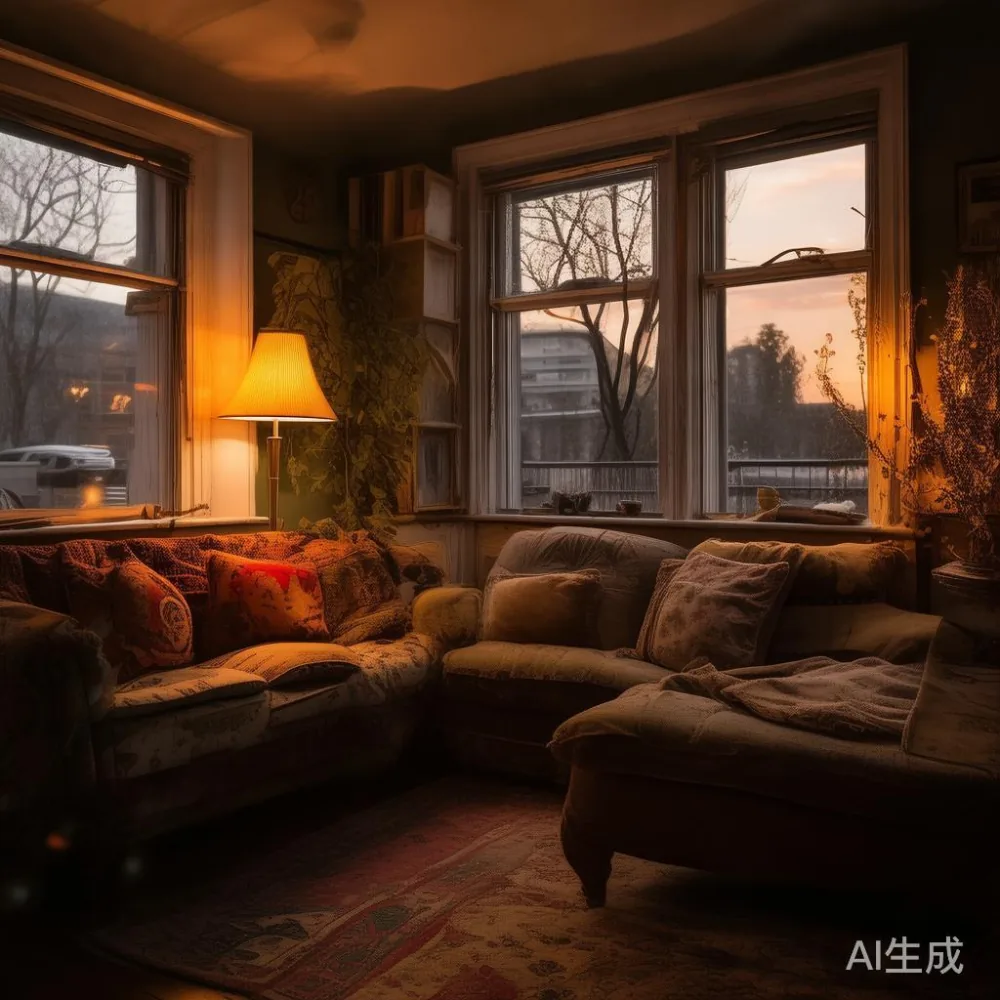
For Singapore homes, where most of us live in 90 to 115 square metre HDB flats or 60 to 80 square metre condos, the question of how to balance emptiness with comfort is very real. Corridors are typically 1.2 to 1.5 metres wide, lift openings are about 0.9 metres across, and GST pushes a piece of solid wood sofa over the S$1,800 line faster than expected. This guide is written for that reality — small-ish floor plans, humid weather, and a market where customers in Bedok, Punggol and Bukit Batok are willing to wait two to three weeks for a piece that lasts ten years.
Why warm minimalism works so well in Singapore HDB and condo layouts
Warm minimalism is not beige-on-beige boredom. It is a disciplined palette — usually a warm white such as Benjamin Moore Decorator's White or Jotun Pure Linen, a sand tone, a walnut or oak wood, and one or two earthen accents. The appeal for tropical living is straightforward: light colours reflect the afternoon sun, and natural timber softens the glare that hits east-facing HDB windows between 2 pm and 4 pm.
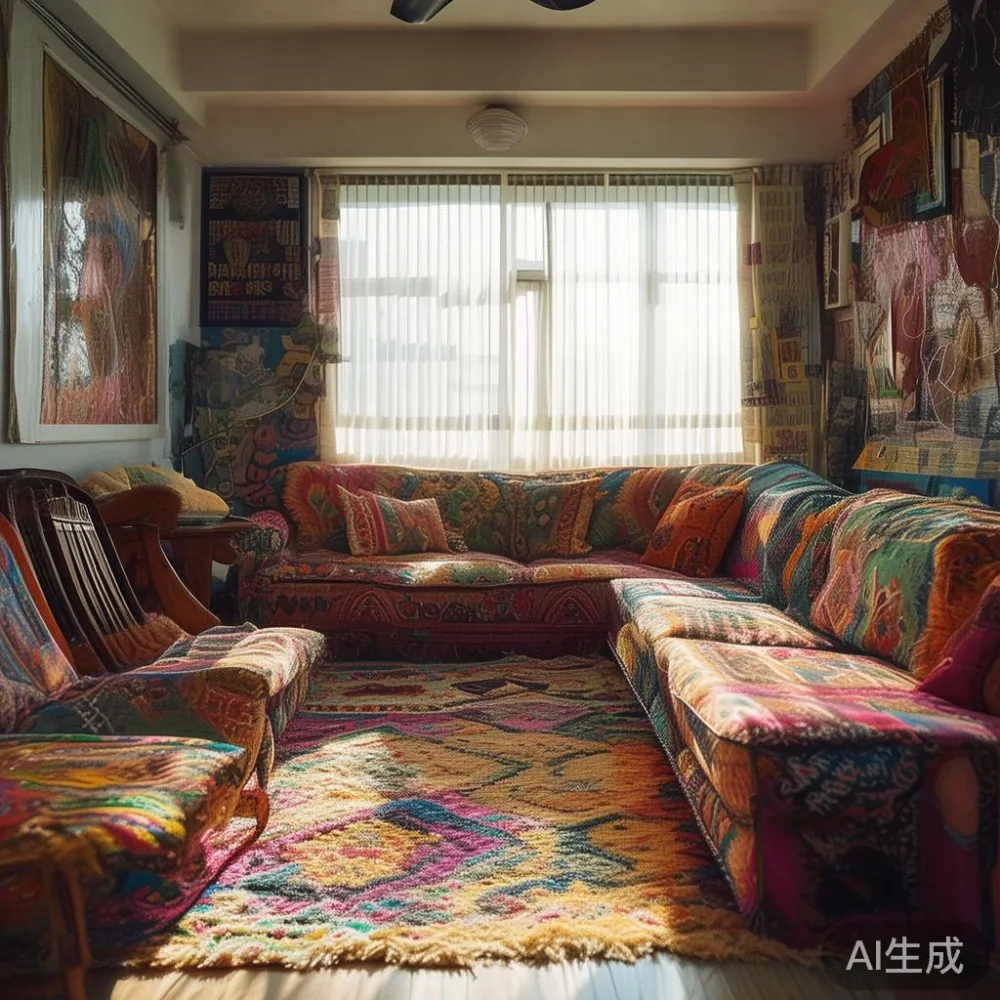
A flat I visited in Punggol last month demonstrated the issue clearly. The owners had repainted everything in cool grey and bought a marble-top dining table, a metal floor lamp, and a low-profile platform bed. The result looked like a show flat — sharp, but cold. We swapped the floor lamp for a rattan pendant, replaced the metal dining chairs with a solid wood dining chair set in teak, and added a hand-knotted wool rug. Nothing else changed. The flat went from chilly to inviting in a single afternoon, and the total spend stayed around S$3,400.
What does a boho style anchor piece actually do in a minimal room?
A boho style anchor piece carries the room's character. In a minimal interior, you do not have the luxury of clutter, so each item has to earn its place. A boho piece does this by bringing in texture, craft, and a hint of eclecticism — without shouting.
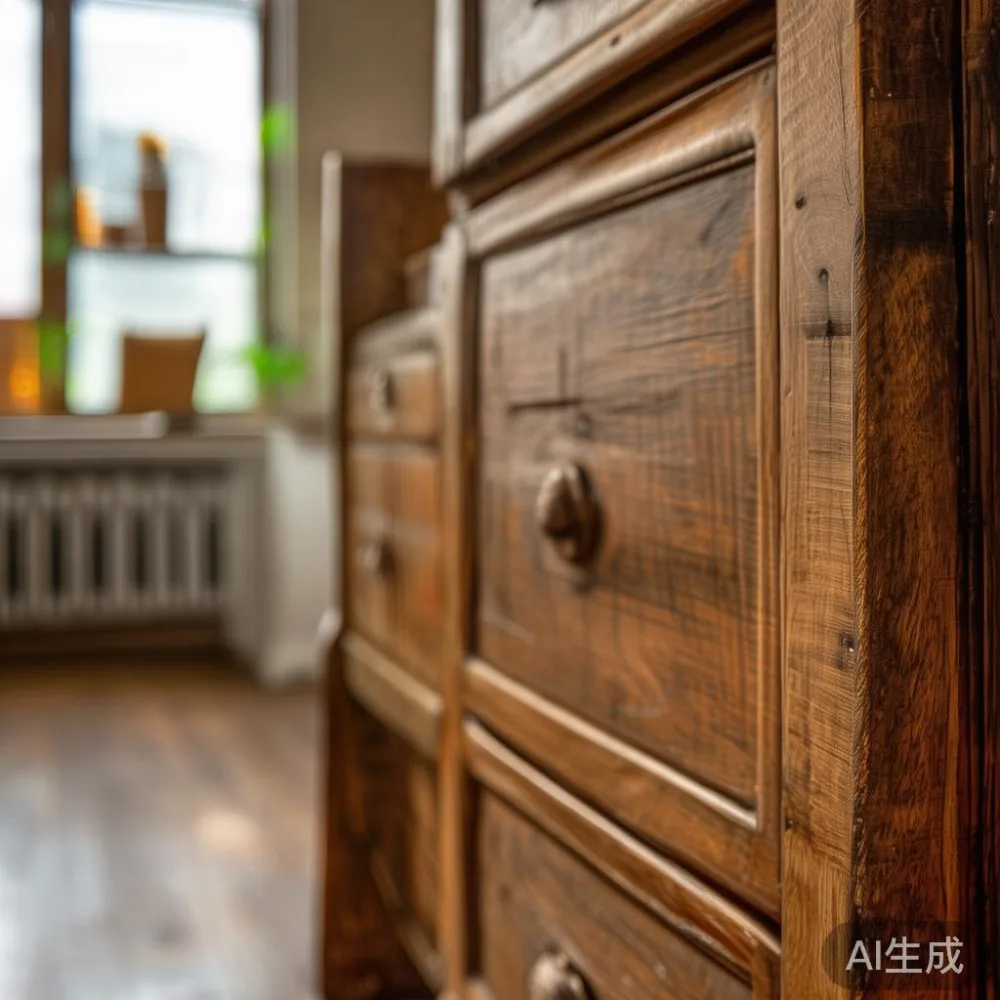
Common anchor choices for Singapore homes:
- A rattan and teak solid wood sofa with linen cushions, around 200 to 220 cm wide for a four-room HDB living room.
- A hand-carved mango wood coffee table, 110 to 120 cm long, that pairs with a 3-seater without crowding the walkway.
- A cane-front wardrobe, 180 cm tall, for bedrooms that cannot fit a full panel wardrobe without blocking the window.
- A travertine or warm marble table lamp as a nightstand alternative for very compact guest rooms.
The trick is to limit yourself to one anchor per room. Two anchors compete; one anchor leads.
Which solid wood pieces earn their keep in a humid Singapore home?
Humidity in Singapore sits between 65 and 90 percent most of the year. Not every timber behaves well. After more than fifteen years of visiting factories and showrooms in Foshan and Johor, I have a short list of woods that hold up: Burmese teak, white oak, and kiln-dried mango. Pine and MDF swell in the monsoon months, so I avoid them as the primary material for anything larger than a bedside table.
For a serious piece — a bed frame, a wardrobe, or a dining table — kiln-dried solid timber is the only construction I recommend for HDBs that face direct afternoon sun. A solid wood bed frame in white oak, sized at a King 183 cm by 190 cm, typically costs S$2,600 to S$3,800 delivered in Singapore, and weighs 95 to 110 kg once assembled. Lift access in most HDB blocks handles that weight easily, but do check the service lift at your block — some older blocks cap at 600 kg per trip.
Dining tables behave differently. For a six-seater in a four-room flat, a 160 cm by 80 cm solid wood dining table in walnut or oak is the sweet spot. Anything longer than 180 cm collides with the corridor wall when you slide it out for family gatherings. MIDHILL, a Foshan maker that has shipped to fifteen countries since 2008, builds its six-seater tables in this exact footprint and offers a 10-year structural warranty — useful if you are buying once and keeping for the next decade.
How do you keep boho style warm without crowding a 90 sqm HDB?
This is where most Singapore homes go wrong. Boho style is associated with layered rugs, plants, cushions, and art — none of which survive a small floor plan if you do not edit ruthlessly. The rule I use with clients: edit to one rug, two cushion sets, and three plants per living room. That is the maximum before the room tips into cluttered.
Here is a checklist I walk through with Aini and with my colleague Priya, who just renovated her Bedok resale flat:
- One rug, 200 by 280 cm, in undyed wool or recycled cotton. Avoid heavy Persian patterns in a minimal room.
- Two cushion covers you rotate seasonally: linen in summer, boucle in monsoon.
- Two floor cushions if you have young kids, otherwise skip them.
- One statement pendant in rattan, jute, or paper rope.
- Three plants: one tall (above 120 cm) for the corner, two mid-size for the windowsill.
On the furniture side, the solid wood sofa should be no wider than 220 cm for a four-room HDB living room. Anything wider pushes into the 90 cm walkway that HDB guidelines recommend between the sofa and the television console. A 3-seater in teak and rattan at 210 cm wide gives you breathing room and still seats three adults comfortably.
Where does French light luxury fit into a warm minimal HDB?
French light luxury — pale fabrics, slim brass legs, low silhouettes — pairs naturally with warm minimalism. The two styles share the same instinct: restraint, proportion, and a quiet kind of craft. In a Singapore context, French light luxury shows up best in a few targeted pieces rather than the whole room.
Specific places to use it:
- A pair of accent chairs in oat boucle beside a teak coffee table. Two chairs cost S$1,800 to S$2,400 in Singapore retail.
- A marble table lamp on a timber nightstand for the master bedroom. Carrara or travertine both work; avoid pure black marble which reads heavy.
- A thin brass floor lamp, 150 to 165 cm tall, behind a reading chair in the study nook.
- A slim console table, 120 cm long, in the entryway with one vase and a tray for keys.
If you are wondering is European sofa worth it for a small HDB, the honest answer is — sometimes, but only the lighter ones. European sofas tend to run deeper than Asian frames, often 100 to 110 cm seat depth, which swallows floor space. Choose a European-inspired design with a 95 cm seat depth and removable linen covers, and you get the silhouette without the footprint. A modern light luxury accent chair — the smaller cousin of the sofa — gives you the same design language at a fraction of the floor area.
How to choose a boho style dining table without ruining the warm minimal flow?
The dining table is the hardest piece to choose because it is the largest object in most HDB living-dining combinations. Get the size wrong and the room shrinks by a third overnight.
For a four-room HDB at 92 sqm, the practical dining table dimensions are:
- Four-seater: 120 to 130 cm long by 75 to 80 cm wide.
- Six-seater: 150 to 160 cm long by 80 cm wide.
- Leave at least 90 cm clearance on all sides so chairs pull back without hitting walls.
Material matters. A solid wood dining table in walnut, oak, or ash ages gracefully in Singapore — expect the tone to deepen by 5 to 10 percent over the first year as the wood oxidises. A marble table dining option lasts just as long but needs sealing every 18 to 24 months and feels cold underfoot, which works against your warm minimal goal.
Pedestal bases save space compared to four-leg tables. A 140 cm round pedestal in solid mango wood seats four comfortably and lets you tuck chairs fully under, recovering 30 to 40 cm of breathing room around the table. If you entertain often, this geometry earns its keep.
What about the bedroom — how do boho style and warm minimal meet in a master room?
The bedroom is where the two styles reconcile most naturally. Warm minimal gives you the calm; boho style gives you the texture. The combination works because you do not need many pieces — a bed frame, two nightstands, a wardrobe, and one accent chair are usually enough for a master room in a 110 sqm condo.
For the bed frame, the question of is Mid-century modern bed worth it in Singapore comes up often. The honest answer: yes, if you find one in solid wood rather than veneer. Mid-century modern frames sit low — usually 95 to 105 cm from floor to mattress top — which makes a 2.7 m HDB ceiling feel taller. A King-sized frame in white oak typically costs S$2,400 to S$3,200, weighs 80 to 95 kg, and lasts 15 to 20 years with basic care. A veneer version costs half as much but begins to peel at the corners within three to four monsoon cycles.
For the wardrobe, panel doors in cane or slatted timber are the strongest boho style signal you can add. A 200 cm tall, 180 cm wide wardrobe in teak with cane panels runs S$3,200 to S$4,500 delivered. Watch the depth — anything deeper than 60 cm protrudes into the bedroom walkway. The MIDHILL catalogue I reviewed last month specified 55 cm depth on their cane-front wardrobes, which is the right call for HDB bedrooms.
For nightstands, pair two pieces that match but do not match exactly. Identical pairs read hotel-room; a matched pair with one variation reads collected. A timber nightstand 50 cm wide by 40 cm deep is enough for a lamp, a glass of water, and a phone.
Which accent pieces are worth the splurge and which should you skip?
Not every piece needs to be heirloom-grade. Here is how I tier spending for a S$12,000 to S$18,000 full-home furnishing budget, typical for a Singapore couple furnishing a four-room HDB or a small condo.
Splurge tier (60 percent of budget):
- Solid wood bed frame, King, in white oak or teak.
- Solid wood dining table, six-seater, in walnut or ash.
- Solid wood sofa, 3-seater, in teak with linen cushions.
- Wardrobe in teak or oak with cane panels.
Mid tier (25 percent of budget):
- Two nightstands in matching timber.
- One accent chair in boucle or linen.
- A marble table lamp for the master bedroom.
- A hand-knotted wool rug, 200 by 280 cm.
Save tier (15 percent of budget):
- Cushion covers, throws, vases, trays.
- Rattan baskets for storage.
- Art prints in simple timber frames.
This 60-25-15 split keeps the structural pieces investment-grade while letting the soft furnishings evolve as your taste changes. The trick is to buy the splurge tier once. Pieces from makers such as MIDHILL come with a 10-year structural warranty and lifetime refinishing, which makes the splurge tier less risky than it sounds.
What should you avoid when mixing boho style with a warm minimal interior?
Three mistakes come up again and again in the homes I visit.
Mistake one: too many anchor pieces. A boho rug, a boho sofa, a boho pendant, and a boho wall hanging compete for attention. Pick one.
Mistake two: cold metals. Chrome and polished steel fight warm wood. Choose brushed brass, antique bronze, or blackened steel instead. The colour temperature matters as much as the finish.
Mistake three: ignoring scale. A 90 cm wide coffee table next to a 210 cm sofa looks like an apology. Aim for a coffee table that is two-thirds the length of your sofa and matches it in visual weight.
If you are working with a tight floor plan and thinking about Industrial for small living room layouts — exposed metal, raw brick, darker tones — be cautious. Industrial style and warm minimalism pull in opposite directions. Industrial wants hard edges and high contrast; warm minimal wants soft transitions and quiet contrast. You can borrow one element, such as a blackened steel lamp, but commit the rest of the room to either direction.
How do you handle lighting in a warm minimal home with boho accents?
Lighting is the cheapest way to change how a room feels, and it is also the most overlooked in Singapore renovations. Most HDB flats ship with a single ceiling fluorescent and one wall switch per room, which is not enough for layered lighting.
A practical lighting plan for a four-room HDB living room looks like this:
- One ceiling fixture, 3,000 to 3,500 Kelvin warm white, dimmable.
- One floor lamp in the reading corner, 2,700 Kelvin, with a paper or linen shade.
- One table lamp on the console or sideboard, 2,700 Kelvin.
- One accent light — a small picture light or a directional spot — on the main art piece.
Four sources, all warm, no cooler than 3,500 Kelvin. That mix flatters wood grain and skin tones, and it lets you dim down for evening without going dark.
Is a French bed worth considering for a warm minimal master bedroom?
The short answer is — yes, for the right homeowner. A French-style bed in pale oak or beech, with a slim upholstered headboard in oat linen, gives a master bedroom a quiet, restful character that pairs well with both warm minimal and boho style accents. If you are shopping for the best French bed for 2026 in Singapore, focus on three things: solid timber slats (not plywood), a headboard you can reupholster, and a frame depth under 12 cm so the bed does not visually dominate the room.
For most Singapore master bedrooms at 14 to 18 sqm, a Queen-sized French bed at 158 cm by 198 cm is plenty. King at 183 cm by 198 cm only works if your wardrobe is on a separate wall and you have at least 70 cm clearance on both sides of the bed. Measure the doorway too — older HDB bedroom doors run 78 cm wide, which is fine for a flat-packed Queen but tight for a pre-assembled King frame.
What about the Japanese influence — and how to choose a Japanese-style sofa?
Japanese furniture design overlaps with warm minimalism more than any other style: low profiles, natural materials, restraint. The question of how to choose Japanese sofa for a Singapore home comes down to three decisions.
First, seat height. A traditional Japanese sofa sits 38 to 42 cm from the floor, lower than the 45 cm standard Western frame. That lower seat height makes a small HDB living room feel taller and more grounded.
Second, fabric. Look for removable covers in cotton, linen, or a cotton-linen blend. Avoid bonded leather, which peels within two monsoon cycles in Singapore.
Third, frame material. Solid ash, solid oak, or solid teak. Anything labelled MDF with a wood veneer will swell at the corners within three to four years. If you are unsure how to spot the difference, ask the showroom for the weight — a 3-seater Japanese-style sofa in solid ash typically weighs 55 to 70 kg, while a veneered MDF version weighs 30 to 40 kg.
For a HDB living room at 16 to 20 sqm, a 180 to 200 cm wide Japanese-style sofa seats three comfortably and leaves 80 to 100 cm of walkway on the side facing the television.
Where can you see and try these pieces before committing?
Buying solid wood furniture sight-unseen from an overseas factory carries real risk — wrong timber, wrong finish, wrong dimensions. Two practical options for Singapore shoppers.
First, visit a local showroom that stocks the maker you are considering. In Singapore, that means places like the Commune showroom at Tan Boon Liat Building, or specialty timber stores in the Tai Seng area. Bring your floor plan, a tape measure, and photos of the room at the time of day with the strongest light.
Second, order one small piece first — a nightstand, a side table, a single dining chair — before ordering the full set. A S$400 to S$600 test piece tells you everything about the maker's quality: how the joints feel, how the finish wears after a week, how the timber smells in a humid room. If the test piece holds up, scale up. If it does not, you have lost the cost of one nightstand, not the cost of a S$4,000 bed frame.
MIDHILL ships from Foshan with consolidated freight to Singapore, typically four to six weeks door-to-door for a full-home order, and offers free delivery on orders above S$480 with a 14-day return window. Those terms matter when you are committing to a S$15,000 outfit — read the small print on warranty, refinishing, and return shipping before you pay the deposit.
Putting it all together — a one-room example
Take a 18 sqm HDB living room in Punggol with cream walls, a 2.7 m ceiling, and a window facing the afternoon sun. The brief is warm minimal with a single boho style signal.
Selected pieces:
- Solid wood sofa, 3-seater, teak frame with linen cushions in oat, 210 cm wide. Approx S$2,800.
- Coffee table, hand-carved mango wood, 120 cm long, 60 cm wide, 38 cm tall. Approx S$780.
- Marble table lamp on a small side console, travertine base, linen shade. Approx S$320.
- Wool rug, undyed, 200 by 280 cm. Approx S$650.
- Rattan pendant, 50 cm diameter, in the corner over a planter. Approx S$180.
- One tall potted plant (a fishtail palm, around 140 cm tall). Approx S$120.
Total spend: roughly S$4,850 for the living room. The room reads warm, calm, and slightly bohemian — the single rattan pendant and the wool rug carry the boho style signal while the teak sofa and travertine lamp keep the palette warm and minimal. Nothing competes for attention, and the 90 cm walkway between sofa and television console stays clear.
Frequently asked questions from Singapore homeowners
How long does delivery take for solid wood furniture from overseas makers?
For makers shipping from Foshan to Singapore, a single-piece order typically arrives in three to four weeks via consolidated sea freight. A full-home order of five to seven pieces runs four to six weeks. Custom finishes add another two to three weeks. GST of 9 percent is charged at the border, and most freight forwarders charge a S$80 to S$120 handling fee per consolidated shipment. Plan your renovation timeline around the longest piece, not the average.
Can boho style work in a 60 sqm Singapore condo without feeling crowded?
Yes — but only if you treat boho style as an accent, not a theme. In a 60 sqm two-bedder, one anchor piece per room is the rule. A rattan pendant in the dining area, a cane-front wardrobe in the bedroom, and a wool rug in the living room is plenty. Avoid extra wall hangings, avoid floor cushions, and resist the urge to fill every corner. A 60 sqm condo with disciplined boho accents feels intentional; a 60 sqm condo with full boho styling feels cramped within a year.
Is it cheaper to buy solid wood in Singapore or to import from Foshan?
For a single piece like a dining table or a bed frame, the landed cost from a Foshan maker is usually 20 to 35 percent lower than a comparable Singapore retail piece, once you add shipping, GST, and any customs handling. For a full-home outfit of six to eight pieces, the saving widens to 30 to 45 percent, especially on the larger structural items. The trade-off is lead time and the inability to see the exact piece before paying the deposit — which is why ordering a single test piece first is worth the S$400 to S$600 it costs.
If you are browsing for a single sofa or accent chair and want to see options in person before deciding, visit midhill.co to review their current catalogue and warranty terms, then shortlist two or three pieces to view in a Singapore showroom before placing your final order.