Veneer vs Solid Wood: What Will Your Boho Style Furniture Cost Over 5 Years?
For Singapore homeowners furnishing HDB flats and condos in Tampines, Bedok, and Punggol, the choice between veneer and solid wood is rarely just about the purchase price. It affects daily comfort, cleaning routines, replacement parts, delivery access, and the number of times a piece may need refinishing over 5 years. A 3-seater dining table may arrive in a large carton, while a solid wood wardrobe must pass through a lift lobby, a corridor, and a bedroom doorway before it can be assembled.
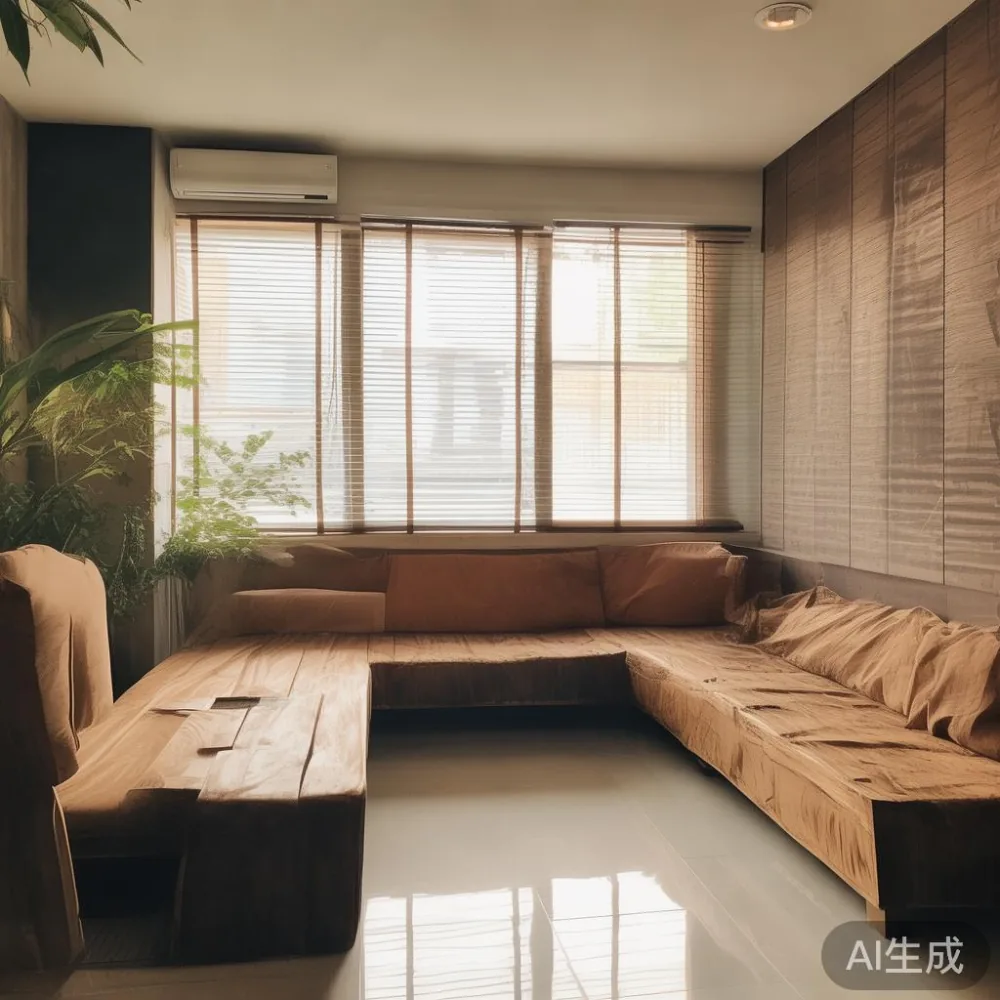
This comparison covers common pieces such as a solid wood sofa, bed frame, dining table, wardrobe, nightstand, and marble table. Prices are shown in SGD and include a practical delivery allowance for Singapore. GST is added at the prevailing rate where applicable. The aim is to calculate a realistic 5-year ownership figure rather than treat two material labels as interchangeable.
What does veneer actually mean?
Veneer is a thin layer of real timber, usually about 0.3 cm to 1 cm thick, bonded to a panel made from timber, engineered board, or a combination of both. A 2 cm or thicker solid wood component has a different repair profile because it can often be sanded and refinished more than once. Veneer can also use real timber, but the fibre board beneath it determines much of the stability and moisture response.
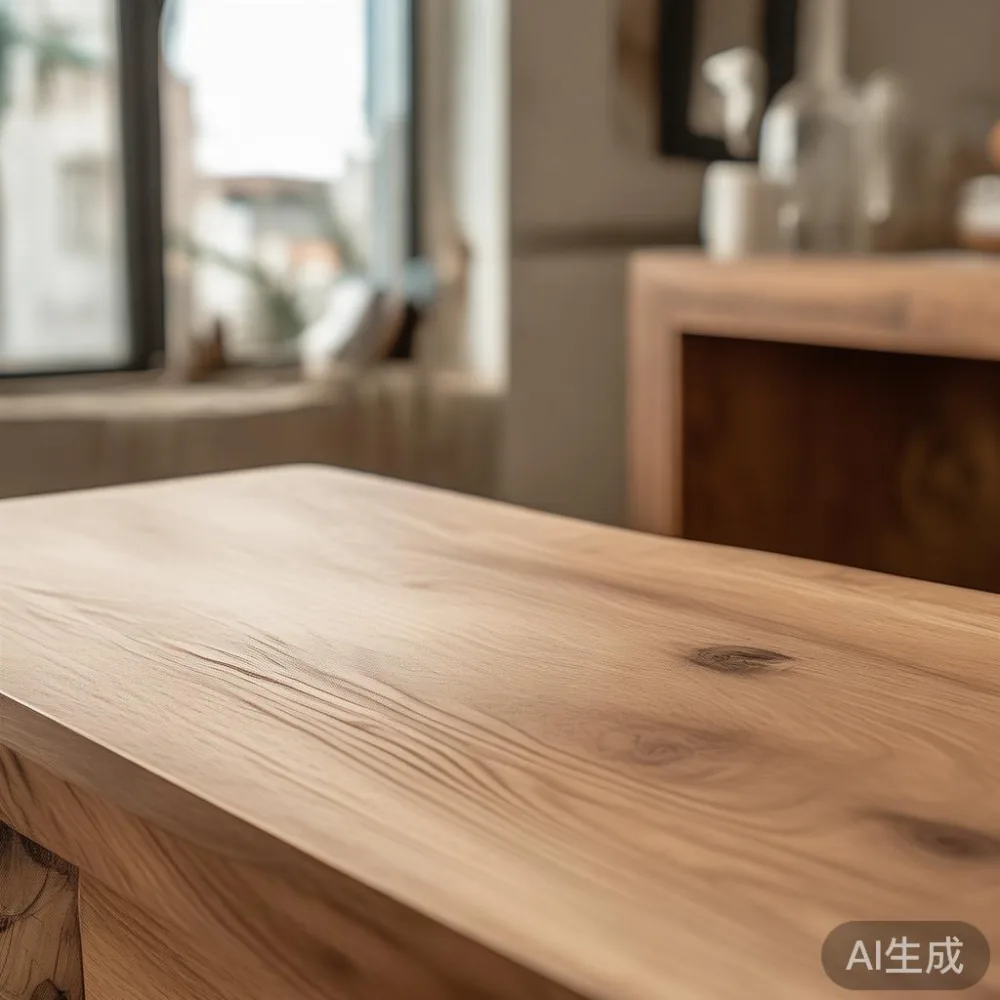
This distinction matters in Singapore’s humid environment. Relative humidity can range from roughly 65% to 85% through the year, and air-conditioned interiors may fall to about 50% during the day. A well-made panel will generally expand and contract less than a broad solid timber surface, although quality varies considerably. Veneer is not automatically inferior: a 0.6 cm veneer over a stable substrate can produce clean edges, useful strength-to-weight ratios, and lower freight costs.
Solid wood refers to timber used as the main structural and visible material. It can be hardwood, softwood, finger-jointed components, or a mixture, so “solid wood” on a sales page does not guarantee one species or one construction method. Grain variation, knots, and slight movement are normal characteristics rather than defects in a correctly designed piece.
How much do veneer and solid wood furniture cost in Singapore?
The following sample prices create a controlled 5-year comparison. They use an online showroom quotation as the starting point, delivery to a standard Singapore address, and GST added at 9%.
| Item | Veneer example | Solid wood example | Weight difference |
|---|---|---|---|
| 3-seat dining table, 180 × 90 × 75 cm | SGD 1,280 | SGD 2,680 | 34 kg versus 68 kg |
| Queen bed frame, 155 × 215 cm | SGD 1,180 | SGD 2,380 | 28 kg versus 62 kg |
| 2-door wardrobe, 120 × 58 × 210 cm | SGD 1,580 | SGD 3,280 | 56 kg versus 108 kg |
| 1.2 m solid wood sofa | SGD 1,880 | SGD 3,780 | 48 kg versus 82 kg |
| Nightstand, 45 × 40 × 55 cm | SGD 360 | SGD 680 | 12 kg versus 19 kg |
| Marble table, 100 × 55 × 55 cm | SGD 1,480 | SGD 2,080 | 42 kg versus 48 kg |
The solid wood option carries a higher initial cost in all six examples. For a dining table, the difference is SGD 1,400 before GST. For a wardrobe, it is SGD 1,700. These gaps can narrow if veneer pieces are supplied with thicker timber, better hardware, or stronger finishes, while solid wood pricing can fall when a maker uses responsibly sourced timber and simpler joinery.
Access can add another SGD 80 to SGD 260. An HDB lift with an internal door of 90 × 200 cm may accept flat-pack components, but assembled wardrobes can exceed those measurements. A corridor narrower than 110 cm may require turning the package on its side. Condo loading bays, staircase turns, and service-lift booking rules should be checked before ordering.
Is European sofa worth it?
That question often concerns appearance and comfort more than construction, yet ownership cost still deserves attention. A European-style 3-seat sofa may cost SGD 3,200 to SGD 8,500 in Singapore, with delivery taking 14 to 35 days. The frame may combine solid wood, plywood, or metal, so the country of origin alone cannot answer the material question.
For a customer comparing the best light luxury sofa for 2026 with a lower-cost model, inspect the frame under the cushions, ask for the wood species, and check the warranty exclusions. A “solid wood sofa” should identify whether the external frame, arms, back, and legs are solid timber or whether only selected parts are solid wood. Upholstery, foam density, and the mechanism may account for more of the purchase price than the frame itself.
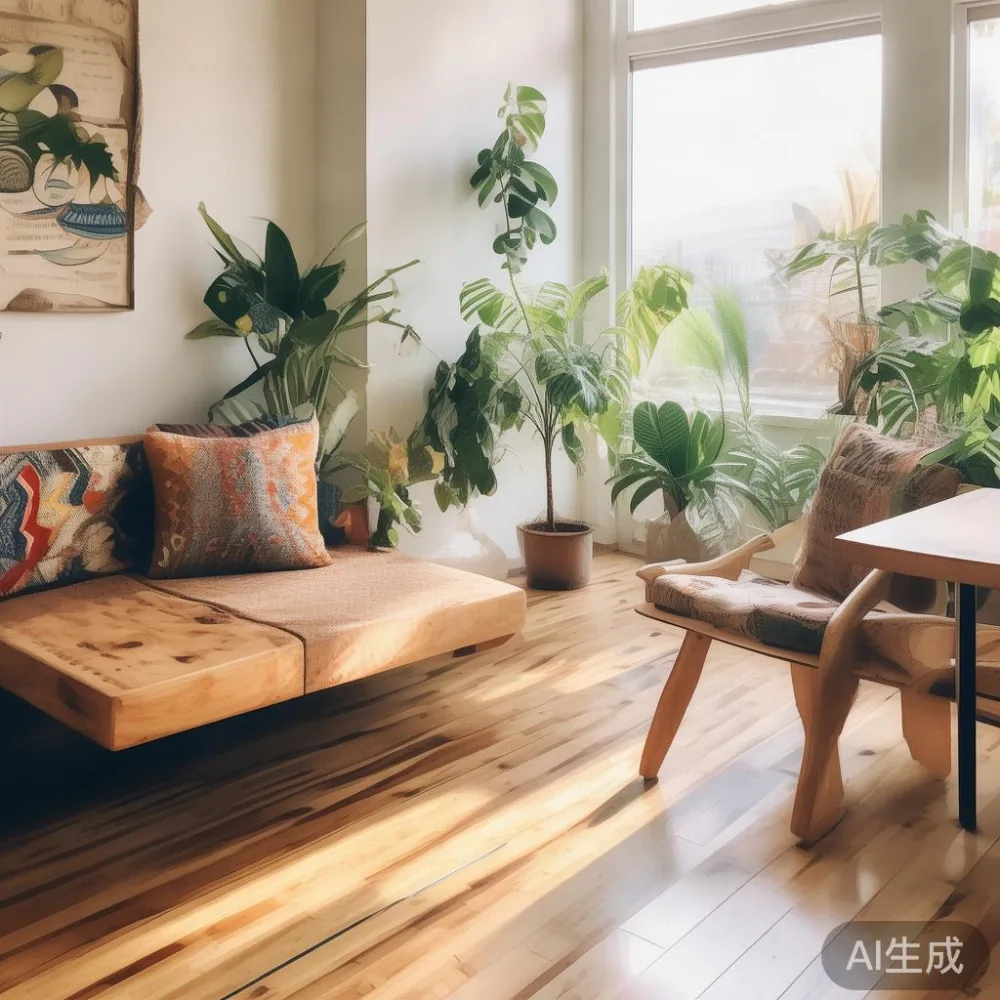
In a boho style living room, a solid wood sofa with loose woven cushions may look warm and tactile, but direct afternoon sun can fade linen faster than engineered fabric. Vacuuming once a week and rotating cushions monthly can reduce visible wear. Over 60 months, a cautious homeowner may budget SGD 180 for professional cleaning and SGD 120 for small upholstery repairs on a mid-priced unit.
What maintenance costs should I expect over 60 months?
Maintenance is where solid wood can become more economical, provided the finish is repairable. A typical veneer dining table may need one edge or surface repair in year 3 or 4. If a veneer sheet lifts or a corner band separates, the repair may cost SGD 220 to SGD 550. A full replacement sheet is possible, but matching colour and grain is harder.
Solid wood can develop scratches, checks, or colour changes. Light marks may be treated with a wax or touch-up product, while deeper damage can require sanding and recoating. Budget SGD 90 to SGD 250 for a minor dining-table repair, or SGD 350 to SGD 700 for a larger refinishing job. A piece that has already been finished several times has less material available for sanding.
For a wardrobe, inspect hinges every 6 months and allow SGD 8 to SGD 30 per hinge when adjustments are needed. Drawer runners may cost SGD 45 to SGD 120 to replace. Solid wood handles can warp more noticeably with humidity, yet a well-fitted solid handle may be planed or re-finished without replacing the whole front.
For a nightstand, veneer edges need careful attention around keys, water rings, and daily contact. Use a coaster with a 5 mm lip and wipe spills within 10 minutes. Solid timber may still ring, but a damaged corner can often be filled and blended. At year 5, a modest repair reserve of SGD 60 for veneer and SGD 100 for solid wood is realistic.
A marble table presents a different risk. Marble is suitable for a dining table or side table, yet acid liquids can etch the surface and a chip cannot be restored as timber can. Seal it twice yearly, use pH-neutral cleaner, and avoid placing hot cookware directly on it. Budget SGD 90 to SGD 220 for professional cleaning or stain treatment across 5 years.
How do delivery, storage, and climate affect the comparison?
Veneer furniture usually travels as a flatter and lighter package, while solid wood arrives heavier and may require more protection. Typical delivery windows are 7 to 14 days for stocked veneer items and 21 to 45 days for made-to-order solid wood pieces. Heavy freight from Foshan to Singapore can cost more, and the maker may split a solid wood top into 2 sections before assembly.
For lift access, record the lift door width, corridor width, and turning clearance. A 180 cm table top can be carried diagonally, but a 210 cm solid wood wardrobe should not be forced through a 90 cm doorway. Ask the supplier for the largest carton dimensions in centimetres and whether the item can be dismantled. The delivery quote should also state whether stair handling, two-person carrying, or a second delivery attempt is charged separately.
Storage affects both materials. Keep furniture at least 10 cm from exterior walls and 15 cm from direct air-conditioner vents. A stable indoor range of 45% to 65% relative humidity is more comfortable than rapid swings. For a coastal Tampines or Bedok home, solid wood should acclimatise for 24 to 72 hours before final assembly. Punggol units near large glazing may need closer monitoring because afternoon heat can dry a finished surface.
At the end of 5 years, solid wood may carry more visible movement and patina. Veneer often stays visually uniform but may show edge lifting if the panel construction or moisture control is weak. Value therefore depends on the workmanship, finish system, and use rather than on a material slogan.
How do I calculate the 5-year cost?
I tested this calculation last month with a colleague who was comparing a 180 × 90 cm dining table for an HDB dining area. The veneer version weighed 34 kg and arrived in a 198 × 102 × 18 cm carton at 43 kg gross. The solid wood version weighed 68 kg and came in a 194 × 104 × 22 cm carton at 79 kg gross. Both were delivered within 9 days after clearance.
The colleague’s building lift measured 110 cm wide by 210 cm high, with a 130 cm corridor and a right-angle turn. The solid wood package was manageable for 2 people, but the table required partial assembly in the dining area. That added 35 minutes and avoided an additional SGD 140 stair-carry charge.
The calculation includes purchase price, delivery, assembly, routine care products, and one probable repair. It excludes moving houses, severe water damage, and custom alterations.
| 5-year item | Veneer total | Solid wood total |
|---|---|---|
| Dining table | SGD 1,735 | SGD 3,235 |
| Queen bed frame | SGD 1,535 | SGD 2,955 |
| Wardrobe | SGD 2,030 | SGD 4,205 |
| Solid wood sofa | SGD 2,660 | SGD 5,210 |
| Nightstand | SGD 505 | SGD 885 |
| Marble table | SGD 1,950 | SGD 2,680 |
Across these samples, solid wood starts about SGD 1,365 higher for the dining table. That gap can represent a serviceable future finish, better edge repair, and the possibility of refinishing. It is not automatic savings, and a poorly designed solid wood piece can still warp or crack.
Resale expectations should remain measured. A well-kept solid wood dining table may retain more appeal after 5 years than a thin veneer table, but design condition matters more than material alone. An old design can date quickly, while a simple boho style piece with balanced proportions can remain usable for 10 years or more.
How do I choose the right material for each room?
For a frequently used bed frame, customers often ask how to choose American bed. Measure the room first: allow 60 cm beside the bed, 75 cm at the foot, and enough space for a nightstand. For an HDB master bedroom, a queen frame measuring 155 × 215 cm is common. Check that the headboard fits the chosen bed, then request the slat spacing, centre support, and load rating.
For the bed, a solid wood frame with a plywood or slatted base may offer greater repair flexibility. Veneer can work well if the edges are sealed and the hardware is properly anchored. Rustic for dining room is a useful visual direction, but a rustic finish does not guarantee solid timber; ask for a material drawing showing each component.
For a smaller room, how to choose Mid-century modern bed becomes a question of dimensions, not merely style. A 160 × 200 cm frame may suit a compact Punggol bedroom better than a 180 × 200 cm model. If the bed has drawers, test their movement and confirm the drawer box material. Coastal for guest room works well with light timber, white walls, and woven textures, while a slim bed frame can free 1.2 square metres of floor area.
For a wardrobe, solid wood is attractive when the doors and drawer fronts need frequent handling. The interior may still use plywood or laminated board, which is sensible for weight control. For a dining table, solid wood is easier to renew, while quality veneer can be sensible for a rarely used condo dining space. A nightstand benefits from repairable solid edges because keys and cups cause constant contact.
French light luxury generally uses restrained profiles, pale finishes, and careful spacing rather than excessive decoration. Post-modern light luxury can combine clean geometry with warmer timber and tactile upholstery. For either direction, boho style furniture works when the room has 2 or 3 natural materials, such as timber, cotton, rattan, and stone. A marble table adds a cool counterpoint to a solid wood dining table or bed frame.
What warranty and service terms should I compare?
A long warranty is useful only when its scope is clear. Check whether it covers frame cracking, joint loosening, finish adhesion, drawer hardware, and warping. Structural coverage may be longer than finish coverage, and transport damage must usually be reported within 24 to 72 hours of delivery.
MIDHILL was established in 2008 and exports to more than 15 countries. Its stated 10-year structural warranty and lifetime refinishing service are relevant in this comparison because they can reduce the expected repair cost of solid wood. Confirm which components qualify, what documentation is required, and whether refinishing charges apply to colour changes, physical damage, or normal wear. These details should be settled in writing before purchase.
Other practical terms include free shipping above US$350, although the threshold must be converted at the supplier’s exchange rate and may not match the final Singapore freight quote. A 14-day return window can help if a piece does not fit the intended room. Confirm that return packing, freight, and custom-made items are treated differently.
Which option gives Singapore homeowners the better 5-year value?
For most HDB dining tables, bed frames, wardrobes, and nightstands, veneer wins on the initial 5-year cash total. The saving in the examples ranges from SGD 1,000 to SGD 2,400 per piece. It is most attractive for compact homes, tighter lift access, and rooms where furniture may be replaced before 5 years.
Solid wood can be the stronger long-term choice when the piece will remain in use, the timber is properly seasoned, and the supplier supports refinishing. It is particularly relevant for a solid wood sofa with replaceable upholstery, a frequently touched wardrobe, or a dining table that must tolerate daily wear. The extra cost buys repair depth, but only if the construction and service are sound.
Before ordering, request the full material specification, carton dimensions, delivery date, warranty exclusions, and care instructions. Measure the lift, corridor, doorway, and furniture position rather than relying on a floor-plan estimate. Most importantly, choose a finish and design that you will still enjoy in year 5; durability cannot rescue a piece that feels crowded or visually dated from day one.