The Ultimate Guide to Buying a Sofa You Can't Try Before You Buy
Living in Singapore, especially in HDB flats and condos across areas like Tampines, Bedok, and Punggol, presents a unique set of challenges for furnishing your home. Space is often at a premium, and working through narrow corridors and lift dimensions is a practical reality. The allure of a beautiful, handcrafted piece of furniture can be strong, but the logistics of acquiring it can be daunting. This is particularly true for a sofa, the central piece of any living room that needs to be just as comfortable as it is stylish. What happens when you find the perfect sofa online, but you simply cannot sit on it before it arrives at your doorstep? This guide will walk you through the critical factors to consider, ensuring your purchase is a success, even without that all-important physical test.
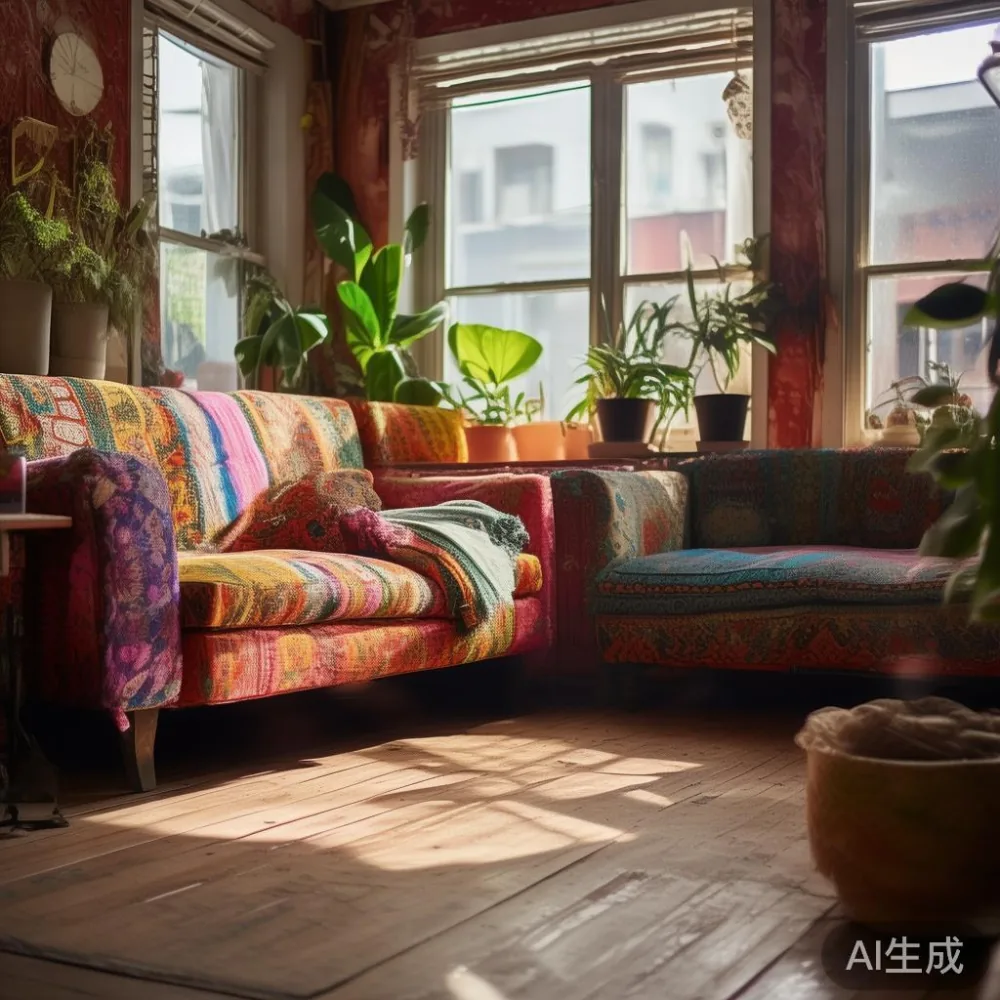
What are the key measurements to check before ordering a sofa?
The single most important step when buying a sofa you cannot physically test is to become an expert in its dimensions. This goes far beyond just the width and height. You need a comprehensive understanding of the sofa's footprint and how it will interact with your specific living space. Start by measuring the exact width of your sofa space. In a typical Singapore HDB living room, this might be between 220 cm and 280 cm. Record this number. Next, measure the depth of the area. A sofa that is too deep will protrude too far into the room, making it difficult to walk around and potentially blocking walkways. A depth of 85 cm to 100 cm is common for standard seating, but smaller spaces might require a more compact 75 cm depth. The height is also critical, especially if you have low windows or a television console above which the sofa must fit. A standard sofa height is around 85 cm from the floor to the top of the backrest.
Do not forget the measurements of the sofa itself. Ask for the exact width, depth, and height in centimeters. Ask for the height of the seat from the floor, as this affects how easy it is to sit down and get up. A seat height of 45 cm is a common benchmark. Also, inquire about the armrest height and width, as these can significantly impact the comfort and visual bulk of the piece. For those with a penchant for **light luxury for office** spaces, a sofa with lower, more streamlined armrests might be preferred. Finally, measure the doorways, hallways, and lift in your building. In many older HDB blocks, standard lift widths are around 110 cm. You need to ensure the sofa, even if angled, can fit through this space. The sofa's box dimensions, when packaged, will be larger than the sofa itself, so factor this into your planning. A delivery failure due to size is a costly and frustrating mistake.
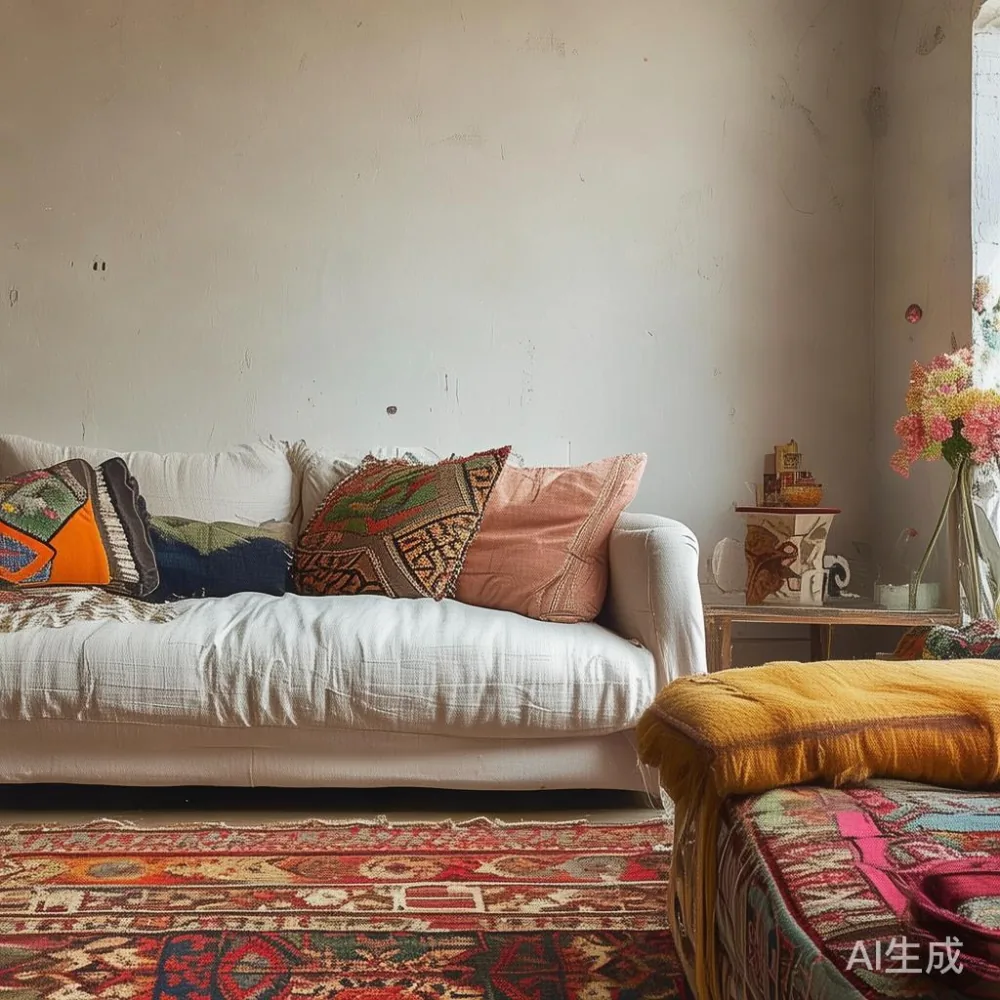
How can you judge sofa quality without sitting on it?
When you can't test the comfort, your focus must shift to the tangible indicators of quality construction and materials. A sofa is a long-term investment, and its durability is paramount. The frame is the skeleton of the sofa. Ask the retailer about the internal frame. A high-quality sofa will have a hardwood frame, such as kiln-dried oak or beech, which resists warping over time. Cheaper options might use particleboard or a combination of wood and metal, which can be less stable. A solid wood sofa frame is a sign of a well-made piece built to last. The joinery is another key indicator. Look for details like dowel joints, corner blocks, and screws, rather than just relying on staples or glue. These methods provide greater structural integrity.
The suspension system is what determines the long-term comfort and support of the cushions. There are two main types: webbing and springs. A high-end sofa will use a system of no-sag springs or a combination of sinuous springs and webbing. This provides a supportive, bouncy feel that maintains its shape over years of use. A budget sofa might use simple elastic webbing, which can sag and lose support much faster. For the cushions, ask about the filling. A high-quality sofa will use a combination of materials, such as high-density foam for support and a softer layer of down or feather for comfort. A 30% down and 70% foam mix is a common high-spec combination that offers both plushness and resilience. Pay attention to the upholstery fabric as well. A reputable manufacturer will provide detailed information about the fabric's thread count, material content (e.g., 100% linen, 80% cotton/20% polyester), and rub count (a measure of durability). A rub count of 30,000 or higher is suitable for a residential sofa.
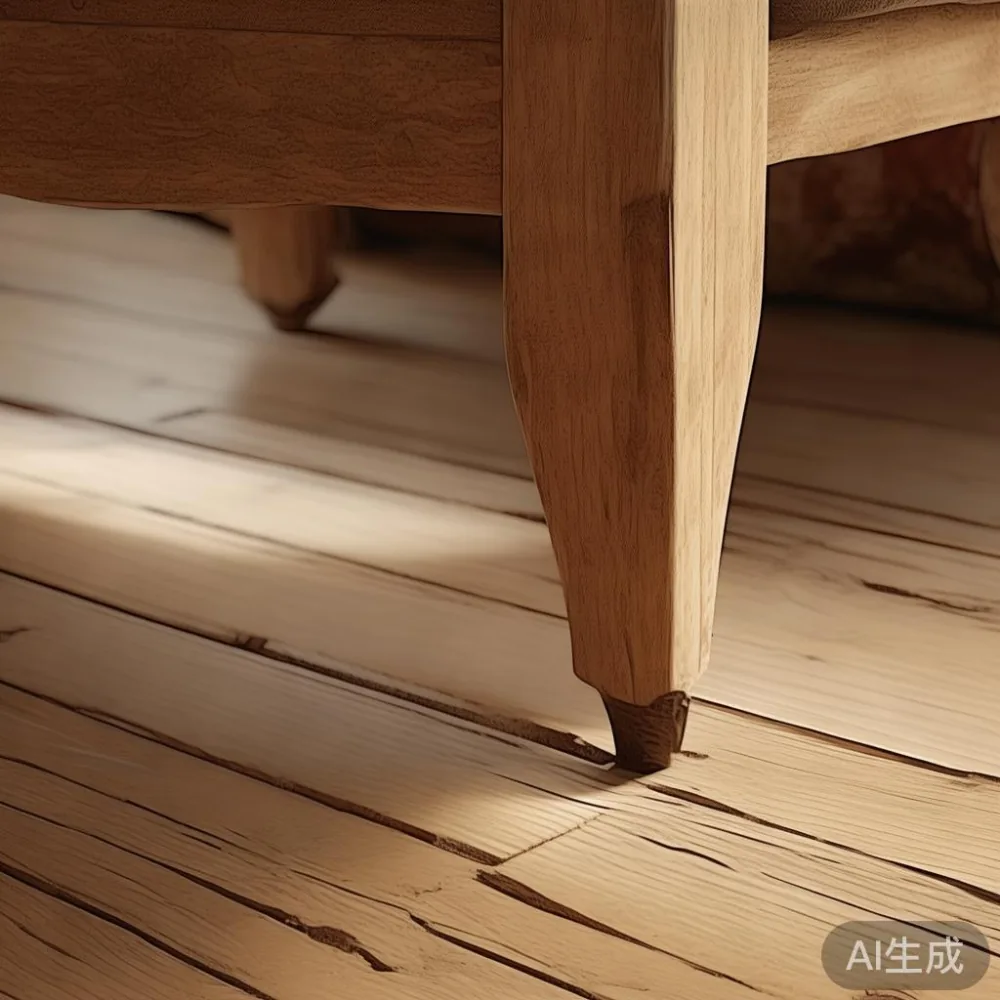
What materials should I look for in a sofa?
The choice of materials goes hand-in-hand with quality and also dictates the style and maintenance of your sofa. For a true **boho style** living room, natural, textured fabrics are the cornerstone. Think linen, cotton, and wool. These materials have an inherent organic feel, with visible weaves and slight imperfections that add character. Linen is a popular choice for its relaxed, breathable aesthetic, though it can wrinkle easily. Cotton is durable and comes in a vast array of colours and patterns, making it incredibly versatile for a bohemian look. For a touch of **post-modern light luxury**, you might consider bouclé fabric. This textured, nubby yarn creates a soft, cloud-like appearance that is both comfortable and visually interesting, embodying a softer, more approachable form of luxury.
Beyond fabric, consider the legs and base. The legs can dramatically change the sofa's personality. Solid wood legs in a dark walnut or light oak finish can add a touch of warmth and grounding. Metal legs, in brushed brass or matte black, lend a more modern, industrial edge. The height of the legs also matters. Sofas with higher legs (around 15-20 cm) create a lighter, airier feel, as more of the floor is visible. This can make a small space feel larger. For a more formal or anchored look, a sofa with a skirted base is an option. When considering materials, also think about your lifestyle. If you have children or pets, a more durable, stain-resistant fabric might be a practical choice, even if it deviates slightly from a pure **boho style**. Always ask for fabric samples. Seeing and touching the material in your own home is the next best thing to sitting on the sofa itself.
What is the right sofa style for my Singapore home?
Choosing a style is about more than just aesthetics; it's about selecting a piece that complements your home's architecture and your personal lifestyle. Singapore's HDB flats and condos often favour clean lines and functional spaces, but this doesn't mean you can't embrace a rich, eclectic style like **boho style**. The key is balance. A large, modular **boho style** sofa in a neutral linen can serve as a calm anchor, while vibrant, patterned throw pillows and a colourful rug add the characteristic bohemian flair. This approach allows for a sophisticated yet relaxed atmosphere.
If your taste leans towards a more structured elegance, you might consider a **French light luxury** aesthetic. This style often features softer lines, elegant curves, and rich, textured fabrics like velvet or chenille. A **French light luxury** sofa might have rolled arms, a deeper seat, and shorter, more delicate legs. It creates an atmosphere of understated glamour and comfort. Alternatively, an **American light luxury** style might be characterised by a more relaxed, oversized silhouette. Think deep, plush seating, wide, track arms, and a focus on ultimate comfort. It’s the kind of sofa you sink into and never want to leave. For a more minimalist approach, a **post-modern light luxury** sofa offers clean geometric shapes, neutral palettes, and innovative materials. It’s a statement of sophisticated simplicity. The right style for you is the one that reflects your personality and makes your living space a true reflection of you.
How do I ensure my new sofa will fit through my door?
This is a logistical question that can make or break your furniture purchase. A beautiful sofa that cannot enter your home is just a very large paperweight. The process begins long before delivery day. First, measure the width of your main entrance door. Then, measure the width of any internal doors the sofa will need to pass through, including the door to your living room and the bedroom if it needs to go through there. Measure the narrowest point in your hallway or corridor. In a Singapore apartment, this might be a tight turn from the entrance to the living area.
Next, measure the width of your lift. Standard residential lifts in HDBs are typically 110 cm wide, but some newer condos or landed properties may have larger lifts. You must know the exact dimensions. Armed with these measurements, you can assess the sofa's delivery dimensions. Sofas are almost never delivered fully assembled. They arrive in a box or are broken down into components like the main body, backrest, and legs. Ask the retailer for the dimensions of each piece that needs to be moved. The critical measurement is often the largest, flattest panel, as this will need to be angled through doorways and turns. A common strategy is to remove the legs and backrest to reduce the width. If you live in an older HDB with particularly narrow corridors, like some in Tampines or Bedok, don't hesitate to take photos of the tightest spots and send them to the retailer. They can advise on the feasibility of delivery. Professional delivery services are experienced in working through these challenges, but providing them with accurate information is key to a smooth process.
What should I know about delivery, returns, and warranties?
Understanding the terms of sale is just as important as understanding the product itself. Reputable brands like **MIDHILL**, established in 2008 and exporting to over 15 countries, have clear policies that provide peace of mind. Always inquire about the delivery process. How many days will it take from order to arrival? Is there an assembly service? Is there an extra charge for bringing the sofa up to your floor, or is it included in the standard delivery fee? In Singapore, with GST currently at 9%, ensure the final price you are quoted is all-inclusive to avoid any surprises.
A good return policy is your safety net. What happens if the sofa arrives and it's simply not what you expected? A 14-day return window is a standard and fair policy, allowing you to inspect the piece thoroughly in your own home. Check if there are any conditions for returns, such as the item needing to be in its original, undamaged packaging. Equally important is the warranty. A structural warranty protects you against defects in the frame, springs, and other core components. A 10-year structural warranty is a strong indicator of a manufacturer's confidence in their product. Also, ask about policies for refinishing or reupholstering over time. A lifetime refinishing offer means you can refresh the look of your solid wood sofa frame years down the line, extending its life and keeping it looking beautiful. These details ensure that your purchase is protected for the long term, allowing you to enjoy your new sofa for many years to come.
What questions should I ask a retailer before buying a sofa?
When you're communicating with a retailer, either online or in a showroom, having a list of prepared questions can help you get all the information you need to make an informed decision. Don't be afraid to ask detailed questions; a good retailer will be happy to provide answers. Here is a checklist of questions to consider:
- Can you provide the exact dimensions of the sofa in centimeters, including the height of the seat and arms?
- What is the internal frame made of? Is it solid wood or a composite material?
- What is the suspension system? (e.g., no-sag springs, sinuous springs, webbing)
- What is the cushion filling made of, and what is the foam density rating?
- What is the fabric's composition, thread count, and rub count?
- Do you offer fabric samples? Can I order them?
- What are the delivery dimensions for each piece? What is the delivery timeline to Singapore?
- What is your delivery process for HDB flats? Is lift access included?
- What is your return policy? What are the conditions for a return?
- What kind of warranty do you offer on the frame and springs?
Asking these questions helps you build a complete picture of the sofa and the company you're buying from. It moves the transaction from a simple purchase to an informed partnership. For example, knowing that a company like **MIDHILL** offers a 10-year structural warranty and lifetime refinishing gives you confidence in the product's longevity. Similarly, understanding the delivery process ensures there are no logistical hiccups on the day your new sofa is scheduled to arrive.