Boho sofas: Stylish Alternatives for Singapore Homes
In the vibrant, space-conscious world of Singaporean living, from the compact apartments of Tampines to the modern layouts of Punggol condos, choosing the right furniture is a significant decision. For many, the perfect centerpiece for a living room is a sofa that embodies a free-spirited aesthetic. But what happens when the perfect piece is in a showroom across town, or worse, in another country? You find yourself in the common predicament of buying a sofa you cannot sit on. This guide will walk you through the meticulous process of making an informed decision, ensuring your new addition not only looks the part but fits perfectly into your life and home.
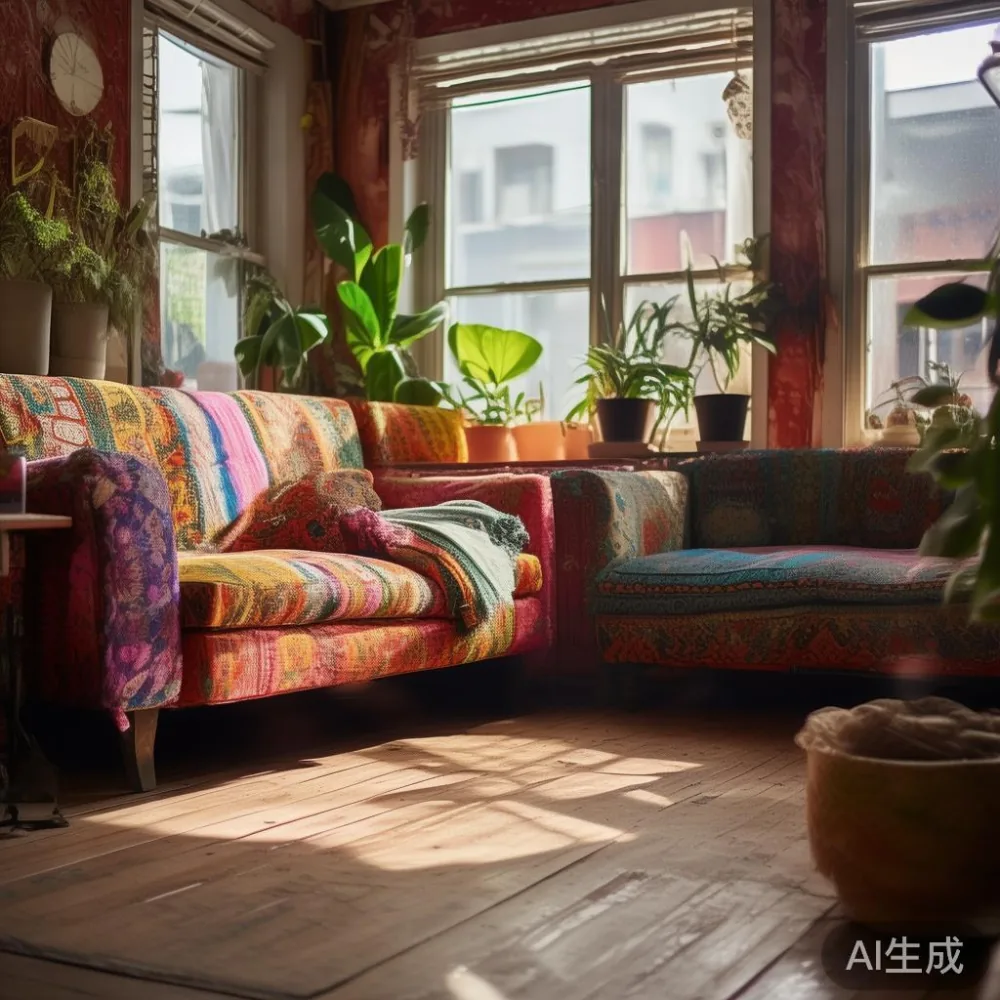
Why the Boho Style is a Perfect Fit for Singapore Living?
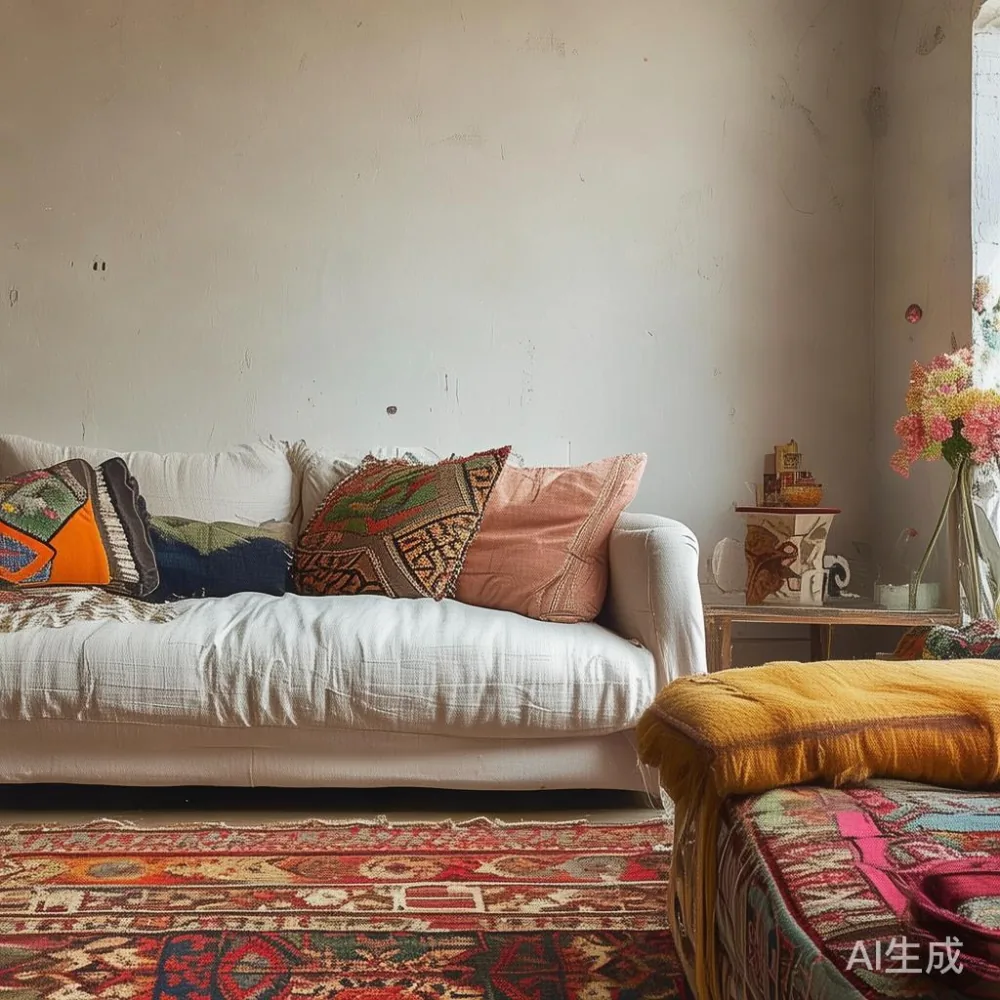
The bohemian style, with its emphasis on natural materials, layered textiles, and an eclectic mix of patterns and textures, offers a refreshing contrast to the minimalist, high-rise architecture common in Singapore. It creates a warm, inviting, and deeply personal sanctuary. A boho-style sofa, often featuring solid wood frames, plush cushions, and earthy tones, can transform a sterile HDB flat into a cozy retreat. This style celebrates imperfection and individuality, allowing homeowners in Bedok or Tampines to express their unique personality without conforming to rigid design rules. The inherent warmth of a solid wood sofa, for instance, brings a touch of nature indoors, a welcome balance to the concrete and steel of our urban environment.
What are the Key Measurements You Absolutely Must Verify?
When you cannot physically test the sofa, measurements become your most trusted ally. Overlooking even one dimension can lead to a costly mistake. Here is a checklist of the critical measurements you need to confirm before placing your order.
1. Sofa Dimensions (L x W x H): This is the most obvious but often misunderstood set of numbers. You need the exact length, width, and height of the sofa in centimeters. For example, a sofa might be 220cm long, 95cm deep, and 85cm high. This information is important for visualizing the piece in your space.
2. Doorway and Corridor Widths: This is where many Singaporeans run into trouble. Standard HDB doorways are typically 80cm wide, while condo doorways can be 90cm. A sofa with a backrest wider than this will not fit through straight. You must also measure the width of your corridor, any turns, and the lift if you live in a high-rise block. In older estates like Tampines, some corridors can be narrow, making this step even more critical.
3. Lift Size (for Condo Dwellers): If you live in a condominium, the lift is a major consideration. Most standard lifts in Singapore are approximately 110cm wide by 210cm deep. A sofa that is longer than 210cm will not fit diagonally. Always measure your lift's interior dimensions before finalizing your purchase. Forgetting this detail could mean a painful disassembly process or a failed delivery.
4. Seat Depth and Height: These measurements directly impact comfort. A seat depth of 55cm is standard, but some sofas can be as deep as 65cm, which might be too deep for shorter individuals to sit comfortably. Seat height, typically 45cm, affects how easy it is to get in and out of the sofa, which is an important consideration for elderly family members.
How Can You Assess Quality Without a Physical Test?
Quality is not something you can see in a single photograph. It’s in the details that determine a sofa's longevity and comfort. When you can't sit on it, you have to become a detective and scrutinize the product listing and specifications.
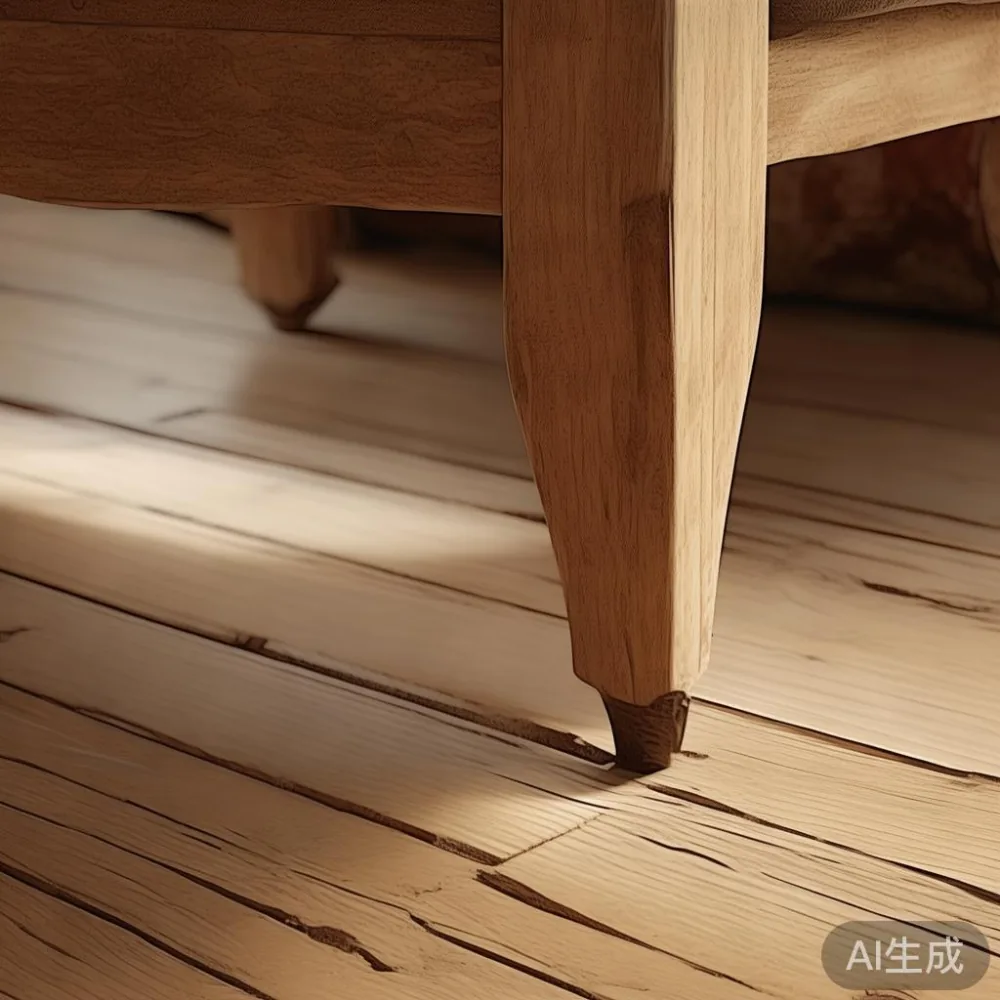
Frame Construction: The frame is the skeleton of your sofa. Look for terms like "solid wood frame" or "kiln-dried hardwood." A high-quality frame, often made from rubberwood or beech, will not warp or crack over time. Cheaper alternatives use particleboard, which can deteriorate quickly with humidity, a common issue in Singapore's climate.
Spring System: This is what provides support. A "sinuous spring" or "no-sag spring" system is a mark of a well-built sofa. These are heavy-gauge steel wires that run from the front to the back of the seat, providing even support. Avoid sofas that only use a webbing or batten system, as they offer less durability.
Fill Material: The comfort of your sofa depends on its cushions. Look for high-density foam (measured in kg/m³, with 30kg/m³ being a good standard for seats) and a mix of down and feathers for back cushions. This combination provides both support and that soft, sink-in feeling characteristic of a quality piece. Be wary of sofas that only list "polyester fiberfill," as it tends to flatten out quickly.
What are the True Costs Beyond the Price Tag?
The sticker price on a website is only part of the story. For a major purchase like a sofa, understanding the full financial commitment is key. In Singapore, this includes several factors that can add up significantly.
Delivery Fees: Always confirm the delivery cost. Many brands offer free shipping over a certain amount, such as SGD 1,500. If your order is below this threshold, a delivery fee of SGD 80 to SGD 150 might apply. Also, ask if the price includes delivery to your specific floor in an HDB flat or condo. Some companies charge extra for upper floors.
Goods and Services Tax (GST): In Singapore, GST is a standard 9%. This tax will be applied to the total cost of the sofa, including any delivery charges. A sofa listed at SGD 2,000 will actually cost you SGD 2,180 at checkout. Always factor this into your budget to avoid surprises.
Assembly and Removal:p>
Will the sofa come fully assembled, or will it require on-site assembly? If it's the latter, you may need to budget for a handyman, which can cost SGD 50 to SGD 100. Also, consider what you will do with your old sofa. Some retailers offer a removal service for an additional fee, while others leave it to you to dispose of, which can incur a charge from your town council. A sofa is a long-term investment. A comprehensive warranty and responsive after-sales service provide peace of mind and protect your investment. This is where established brands demonstrate their commitment to quality. Look for a warranty that covers the structural integrity of the sofa. A 10-year structural warranty, for example, covers defects in the frame, springs, and other foundational components. This is a strong indicator of the manufacturer's confidence in their product. Also, a lifetime refinishing warranty is a valuable bonus, as it protects the sofa's finish from wear and tear over decades. Before you buy, research the company's return policy. A 14-day return policy gives you a window to inspect the sofa upon delivery and report any issues. Check if the company has a local service center or if they coordinate with local partners in Singapore. For instance, my colleague recently had an issue with a delivery from a reputable brand, and they were able to resolve it within 48 hours by contacting their local agent, which made the entire process smooth and hassle-free. When buying a sofa online, you cannot see it in your space. This makes visualizing how it will complement your existing decor a challenge. A boho-style living room is a curated mix of textures and colors, so your new sofa must fit into that palette. Pay close attention to the material descriptions. Is the sofa's upholstery linen, cotton, or velvet? The texture will affect the feel of the room. A linen sofa has a relaxed, natural vibe, while a velvet one adds a touch of light luxury. Consider the color in relation to your walls, rugs, and other furniture like a marble table or a solid wood coffee table. A neutral-toned sofa provides a versatile backdrop, while a bold, patterned one can become the room's statement piece. Think about the sofa's shape and how it will interact with other elements. A low-slung, deep sofa encourages a casual, laid-back atmosphere, perfect for a boho space. You should also consider how it will look with your other light luxury furniture pieces, ensuring a harmonious flow throughout your home. With the rise of e-commerce, buying furniture directly from overseas manufacturers is more common. For a brand like MIDHILL, established in 2008 and exporting to 15+ countries, this is a viable model. However, it comes with its own set of considerations for the Singapore market. One of the main advantages is access to a wider range of styles, including specific aesthetics like French provincial for office settings or European sofa vs Italian light luxury sofa comparisons. You might find a piece that perfectly matches your vision but isn't available locally. However, you must be prepared for longer delivery times, which can range from 45 to 90 days, depending on the shipping schedule and customs clearance. Customer service becomes paramount. When you have a question about a product, you need a responsive team. For example, if you're wondering how to choose light luxury bed or a sofa, having direct access to specialists is a huge plus. A reliable company will provide clear communication channels and be transparent about the entire process, from order placement to final delivery. This direct-to-consumer model can sometimes offer better value, but the key is finding a trustworthy partner who understands the local context, including delivery logistics to specific addresses in Singapore and the correct application of GST. Ultimately, buying a sofa you cannot sit on requires a blend of meticulous research, clear communication, and a bit of faith. By focusing on the details—measurements, quality, cost, and support—you can confidently select a beautiful, functional piece that brings the free-spirited charm of boho style into your Singapore home for years to come.What About the Warranty and After-Sales Support?
How Do You Match the Sofa to Your Existing Boho Decor?
Is Buying Online from Overseas a Viable Option in Singapore?