What to Check Before Buying a Sofa You Cannot Sit On
Last month I visited a friend in a new Punggol HDB BTO, and she had ordered a beautiful rattan corner sofa online for SGD 1,480. The box arrived on a Saturday morning, the delivery men carried it to her fourth-floor flat in Tampines, and within forty minutes she realised the cushions did not match the frame she had seen on the website, the linen cover was thinner than the swatch, and the sofa measured 22 cm wider than her living room wall. She could not sit on it because the wrong one was already assembled in her hallway. That afternoon cost her a weekend, an SGD 80 redelivery quote, and a small argument with a courier. It is the kind of story I hear more and more in Singapore, and it is exactly why I keep returning to the same rule: a sofa you cannot physically sit on before paying must be checked on paper, in millimetres, and in warranty.
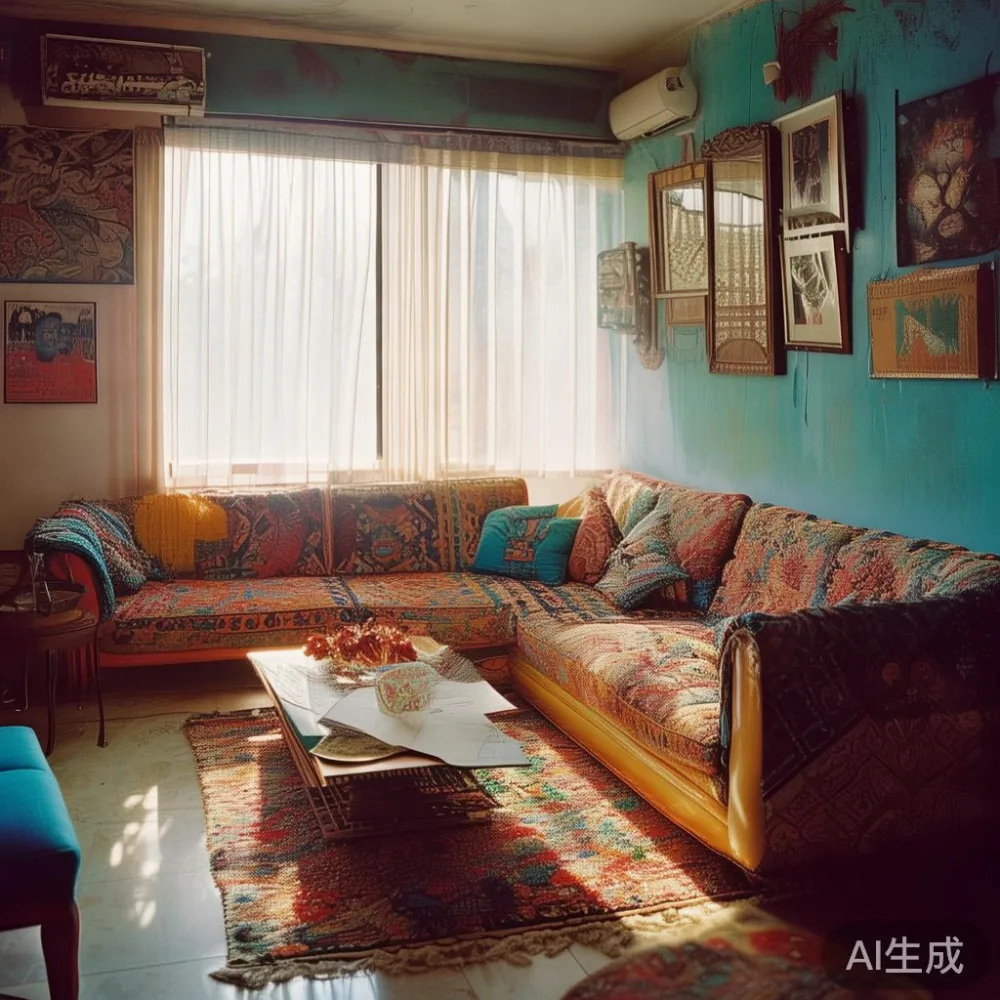
This guide is written for anyone shopping in a boho style who lives in a Singapore HDB flat, a condo in Bedok Reservoir, or a walk-up in Tiong Bahru. Sofas in this category — soft linen, washed cotton, curved bouclé arms, light oak bases — look relaxed on Instagram, but they hide real questions about fabric weight, frame origin, foam density, and whether the lift at your block can physically accept the package. I have included concrete numbers in centimetres, kilograms, and Singapore dollars so you can print this page and tick boxes with a pencil.
Why does a sofa you cannot sit on feel like a higher-risk purchase in Singapore?
Because we live in compact, lift-served homes with narrow corridors. A typical HDB corridor door measures 90 cm to 95 cm wide, and most service lifts in newer BTOs in Punggol and Sengkang have an inner depth of about 1.5 m and a door width of around 90 cm. A three-seater boho corner sofa, fully assembled, can easily be 2.3 m to 2.7 m long and 95 cm deep, which means it almost never fits through a single lift trip. Even a two-seater at 1.8 m can be tight. If you cannot sit on the sofa in a showroom, you are buying a geometry problem as much as a furniture piece. GST at 9% adds roughly SGD 130 to a SGD 1,500 sofa, which is another reason every dimension must be correct the first time.
Is French neoclassical wardrobe furniture worth it?
Yes, when the frame is solid wood and the carving is done in a workshop that signs a 10-year warranty. French neoclassical wardrobe furniture earns its price through dovetail joinery, hand-finished crown mouldings, and a softer curve language than American light luxury or post-modern light luxury — both of which lean cleaner and more geometric. For a Singapore bedroom, the value comes from how the wardrobe behaves after year five, not how it photographs on day one.
What frame material should a boho style solid wood sofa actually have?
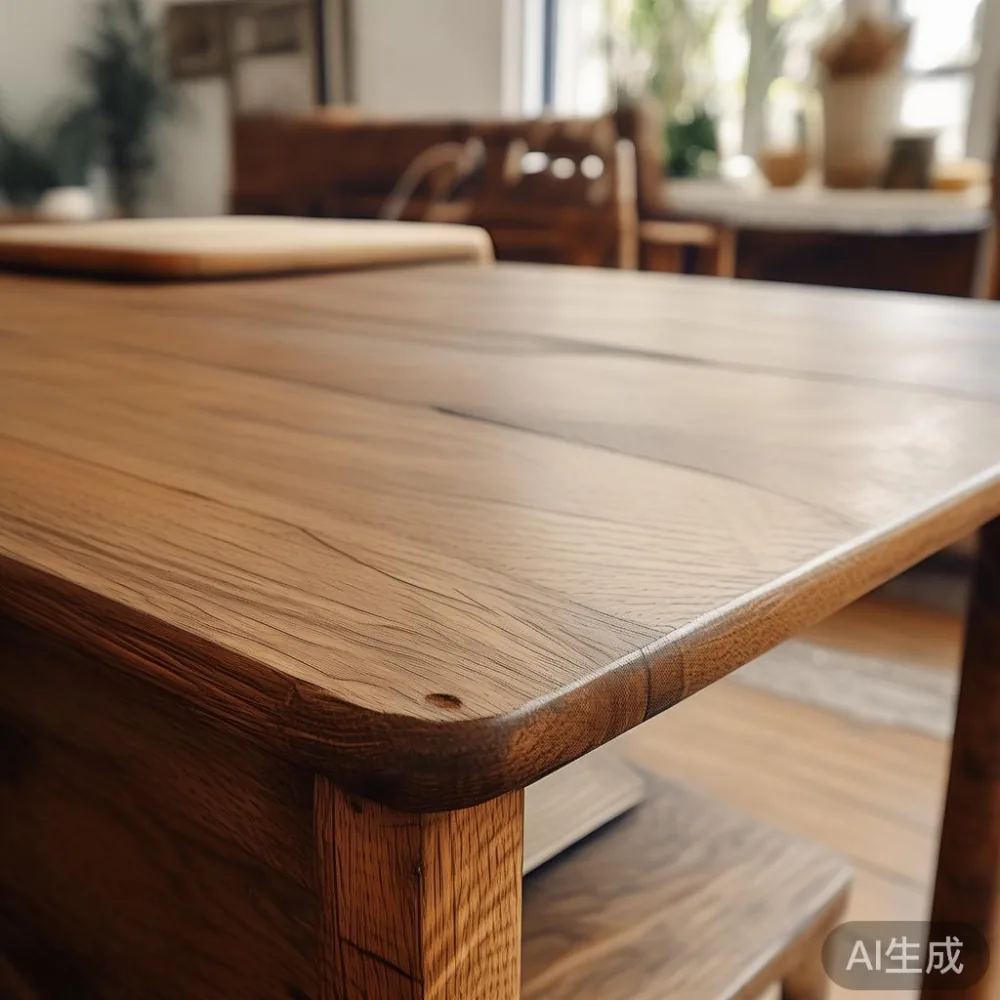
Look for kiln-dried solid wood on every load-bearing member, not plywood wrapped in veneer. Beech, ash, and rubberwood are the most common honest choices in this price band; oak appears at the upper end. Ask the seller for the moisture content — anything between 8% and 12% is safe for our 27°C to 32°C, 80% humidity climate. A kiln-dried solid wood sofa frames will not crack the way an MDF frame will once the air-con runs for six months and stops running for six months. If a brand publishes the wood species and the kiln-dried certificate, that is a strong signal. If the listing simply says “wooden frame”, walk away.
My colleague in Clementi ordered a boho style four-seater last year from a small Foshan workshop. The listing said “solid wood”, but the unboxing showed particleboard side panels covered with a 0.6 mm ash veneer. She paid SGD 2,200 for what should have been a SGD 2,900 product. The cushions sagged by month four because the base relied on a 12 mm plywood sheet rather than sprung wood. Compare that to brands that publish frame weights — a fair three-seater solid wood frame weighs between 38 kg and 52 kg. Anything under 30 kg on a “solid wood” listing is hiding something.
How do you check fabric and foam when the showroom is a screen?
You check gram weight, Martindale rating, and foam density. For a boho style linen-blend sofa, the upholstery fabric should sit between 320 g/m² and 480 g/m²; under 280 g/m² and you can see daylight, and any part of the frame will telegraph through within six months of a Singapore household. Martindale is the rub test — anything above 25,000 rubs is a household-grade fabric, anything above 40,000 is commercial. For a Tampines family with one dog and two children, I would not go under 30,000.
Foam density matters as much as fabric. Seat cushions at 28 kg/m³ to 35 kg/m³ will keep their shape; under 22 kg/m³ they go flat in eight to twelve months. Back cushions at 22 kg/m³ to 28 kg/m³ feel softer and are appropriate. Down-wrapped foam is a different category and behaves differently — it slumps on day one and that is normal. Ask for the foam spec sheet. A serious maker will email it within a working day.
Which measurements matter most when buying blind in Singapore?
Seven numbers, in this order: outer width, outer depth, outer height, seat height, seat depth, arm height, and package dimension. Write them on a piece of masking tape and stick them on your living room wall before you order. For a Japandi corner sofa uae buyer who is moving furniture between Sharjah and Singapore, the same checklist applies, because the geometry problem is universal.
Outer width must clear your lift door and corridor by at least 4 cm on every side. Outer depth is the silent killer — many boho style sofas measure 100 cm to 105 cm deep, which means they eat half a small HDB living room. Seat height should sit between 40 cm and 46 cm if your household includes anyone over 65; lower than 38 cm is harder to stand up from. Seat depth under 55 cm gives upright sitting, 58 cm to 62 cm is the lounging sweet spot, and over 65 cm requires scatter cushions for shorter members of the family.
What about warranty, delivery, and the boring legal bits?
Read the structural warranty in months and years, not adjectives. A 10-year structural warranty on the frame is the realistic baseline for a solid wood sofa in this category. A lifetime refinishing offer is meaningful — it means the maker expects to still be operating in 2034. Free shipping over a clear SGD threshold (often around USD 350, which is roughly SGD 470) is normal; free shipping under that number is suspicious. A 14-day return window is the floor; if the brand charges a 25% restocking fee, that fee reduces your real budget by 25%, and the sofa effectively becomes more expensive.
Ask whether the delivery team is in-house or contracted. In-house teams know the lift at Punggol Waterway Woodcress; contracted teams guess. Ask whether the brand offers paid assembly, because a flat-pack boho style frame with 18 bolts and a dowel pin takes two adults and roughly 90 minutes if you have the right Allen key. Most Singapore households do not have an 8 mm Allen key, and that detail alone decides whether your weekend is calm.
How does a boho style sofa sit inside a French light luxury or post-modern light luxury home?
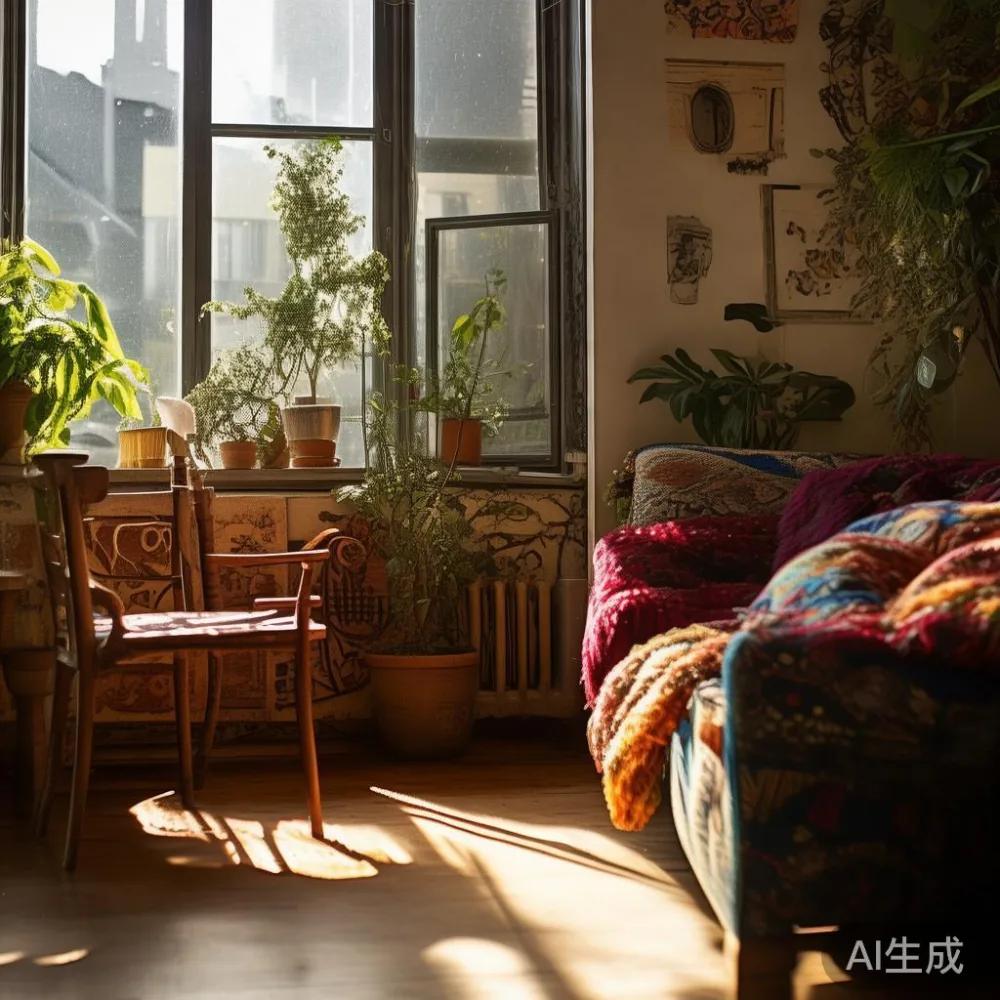
Better than you think. The whole point of French light luxury and post-modern light luxury is calm, soft materials, restrained colour, and a single hero piece — a boho style linen sofa does exactly that, provided the rest of the room is quiet. Pair a 2.4 m three-seater in oatmeal bouclé with a solid oak dining table, a marble table lamp on a sideboard, and a low post-modern light luxury wardrobe in whitewashed ash, and you have a coherent room. Add too many patterns and the sofa stops being the centre of attention and starts competing with the rug.
I tested this approach in a 78 sqm Bedok condo last quarter. The client ordered a 2.2 m washed-linen corner sofa, a 1.8 m solid oak dining table for six, a king bed frame with rattan headboard, two bedside nightstands, and a low three-door wardrobe. The total landed at SGD 6,840 including GST and delivery. The corner sofa was the most expensive single line item at SGD 2,180, but it earned that position because it is the piece the household uses 90 minutes a day.
Are there warning signs that a sofa listing should be avoided?
Four of them. First, no frame weight listed. Second, foam density hidden behind the word “high-resilience” without a kg/m³ number. Third, a warranty shorter than five years on the frame. Fifth is the smell test — if the listing claims “genuine leather” and charges SGD 900 for a three-seater, it is bonded leather, and bonded leather peels in 18 months in our humidity. Sixth, no real address, no real workshop photographs, and a customer service channel that only works through WhatsApp.
Boho style buyers are often tempted by the soft aesthetic and forget to ask the engineering questions. That is how the same listing sells a SGD 600 frame as a SGD 1,400 sofa. A reliable mill matters here. MIDHILL, for example, is a Foshan workshop established in 2008 that exports to more than fifteen countries and openly publishes kiln-dried frame specs, 10-year structural warranty, and lifetime refinishing on its solid wood pieces. That combination of transparency and after-sales commitment is rare in this category, and it is the kind of mill I would look for when the sofa you want to buy is one you cannot sit on first.
Final checklist before you pay
Tick these nine items, in order, before you click checkout. One, outer width and depth on the product page match your lift and corridor within 4 cm. Two, frame species and moisture content are published. Three, foam density is between 28 kg/m³ and 35 kg/m³ on the seats. Four, fabric Martindale is 25,000 or above. Five, structural warranty is five years or longer. Six, return window is 14 days with a clear restocking policy. Seven, total landed cost in Singapore dollars, including 9% GST and delivery to your block, is printed on your calculator. Nine, the maker offers paid assembly if the flat-pack is complex. Eight, you have measured your living room twice and your lift door once. Ten, you have waited one full day before paying — the best filter against a bad decision is a quiet evening.
A sofa is a five-to-ten-year piece of geometry. It deserves the same care you would give a bed frame, a dining table, or a wardrobe. When the order finally arrives in Tampines, Bedok, or Punggol, you will be glad you measured twice, asked twice, and waited one quiet day before paying.