The Humidity Tango: How Southeast Asia's Climate Affects Your Solid Wood Furniture
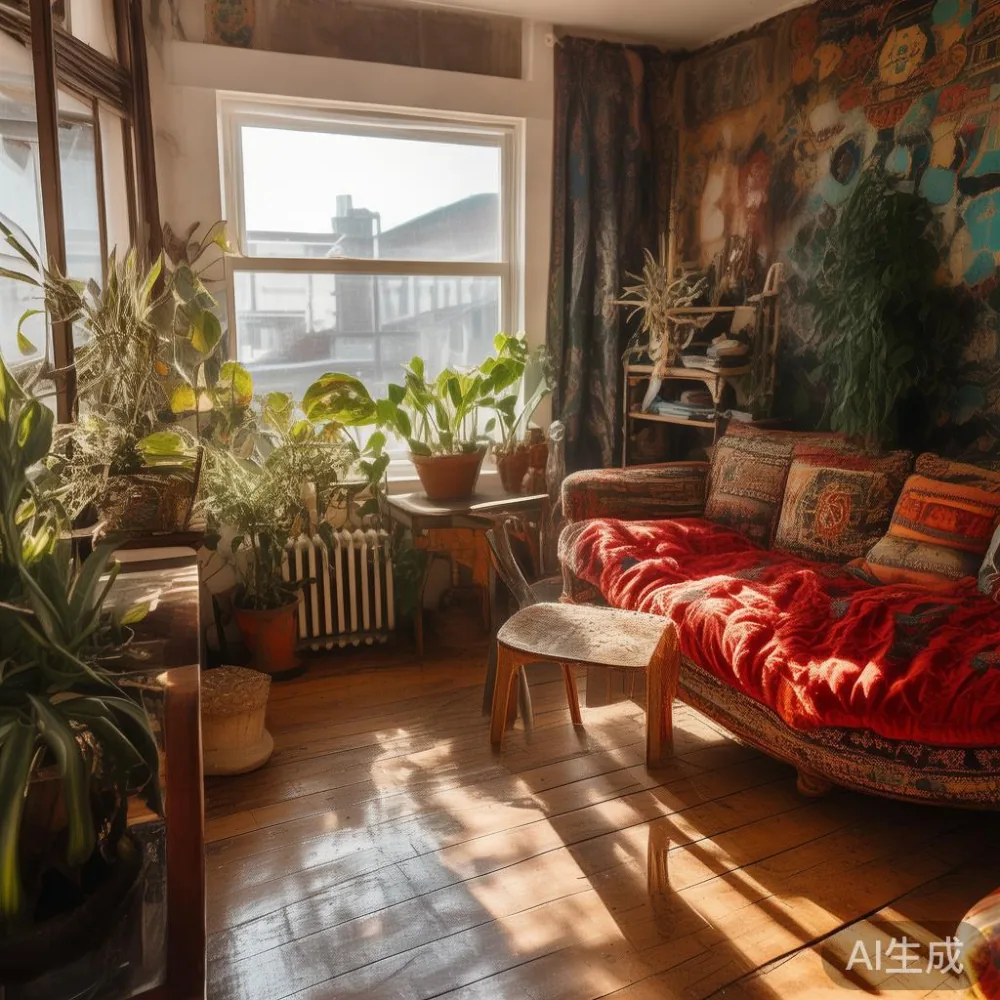
For those of us living in Singapore's HDB flats and condominiums, from the corridors of Tampines to the modern layouts of Punggol, our homes are more than just shelter. They are personal sanctuaries, filled with pieces that tell a story. In a city where the average relative humidity hovers around 80%, our furniture—especially solid wood pieces—endures a daily dance with moisture. This constant exposure can lead to warping, cracking, and a loss of lustre if not properly understood and managed. The unique boho style, with its emphasis on natural materials and artisanal finishes, is particularly sensitive to these environmental shifts. This article explores the science behind wood and humidity, offers practical advice for Singaporean homeowners, and highlights how thoughtful craftsmanship can ensure your furniture remains beautiful for decades.
Why Does Wood React to Humidity in Singapore?
At its core, wood is a hygroscopic material. This scientific term simply means it absorbs and releases moisture from the air. In a place like Singapore, where the air is thick with humidity, wood absorbs this moisture, causing its fibres to swell. Conversely, during drier periods or in air-conditioned rooms, the wood releases moisture and contracts. This natural cycle of expansion and contraction is the root cause of many furniture problems.
Consider a solid wood dining table, a centrepiece of many Singaporean homes. When humidity is high, the table's surface can expand. If it's a large table, say 180 cm long, this expansion might cause the centre boards to push against each other, resulting in unsightly gaps closing or, in severe cases, the top bowing or cracking. The reverse happens when the air conditioning is cranked up to 22°C in the living room. The wood contracts, and those same gaps can widen, revealing the bare wood beneath the finish. This movement is a natural characteristic of solid wood, not a defect, but it can be managed with the right knowledge and materials.
The climate in Singapore, with its high temperatures and humidity, presents a unique challenge. Unlike the more temperate climates of Europe or North America, where humidity levels fluctuate dramatically between seasons, our environment is consistently damp. This constant state of high moisture means wood is almost always in a state of expansion. For furniture, particularly items like a solid wood bed frame or a wardrobe, this can place stress on joints and finishes over many years.
How to Choose French Wardrobe for Singapore's Humid Climate?
The question of how to choose French wardrobe for a humid climate like Singapore's is one of material and construction. A wardrobe, being a large, enclosed piece of furniture, is particularly vulnerable. The interior of a wardrobe can become a microclimate, with trapped moisture leading to a musty smell or even damage to clothing. When selecting a wardrobe, look for those made from hardwoods known for their stability. Woods like mango wood, acacia, and sheesham are excellent choices as they are dense and less prone to dramatic movement.
Construction is equally important. A well-made wardrobe will feature a 'floating' panel design for the back and doors. This means the panels are not glued into a groove that runs all the way around, allowing them to expand and contract freely without cracking. The joinery, such as dovetail or mortise-and-tenon joints, should be solid and designed to accommodate the natural movement of the wood. For those drawn to a more aesthetic light luxury, a European light luxury wardrobe with a high-quality, moisture-resistant lacquer finish can offer both beauty and durability. The finish acts as a barrier, slowing down the rate at which moisture enters and exits the wood.
My colleague, Sarah, recently purchased a new wardrobe for her master bedroom in a Bedok HDB flat. She was concerned about the 85% humidity levels. She chose a wardrobe with a five-layer PU finish, which provides a superior protective seal. After 6 months, she reported that the doors still close smoothly and there are no signs of warping, a proof of the importance of a good finish. The investment of SGD 2,800 for a piece that will last a lifetime is a wise one, especially when considering the GST of 9% is already factored into the price.
Protecting Your Solid Wood Sofa and Bed Frame
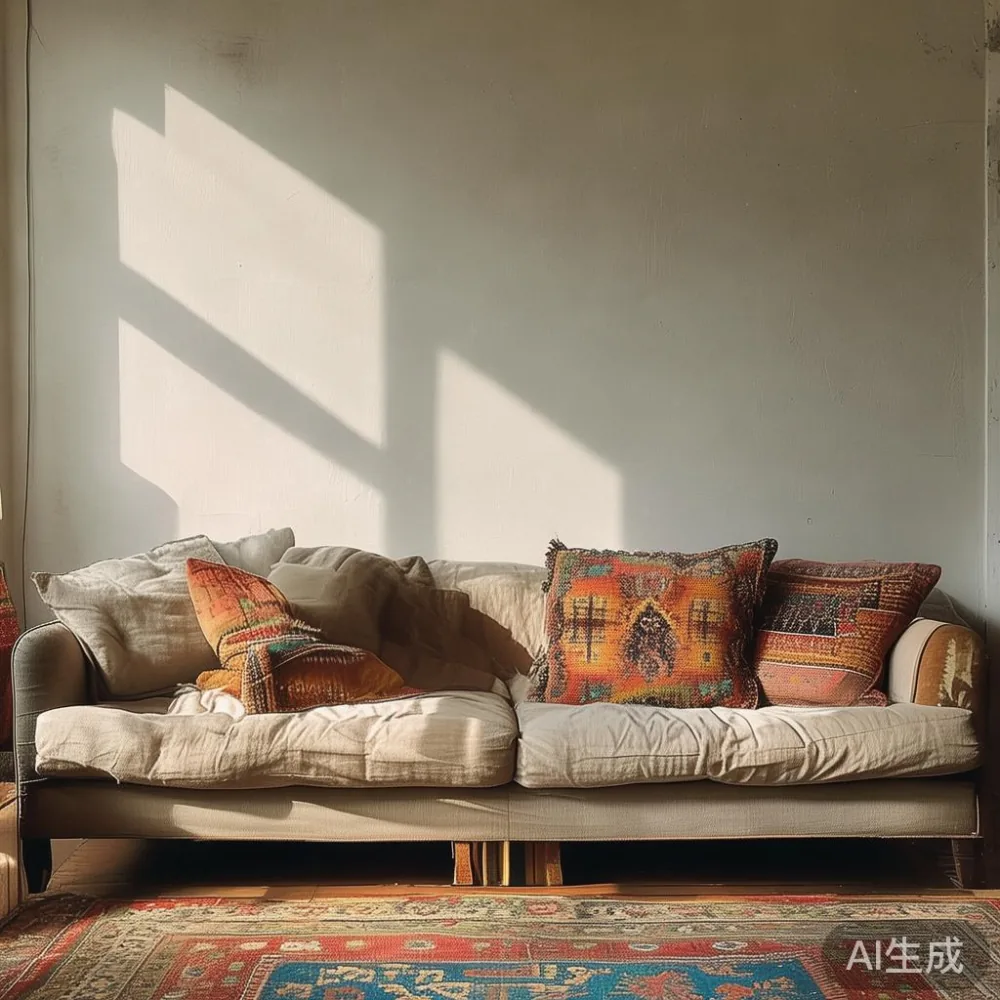
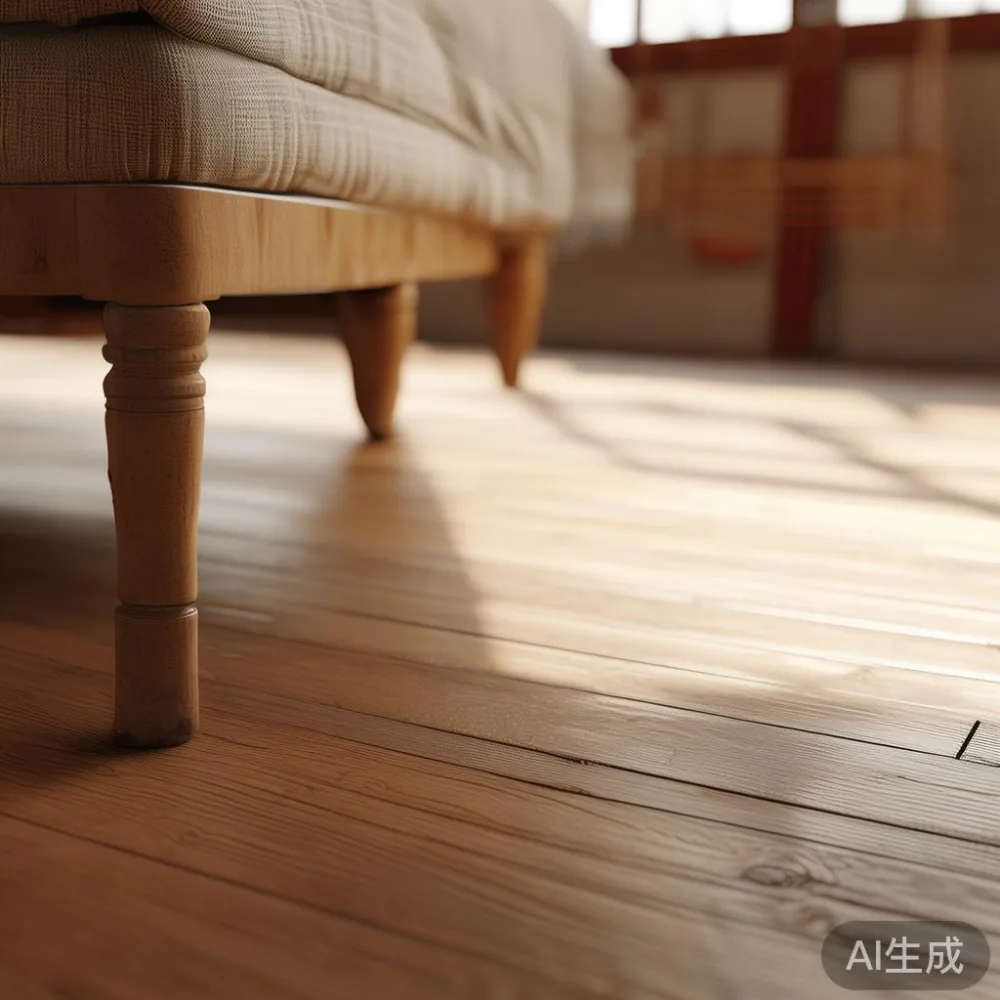
Your sofa and bed frame are significant investments and are constantly exposed to the home's environment. A solid wood sofa, for instance, is not just for seating; it's a statement piece. For a boho-style interior, a sofa with a low profile, natural wood legs, and plush, earthy fabrics is a popular choice. To protect it, ensure it is placed away from direct sources of moisture, such as an open window during a thunderstorm or an air conditioner unit that drips.
For bed frames, the issue is often the bed base itself. A solid wood slatted base can absorb moisture from the humid air and the mattress, potentially leading to sagging or mould over time. A good solution is to use a bed base with a layer of moisture-resistant material or to ensure the slats are well-spaced to allow for air circulation. A European bed vs Nordic bed might come down to this consideration; some Nordic designs use slats that are more spaced out, promoting airflow which is beneficial in a humid climate.
Placement is key. Avoid placing large wooden pieces like a bed frame or sofa against external walls, which can be cooler and damper. Instead, position them in the centre of the room where air circulation is better. Using a dehumidifier in the bedroom, especially during the monsoon season, can help maintain a more stable humidity level around 60-70%, which is much healthier for your furniture.
Practical Maintenance for Your Furniture in Singapore
Regular, simple maintenance can dramatically extend the life of your solid wood furniture. The most important rule is to clean with a damp, not wet, cloth. Excess water can seep into the wood grain and cause damage. Always wipe the surface dry immediately after cleaning. For polished surfaces, use a furniture polish that contains wax or silicone to create a protective layer against moisture.
p>Be mindful of your home's environment. Air conditioning is a double-edged sword. While it cools you down, it also dries the air, which can cause wood to contract. If you run your AC constantly, consider using a humidifier in the same room to balance the moisture levels. Conversely, on days with extremely high humidity, running a dehumidifier can prevent your wood from absorbing too much moisture. For a homeowner in a Punggol apartment, this might mean running a dehumidifier for 4-6 hours a day during the wettest months, costing approximately SGD 0.30 per kWh, translating to about SGD 15-20 a month in electricity.
Finally, when moving furniture, always lift it. Never drag a heavy solid wood dining table or wardrobe across the floor, as this can damage the legs and joints. In a Singapore HDB, the standard lift width is about 80 cm, and the corridor width is about 120 cm. Ensure you have enough space to manoeuvre your furniture without scraping it against walls or door frames. A small scratch can expose the raw wood to the elements, leading to further damage.
Is French Sofa Worth It for a Humid Climate?
The question of is French sofa worth it depends on the quality of its construction and finish. French light luxury furniture is renowned for its elegant curves, ornate details, and high-quality upholstery. A well-made French sofa, constructed from stable hardwoods and finished with multiple layers of protective lacquer, can be a beautiful and durable addition to a Singaporean home. The key is to avoid mass-produced, lower-quality pieces that may use unstable woods or inadequate finishes.
When evaluating a sofa, ask about the wood frame. Solid oak or beech are excellent choices. Check the finish; a hand-rubbed lacquer finish is superior to a simple spray paint. The upholstery also plays a role. Natural fabrics like linen and cotton can breathe better than synthetic ones, helping to manage moisture. However, they are also more prone to staining. A good compromise is a high-performance fabric that looks natural but is treated for stain and moisture resistance.
For a true light luxury touch, consider a piece that combines wood with another natural material. An Italian light luxury coffee table with a solid wood base and a marble top, for example, offers a stunning contrast. Marble is non-porous and unaffected by humidity, while the wood base provides the warmth and character. This combination is both visually striking and practically sound for a humid environment. The price for such a piece might start from SGD 1,500, reflecting the craftsmanship and materials involved.
The Long-Term Value of Quality Furniture
In a world of fast furniture, choosing a high-quality, solid wood piece is an investment in longevity and sustainability. A well-made wardrobe or dining table from a reputable maker like MIDHILL, established in 2008, is built to last a lifetime. They often come with a 10-year structural warranty, which provides peace of mind against defects in craftsmanship. This warranty covers issues like joint failure or warping that are a direct result of poor construction, not just the natural movement of wood in response to humidity.
The initial cost may be higher, but consider the lifetime value. A solid wood bed frame costing SGD 3,500 might seem expensive compared to a flat-pack alternative for SGD 800. However, the flat-pack version may need to be replaced in 5-7 years, while the solid wood frame can be refinished multiple times. Many manufacturers offer a lifetime refinishing service, meaning you can have it professionally sanded and re-coated for a small fee, restoring it to its original condition. This extends the life of the furniture indefinitely, making it a more economical choice in the long run.
Shipping and logistics are also factors to consider. Many reputable furniture makers offer free shipping for orders over a certain value, for example, over SGD 5,000. Delivery typically takes 14-21 days from the factory. A 14-day return policy is also standard, allowing you to inspect the furniture upon arrival. For those concerned about the origin of materials, some companies source their timber responsibly. For instance, a Wuhan Lingzhan might be a reference to a specific timber processing facility known for its sustainable practices, ensuring that the wood used in your furniture has been harvested responsibly.
Creating a Stable Environment for Your Boho Style Furniture
Your home's environment is the single most important factor in preserving your furniture. The ideal humidity level for wood is between 45% and 55%. While this is difficult to achieve consistently in Singapore, aiming for a stable range is the goal. Using a combination of air conditioning, dehumidifiers, and humidifiers can help you maintain a more consistent level.
For your living room, where a solid wood sofa and a European light luxury with storage sideboard reside, try to keep the temperature between 23-25°C. This comfortable range is pleasant for you and easier on the furniture. Avoid placing furniture directly under air conditioning vents, as the cold, dry air can cause localized drying and cracking. Similarly, keep furniture away from radiators or other heat sources.
p>In the bedroom, where your European bed vs Nordic bed choice resides, air circulation is key. Ensure there is at least 10 cm of space between the wall and the bed frame to allow air to flow. This prevents moisture from getting trapped. Using a moisture-wicking mattress protector can also help, as it draws moisture away from the mattress and the bed frame below. Small changes like these can make a huge difference in preserving the integrity of your furniture over many years.
Conclusion: Embracing Nature's Rhythm
Living with solid wood furniture in a humid climate like Singapore is about understanding and working with nature's rhythm. Wood is a living material, and it will move. By choosing the right woods, appreciating fine craftsmanship, and creating a stable home environment, you can ensure that your beautiful boho style pieces remain a source of joy and comfort for generations. The natural patina that develops on wood over time, a softening of the colour and a softening of the edges, is not a sign of decay but a story of a life well-lived in your home.