Living with Wood: A Guide to Maintaining Your Boho Furniture in Southeast Asia's Humidity
The air in Singapore is thick, a constant presence that clings to your skin and settles into the corners of your home. For those who embrace the free-spirited, nature-inspired ethos of boho style, this humidity is more than just a weather report; it's a daily interaction with the environment. Our homes, from the 5-room HDB flats in Tampines to the sleek condos in Punggol, become living spaces where our furniture must adapt. For lovers of solid wood furniture, this presents a beautiful challenge: how to let the organic soul of the wood breathe and evolve without letting it warp, crack, or lose its character. The boho style, with its celebration of natural materials and imperfections, is uniquely suited to this dance with the elements, provided we understand the rules.
What Happens When Wood Meets Humidity?
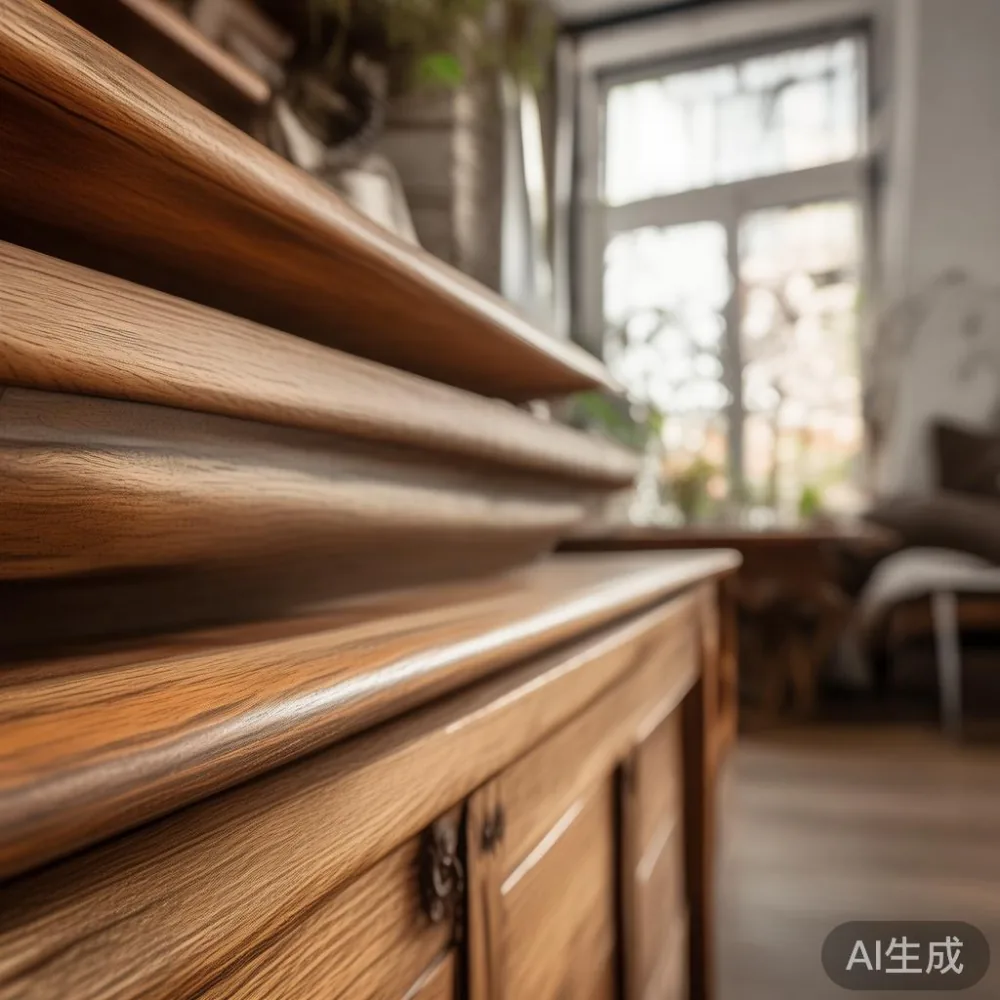
Wood is a hygroscopic material, which is a fancy way of saying it absorbs and releases moisture from the air. Think of it like a sponge, but one that expands and contracts slowly. In Singapore, the relative humidity rarely dips below 70% and can soar to 90% on a rainy afternoon. This constant exposure to moisture causes wood fibers to swell. For a solid wood dining table or a large wardrobe, this expansion can be significant. A tabletop that was 180 cm long might expand by 1-2 mm. While this sounds small, over time, the constant swelling and shrinking puts stress on the wood's structure.
The most visible effect is often a change in the wood's finish. A high-quality lacquer finish might look hazy, while an oil finish might feel tacky. More concerning is the potential for structural issues. If a solid wood bed frame is constructed without the proper joinery techniques to accommodate movement, the stress can cause joints to loosen, drawers to stick, or, in extreme cases, panels to crack. This is why the 10-year structural warranty from a maker like MIDHILL is not just a promise; it's an acknowledgment of these material realities. It’s a guarantee that the furniture is built to withstand the very climate it will live in.
Why Solid Wood is Still the Best Choice for Humid Climates
Given these challenges, one might wonder why anyone would choose solid wood over engineered alternatives like MDF or laminate. The answer lies in authenticity and longevity. Engineered woods are in effect sawdust and glue compressed under heat. When humidity penetrates the seams, these boards can swell and disintegrate from the inside out, often beyond repair. A piece that looks perfect one day can be ruined by a single humid week.
Solid wood, on the other hand, possesses a natural resilience. It is a single, continuous piece of material. When it absorbs moisture, it swells uniformly. When it dries, it contracts. This natural movement is predictable. A skilled craftsman anticipates this movement, using techniques like floating panels (where the panel is held in place by a groove but not glued, allowing it to expand and shrink freely) and using screws with clearance holes instead of nails or glue in critical stress points. This is the foundation of furniture that can be refinished for a lifetime. A solid wood nightstand might show a few fine lines over the years—what we call a patina—but it can be sanded down and refinished to look brand new. An engineered piece would simply be discarded. For the boho enthusiast, this natural aging process is not a flaw; it's part of the story.
How to Style a Light Luxury Wardrobe in an HDB Flat?
This is a question we hear often from clients in Singapore's public housing. The challenge is balancing a statement piece of furniture with the practical dimensions of an HDB bedroom. A standard bedroom in a 5-room flat might measure 3.6 meters by 3.6 meters. You need to leave enough space for a queen or king-size bed, two nightstands, and a wardrobe, all while ensuring you can walk around comfortably without squeezing through a 60 cm gap.
The solution lies in smart design and material choice. A European light luxury wardrobe, for instance, often features clean lines and a minimalist aesthetic that prevents it from overwhelming a smaller space. Instead of bulky, ornate handles, it might use integrated push-to-open mechanisms or slim, metal pulls. The finish is key—light oak or a matte white can make the wardrobe feel less like a massive block and more like an architectural element. I visited a client's new apartment in Bedok last month. She had chosen a 240 cm wide, 60 cm deep wardrobe with a light oak finish. By placing it along the longest wall, she created a sense of order without sacrificing floor space. The wardrobe's design was so elegant it became the focal point of the room, embodying the sophisticated yet relaxed vibe of boho style.
Practical Care: Protecting Your Boho Furniture Year-Round
Caring for solid wood in a humid climate is less about heroic measures and more about consistent, gentle habits. The goal is to minimize rapid, extreme changes in humidity. Here are the practical steps any homeowner can take.
1. Positioning is Paramount. Never place your solid wood sofa or dining table directly in front of an air-conditioning vent or directly under a window that gets full sun. The blast of cold, dry air from the AC or the intense, drying heat from the sun will create a microclimate that causes the wood to dry out too quickly, leading to cracking. Similarly, avoid placing furniture against an exterior wall, as these walls tend to be cooler and can collect condensation.
2. The Power of the Dehumidifier. While Singapore is humid, the air-conditioning in our homes dries the air significantly. Running a dehumidifier in the same room as your furniture, especially during the dry season when the AC is on constantly, can help maintain a stable humidity level between 45% and 55%. This is the sweet spot for wood. A small, 20-litre capacity dehumidifier is sufficient for a standard bedroom. Place it away from the furniture and let it run for a few hours each day.
3. Cleaning with Care. Dust your furniture with a soft, lint-free cloth. For a deeper clean, use a damp cloth, not a wet one. Wring it out thoroughly until it is just slightly damp. Always wipe in the direction of the wood grain. Immediately follow with a dry cloth to remove any lingering moisture. Never use harsh chemical cleaners or abrasive scouring pads, as they can strip the wood's natural oils and protective finish.
4. The Art of Polishing. Use a high-quality furniture polish or oil that is specifically designed for the type of finish on your piece. For an oiled finish, a monthly application of a natural wood oil like tung or lemon oil nourishes the wood and helps it better resist moisture. For a lacquered finish, a good paste wax applied every few months provides a protective barrier. This simple ritual is what allows for a lifetime of refinishing; by maintaining the surface, you prevent the need for a major restoration down the line.
Choosing the Right Wood for Your Home
Not all woods react to humidity in the same way. When selecting your furniture, it's wise to consider the wood's inherent properties. Hardwoods like teak, sheesham, and mango are excellent choices for humid climates. These woods have a dense grain structure and naturally high oil content, which makes them more resistant to moisture absorption and less prone to warping. Teak, for example, is so dense that it is often used for boat decks and outdoor furniture.
p>Softwoods like pine are more porous and will absorb moisture more readily, making them more susceptible to changes. While beautiful, they require more diligent care in a Singaporean home. For a solid wood bed frame, a hardwood like sheesham offers a beautiful, pronounced grain that adds to the bohemian aesthetic while providing the stability needed to withstand humidity. The choice between a European light luxury bed vs a Nordic bed often comes down to this consideration. The Nordic style, with its emphasis on light woods and clean lines, might require more environmental control, whereas the warmer, richer tones of a European light luxury bed often come from more stable hardwoods.Ultimately, the relationship between your boho-style furniture and Singapore's humidity is a partnership. With a little understanding and consistent care, your solid wood pieces will not just survive; they will thrive. They will develop a unique patina, a story told in the subtle shifts of their grain and color, becoming a true reflection of the life lived around them. It's this enduring quality, this ability to grow with you, that makes solid wood the perfect material for creating a home that is as warm and welcoming as the climate outside.