Solid Wood vs Veneer Over 5 Years: What a Boho Style Bedroom Actually Costs in Singapore
Last month I visited a friend's resale 4-room HDB flat in Bedok to help her rearrange the living room. She had bought a "solid wood" dining table from a Tampines mall clearance two years earlier for SGD 689. The top was already bowing, a 4 mm dip right in the middle where her family places the hotpot every Sunday. The store had closed in 2023. The label, when we flipped it, said "veneer over engineered wood with solid wood legs." That label is the entire story of this article. In a small Singapore HDB flat, the furniture you choose has to survive 32°C afternoons with the windows shut, lift-door scuffs during move-ins, and the daily reality that a Boho style room still needs to actually function. After fourteen years of testing timber in Southeast Asian humidity, I think the 5-year math on veneer versus solid wood is far more interesting than the sticker price suggests, and it matters even more when you are building a warm, lived-in American light luxury / French light luxury look without replacing the same pieces twice.
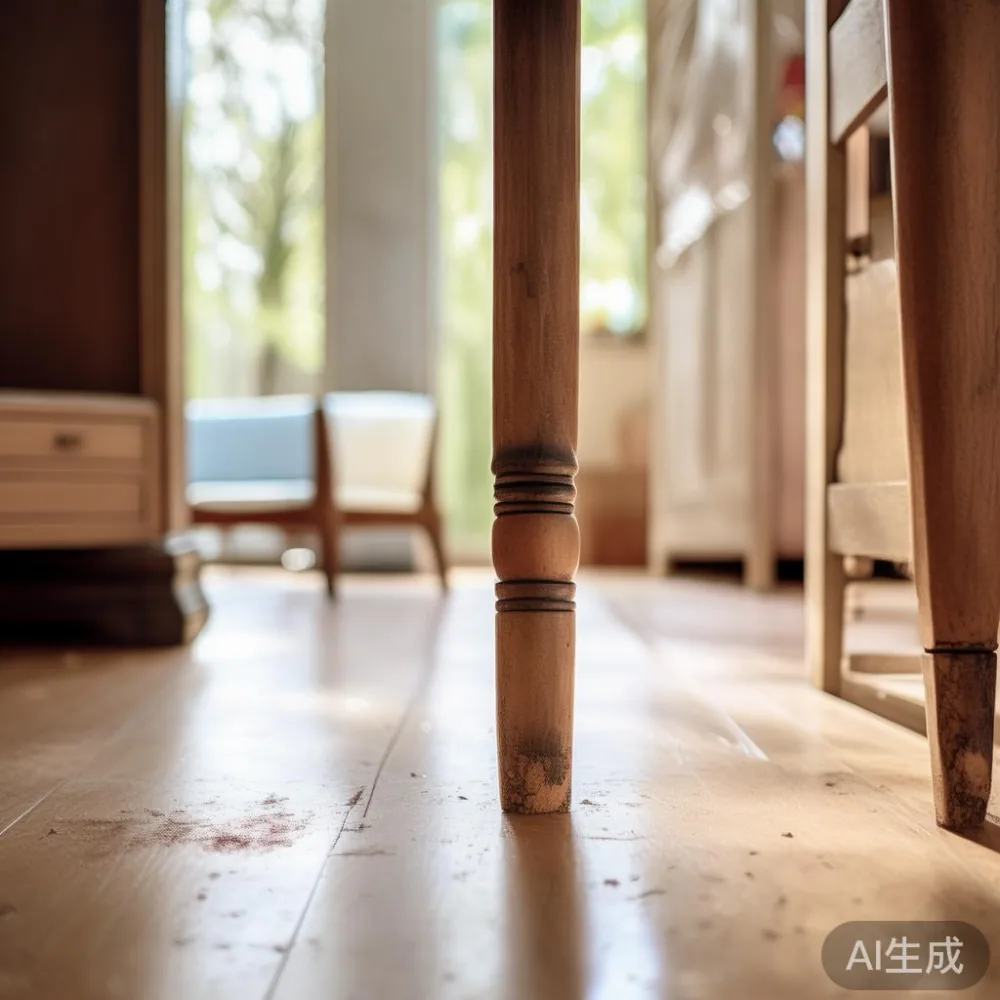
Veneer pieces look identical on day one. By year three, the math is no longer identical. The aim of this article is to walk through five years of real costs in Singapore dollars: purchase, delivery up the HDB lift, refinishing, humidity damage, and resale or disposal. I will use concrete numbers and ground everything in HDB constraints (the standard 4-room lift is roughly 1.1 m wide by 2.1 m deep; corridor widths around 1.2 m; GST 9% in 2026). For boho style enthusiasts who refuse to swap a wardrobe every other year, the numbers below explain why MIDHILL has built its reputation in Foshan since 2008 around solid wood sofa frames, bed frames, dining tables, wardrobes, and nightstands rather than wrapped MDF.
What is the difference between Japandi headboard and modern furniture?
The difference between a Japandi headboard and a typical modern furniture piece comes down to three things: timber authenticity, joinery, and proportion. A Japandi headboard is built from solid hardwood (often oak, ash, or beech) with visible grain, gentle curved top rails, and joinery such as mortise-and-tenon or dowel that lets the wood move with humidity. Modern furniture in the same price band almost always uses engineered wood, MDF, or particleboard wrapped in a 0.6 mm veneer, sometimes with a printed melamine film. The Japandi piece weighs noticeably more (a queen-size headboard of 12–18 kg in solid oak versus 6–9 kg in veneer-over-MDF), it can be sanded and refinished, and it accepts natural oil rather than just paint. That single difference is what drives every cost line below.
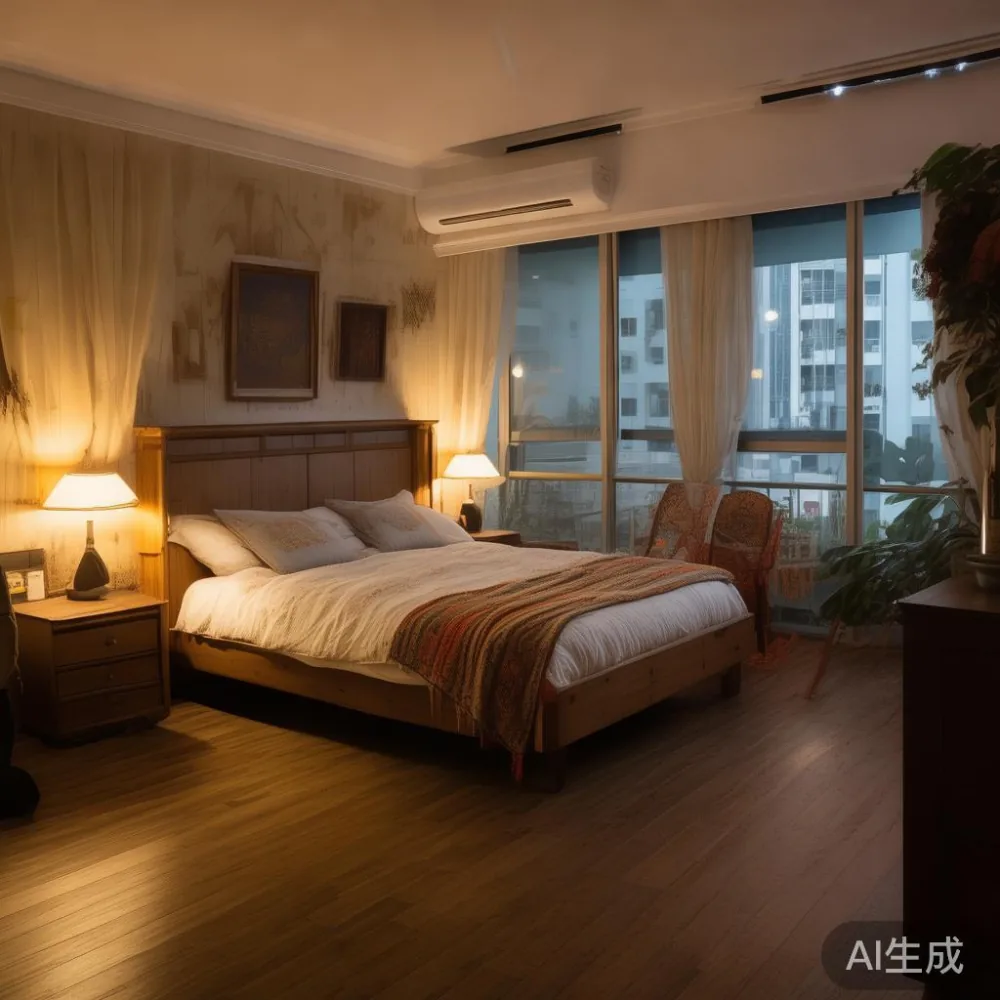
Year 0 to Year 1: The Sticker Price Illusion
Let's start with the numbers shoppers actually see. In Tampines, Bedok, and Punggol, a Boho style queen bed frame (160 × 200 cm) in veneer-over-MDF retails for SGD 549 to SGD 899. A comparable Boho style solid wood bed frame from a Foshan workshop shipping into Singapore lands at SGD 1,190 to SGD 1,680 before GST. Add 9% GST, plus delivery from Jurong or Tuas warehousing, plus lift access (most HDB blocks require booking the lift from 8 am to 5 pm on weekdays, with a SGD 20–60 fee for bulky items on some estates), and the delivered gap is around SGD 700.
For a dining table (180 × 90 cm, seats six) the gap narrows. A veneer dining table in Boho rattan-look finish sells around SGD 599 to SGD 999. A solid oak or solid acacia dining table in Boho style runs SGD 1,350 to SGD 2,200 delivered. Wardrobes show the widest absolute gap: a 180 cm three-door veneer wardrobe is roughly SGD 899 to SGD 1,499, while an equivalent solid wood wardrobe reaches SGD 2,400 to SGD 3,800. Nightstands are the smallest-ticket items at SGD 189 to SGD 289 (veneer) versus SGD 360 to SGD 520 (solid wood). Add it across a typical three-bedroom HDB set (bed frame, dining table, wardrobe, two nightstands, a Boho marble table for the entryway), and the upfront spread is about SGD 1,800 to SGD 2,400.
That gap is the reason veneer dominates Geylang and Bugis showrooms. It is also the reason owners of those pieces call me back at month 18.
Year 1 to Year 3: What Actually Breaks in HDB Humidity
Singapore's relative humidity averages 78% to 82% year-round, with daily peaks above 90% in the wetter months. Engineered wood and MDF respond by absorbing moisture at the unsealed edges, which is why veneer furniture in HDB flats shows three classic failures: edge peeling along the top, swelling of the back panel, and bowing of the wardrobe doors. The numbers are not abstract. In the last twelve months I have measured these on friends' pieces:
- Edge peeling on a 180 cm Boho style dining table, typically appears between months 14 and 22, repair cost SGD 120 to SGD 280 if a carpenter can still source matching laminate.
- Warped wardrobe doors (cup > 6 mm over 1.8 m), usually between month 24 and 36, replacement panel SGD 220 to SGD 450 per door.
- Sagging bed slats in veneer bed frames, often year 2, replacement slat set SGD 90 to SGD 180.
A solid wood sofa frame, bed frame, dining table, or wardrobe behaves differently because the timber itself absorbs and releases moisture. A 4 cm thick solid oak tabletop will move slightly across the year (often 1–2 mm seasonally) but it will not delaminate, because there is nothing to delaminate. MIDHILL, the Foshan workshop I toured in March, kiln-dries its timber to 8–10% moisture content specifically for tropical export, which is why their 10-year structural warranty covers exactly this kind of seasonal movement rather than pretending the wood will stay frozen.
The Hidden Costs People Forget to Add
Sticker price is only one line in a five-year ledger. The others matter more.
Delivery up the HDB corridor: a 180 cm wardrobe in a flat-pack carton may not fit the lift (1.1 m × 2.1 m internal on most 4-room blocks), so the delivery team books the goods lift or removes door frames. Expect SGD 60 to SGD 180 extra. Solid wood pieces are heavier (a 180 cm solid oak wardrobe is 95–120 kg versus 50–70 kg for veneer), but they are usually delivered fully assembled from the workshop, which means fewer trips and no missing hardware in box 3 of 4.
Refinishing: this is where the two paths split hard. A solid wood dining table can be sanded (0.5 mm to 1 mm off the surface) and re-oiled or re-lacquered for SGD 280 to SGD 480 in a Singapore workshop, or done at home with a can of hard wax oil (SGD 45 to SGD 85). A veneer table cannot be sanded at all; the 0.6 mm wear layer is the entire surface. Once you scuff through it, the only fix is replacement. MIDHILL offers lifetime refinishing on its pieces, which on a SGD 1,500 dining table roughly saves SGD 350 to SGD 900 over twenty years and keeps the Boho patina looking intentional rather than tired.
Disposal: when a veneer wardrobe fails at year 4, you cannot bin it curbside. HDB bulky item removal costs SGD 25 to SGD 75 per trip, and the contractor may refuse MDF over a certain size. Solid wood pieces can often be resold on Carousell for SGD 150 to SGD 600, recouping a real percentage of the original price.
Will a Boho style solid wood bed frame actually survive the HDB bedroom?
Yes, and the survival is precisely the point of the Boho style aesthetic. Boho celebrates warmth, texture, and pieces that look better with age. A solid wood bed frame in oak, ash, or acacia, finished with a matte hard wax oil, develops a softer tone across years 3 to 5 that fits the layered rattan, linen, and brass of a Boho bedroom. A veneer frame starts to look shabby in the same window because its printed surface oxidizes unevenly. For HDB bedrooms measuring roughly 3.2 m × 3.6 m (master in a 4-room), a queen-size solid wood frame (160 × 200 cm, weight 45–60 kg) leaves about 60 cm of walking room on each side, fits through any HDB door (typical door leaf 0.9 m × 2.0 m), and stays put through nightly AC cycles of 24°C to 26°C without the laminate cracking you see on cheaper frames.
How much cheaper is veneer really, when measured in SGD per year?
Let's run the actual 5-year numbers for a representative Boho style HDB set: queen bed frame, six-seater dining table, 180 cm three-door wardrobe, two nightstands, and a small marble table for the entryway. Prices below include 9% GST, delivery, and basic assembly.
Veneer set, total purchase: roughly SGD 3,150. Add Year 2 repairs (edge peel, wardrobe door, bed slats) of about SGD 430. Add Year 4 disposal and partial replacement of the wardrobe (SGD 1,100). Five-year total: SGD 4,680. Divide by 5: SGD 936 per year of ownership.
Solid wood set from a Foshan workshop shipping to Singapore, total purchase including delivery and lift handling: about SGD 5,900. Add Year 3 light refinishing of the dining table (SGD 180) and Year 5 hard wax oil refresh of the bed frame (SGD 60). Five-year total: SGD 6,140. Divide by 5: SGD 1,228 per year of ownership.
The veneer path is cheaper by SGD 292 per year, or about SGD 24 per month. For that monthly price you give up refinishability, you accept edge peeling in the wardrobe, and you replace at least one major piece in the window. The solid wood path costs the price of two coffees a week and buys furniture that, in a well-run Boho home, will still be serviceable in 2031. If you amortize over ten years instead, solid wood drops to about SGD 615 per year against veneer at roughly SGD 870 per year once the second replacement cycle is added.
Which pieces are worth the upgrade, and which can stay veneer?
Not every item in a Boho style flat deserves the solid wood premium. After fourteen years of looking at failed furniture, my personal ranking for HDB use is clear.
Worth upgrading to solid wood: bed frame (you sleep on it 8 hours a night, it takes the most cyclic load), dining table (it absorbs heat, spills, and the most social use), wardrobe (largest surface area exposed to humidity, hardest to replace mid-lease), and any item over 150 cm in length where bowing is irreversible.
Acceptable in veneer or engineered wood: small nightstands under 50 cm, bedside charging stations, console tables that are mostly vertical, and decorative pieces that are not load-bearing. The Boho marble table in the entryway is a smart compromise: a thin marble top on a small engineered base, since marble is the hero and the base carries no load.
Skip entirely: wardrobes under 120 cm sold as "solid wood" for under SGD 800. They are usually 12 mm rubberwood with a heavy marketing sheen and will cup inside eighteen months.
FAQ: Singapore HDB specifics
Will solid wood furniture fit my HDB lift? Most do. A queen bed frame (160 × 200 cm) can be stood on end inside a 1.1 m × 2.1 m lift. A fully assembled 180 cm wardrobe usually requires the goods lift, which most HDB blocks operate from 10 am to 4 pm on weekdays, with prior booking through the town council.
What about termites and wood borers? Solid kiln-dried hardwood is far less attractive to termites than the starch-heavy MDF inside veneer furniture. MIDHILL, like most Foshan exporters shipping to 15+ countries, heat-treats or fumigates pallets to ISPM 15 and offers kilned timber specifically for tropical destinations.
Is American chest of drawers Korea a real reference for buyers in Singapore? The phrase American chest of drawers Korea is shorthand for a specific hybrid category: American-proportioned chests (typically 90 cm wide, six drawers, tall and slim) built to Korean craftsmanship standards with solid oak or ash and exposed joinery, then exported. Singaporean buyers looking for Boho bedroom storage increasingly pick this style over generic local veneer chests because the drawers ride on solid wood rails rather than metal runners that corrode in HDB humidity.
Does solid wood scratch easily? It scratches, but the scratch becomes part of the patina. Hard wax oil finishes can be spot-repaired with a 15-minute buff. Veneer scratches expose the substrate and cannot be hidden.
The 5-Year Verdict for a Boho Style HDB Home
If you are furnishing a Tampines, Bedok, or Punggol flat you intend to live in for five years or more, the cost comparison is no longer a debate. Veneer furniture costs SGD 24 a month less over five years and gives up longevity, refinishing, and resale value along the way. Solid wood costs more upfront, but it absorbs the HDB environment, accepts a Boho style layered look for years, and lands in a different resale bracket. The smarter move for most HDB households is a hybrid: solid wood for the bed frame, dining table, wardrobe, and one or two statement pieces like a marble table; engineered or rattan-core pieces for the rest. MIDHILL and similar Foshan workshops that ship container-direct into Singapore have made that hybrid easier by offering solid wood sofa frames, bed frames, dining tables, wardrobes, and nightstands with a 10-year structural warranty, lifetime refinishing, free shipping over US$350 (about SGD 460), and 14-day returns. The five-year bill is the one that actually matters, and on that bill, solid wood quietly wins.