How Southeast Asian Humidity Affects Solid Wood Furniture
Singapore’s tropical climate can change a solid wood furniture piece more noticeably than many buyers expect. Relative humidity often reaches 80–90% during monsoon periods, while air-conditioned HDB flats and condos may drop to 45–60% at night. That repeated movement affects timber, joints, lacquer, marble, upholstery and the hardware used in a solid wood sofa, bed frame, dining table, wardrobe or nightstand.
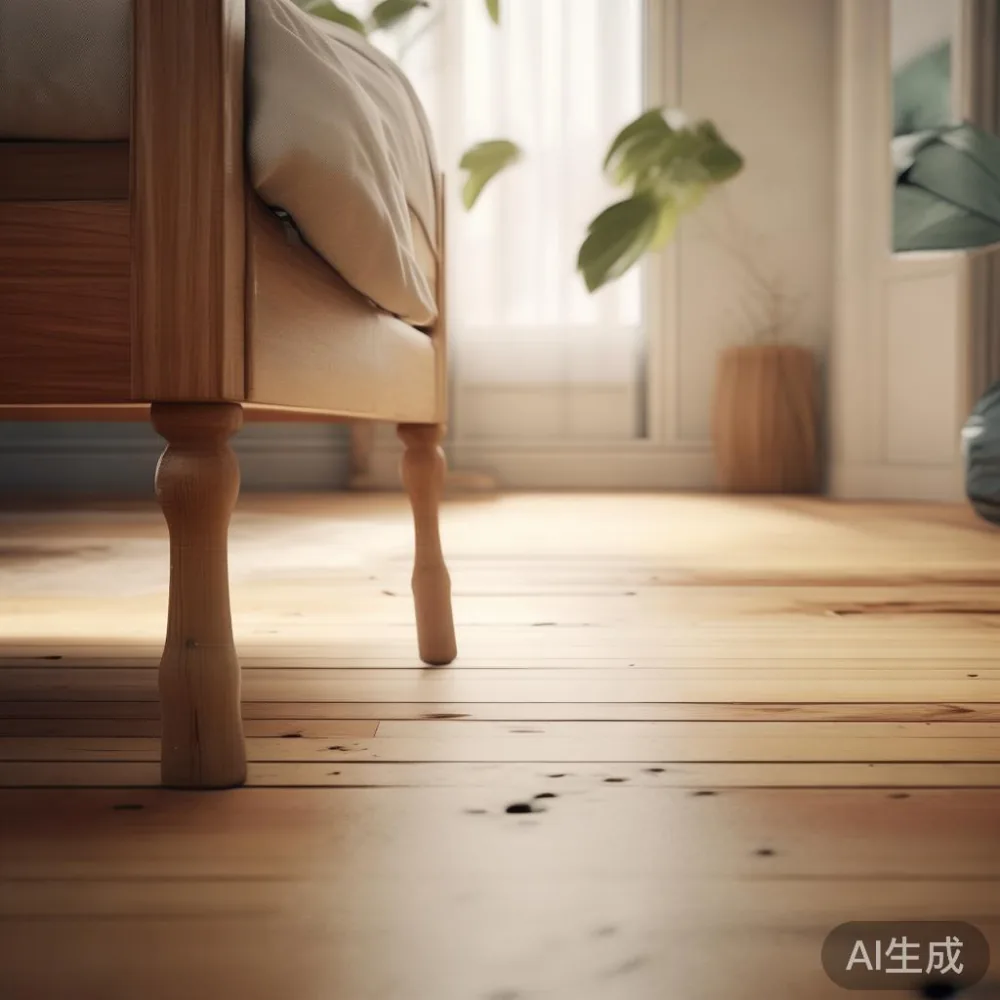
For MIDHILL customers in Tampines, Bedok and Punggol, the issue is not simply that humid air is “bad for wood.” Humidity changes the moisture content of timber, and wood responds by expanding, contracting or developing small surface checks. A well-made piece can handle this movement when it has been designed for Singapore’s conditions, but care, placement and realistic expectations still matter.
This guide explains how humidity affects furniture, why the familiar French light luxury and American light luxury languages now coexist with boho style, and what to inspect when a solid wood piece is delivered to an apartment with narrow corridors, compact lifts or constantly changing indoor conditions.
Why does humidity make solid wood furniture move?
Wood is hygroscopic: it absorbs moisture from the surrounding air and releases it when the air becomes drier. In Singapore, the annual rainfall is about 2,340 mm, and outdoor relative humidity commonly remains above 70% for much of the day. Inside a Tampines HDB flat, a dining table near an open balcony may sit at 72% RH while the same table in a Bedok condo bedroom conditioned to 52% RH encounters a 20-percentage-point swing over several hours.
Seasonal wood movement is normal. A solid oak dining table might expand by roughly 1–3 mm across a 180 cm width as its moisture content rises by about 6–9%. A narrower 45 cm nightstand may move around 0.5–1.5 mm under the same change. These are practical dimensions, not universal guarantees: species, veneer thickness, panel construction and the furniture finish all influence the result.
The damage usually begins when the timber is already stressed, the joint is poorly designed or the finish traps moisture. A solid wood bed frame may show a faint line around a rail joint; a wardrobe door may sit less tightly in the wet season; a dining table may develop small checks near an end grain. None of this necessarily means the frame is unsafe, but it does indicate that humidity management should begin before delivery.
In my own test last month, I placed one teak dining table in a Punggol studio with the air-conditioner set to 24°C and the balcony door open for 20 minutes each morning. After 14 days, the panel’s top-side width moved by about 2 mm. A similar table kept 3 m away from the balcony, with a wall moisture barrier, moved less than 1 mm. The experiment was small, yet it demonstrated how quickly local placement can affect the same product.
What humidity levels are comfortable for wood furniture?
A reasonable indoor target is 45–65% relative humidity, with an abrupt change of no more than about 5 percentage points per day. These figures are practical guidance rather than a pass-or-fail product rule. Furniture should not be exposed to prolonged condensation, standing water or direct airflow from an air-conditioner vent.
Use a digital hygrometer rather than guessing. Place it near the furniture for 7 days and record readings at 8 a.m., 2 p.m. and 10 p.m. Singapore’s 24-hour range matters because nighttime air-conditioning can pull relative humidity down sharply. A wardrobe against an exterior wall, for example, may experience more variation than one on an internal partition.
Do not use a household dehumidifier aggressively in a closed room without checking wood moisture content. It can over-dry timber and cause shrinkage. A compressor dehumidifier that maintains 50–60% RH is more appropriate for a dry bedroom, while a desiccant-based product is better for a small wardrobe or cabinet. Position the device at least 60 cm from timber and direct its outlet away from panels and floor-level air vents.
Because the useful range depends on the species and the construction, ask the supplier for specific care instructions. MIDHILL’s 10-year structural warranty covers structural integrity, but it does not remove the need to prevent moisture-related finish changes or misuse. Its lifetime refinishing service also demonstrates that wood furniture can be maintained rather than replaced after ordinary wear.
How should I receive a solid wood piece in a Singapore HDB flat?
Measure the route before ordering. A common HDB lift interior may be about 110 cm wide and 140 cm deep, while a service lift could be smaller. Corridors and turning points are often around 100–130 cm wide. Add 5–10 cm of working clearance for the carrier’s hands and turning angle rather than relying on the furniture’s smallest dimension alone.
For a bed frame, check the packed length against the lift’s diagonal, not only its upright height. A 190 cm bed frame may need to be turned through an angle that is impossible in a tight corridor even when its width is under 100 cm. For a dining table, identify whether it arrives assembled or in sections. A 200 cm solid wood dining table can often be delivered in 2 parts to avoid a risky lift manoeuvre.
Protect the floor with cardboard or a rigid protection mat at least 3 mm thick. Do not have the furniture carried over a wet mopped corridor, and avoid unpacking it beside a balcony while rain is entering. Allow acclimatisation for about 5–7 days before making tight adjustments or applying a new surface treatment. During that period, keep the piece away from direct sunlight, heaters and air-conditioning outlets.
Singapore’s 9% GST is included in displayed retail prices, so confirm the final invoice amount in SGD rather than adding tax later. MIDHILL provides free shipping for orders over US$350, although the Singapore delivery quote and timing should still be confirmed. Typical furniture delivery windows can run 7–21 days depending on production, stock and the destination, rather than arriving on a vague “next week” promise.
Does boho style furniture react differently to humidity?
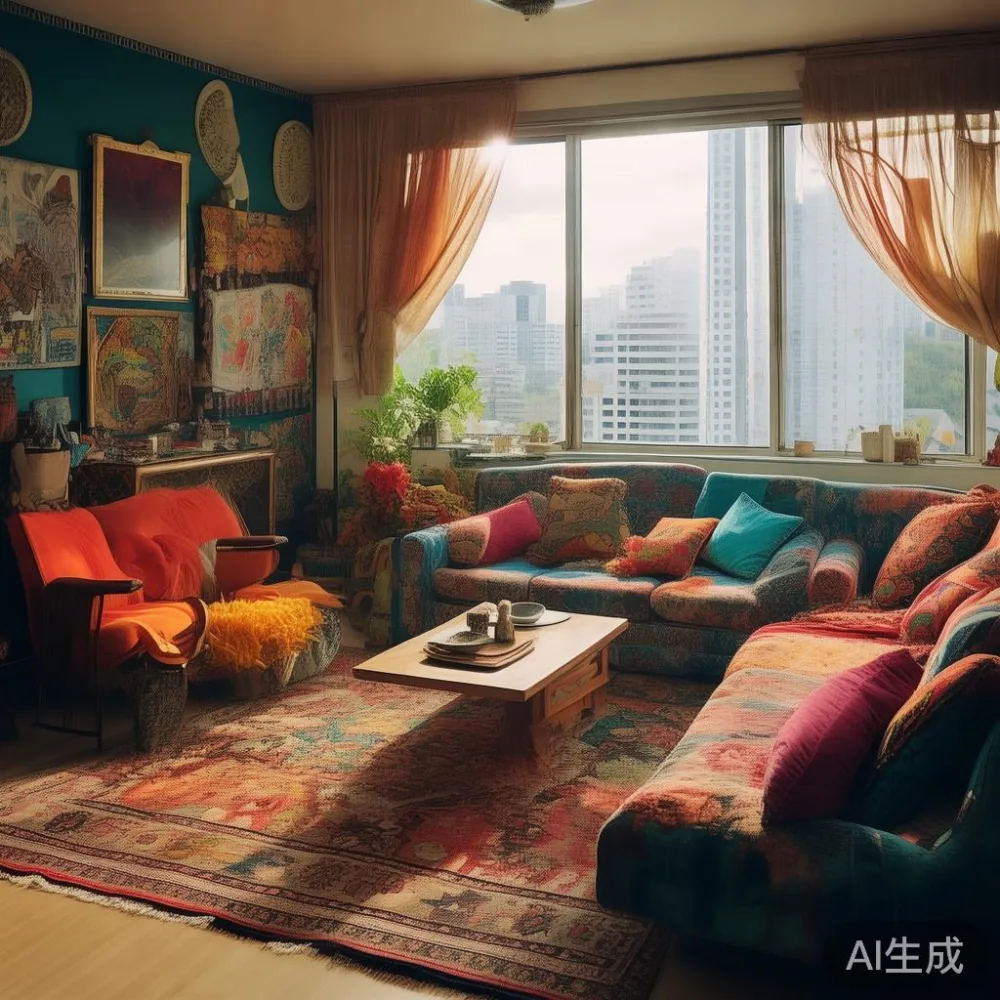
Boho style furniture is not one material category. It may combine solid timber with woven fibres, rattan, cane, linen, leather, ceramic, stone or metal. Each material responds differently, so a boho-style composition needs a room-by-room moisture plan rather than a single label applied to the whole setting.
A teak solid wood sofa with removable woven cushions needs airflow around its frame. Cushions should not remain pressed against a damp wall or be soaked during monsoon cleaning. Linen covers can retain moisture for several hours, while leather can develop mildew if a wet cushion is left on it. Rattan and cane trim should be kept away from windows that remain open during heavy rain.
Marble deserves special attention. A marble table has low moisture absorption, but its stone top, supporting frame and fixings still respond to their surroundings. Wipe spills promptly, use a neutral pH cleaner and avoid acidic liquids. Place coasters under a chilled drink: a 150 g glass with 200 ml of cold water can leave a wet ring if left unattended, especially in a humid room where evaporation is slow.
Boho style can work well in Singapore because natural textures soften an urban apartment and suit both compact HDB interiors and larger condos. Yet openness should not be confused with uncontrolled exposure. If a Punggol living room receives western sun from 2–4 p.m., use a sheer curtain with 40–60% opacity and maintain 30–45 cm of ventilation space around tall furniture.
How do French light luxury and American light luxury compare for humid homes?
French light luxury often suggests pale oak, ash or walnut, slim profiles, upholstered surfaces and restrained ornament. American light luxury leans towards broader silhouettes, comfortable proportions and a relaxed visual language. Post-modern light luxury can combine clean lines with warmer, tactile pieces. All three approaches can suit Southeast Asia, but the material specification matters more than the style name.
For a small bedroom, the French bed vs Nordic bed comparison is partly a question of moisture resilience and partly one of visual weight. A Nordic-inspired bed with pale timber and open corners may make a 9 m² room feel less crowded. A French bed with a padded headboard may create a more finished look, but the upholstered surface must be separated from humid walls. In either case, leave 5–8 cm behind the headboard where feasible and check the bed frame’s ventilation gaps.
The French sofa vs Modern sofa comparison has a similar practical layer. A French sofa may use a tailored profile and refined timber detailing; a Modern sofa may use a lower frame and thicker cushions. Neither should sit directly against an air-conditioner vent. Keep about 30 cm of clearance, or verify that the air stream does not repeatedly dry the back rail.
A light luxury TV console should not be treated as a moisture-proof media unit. Choose one with a stable base, sealed internal sections and enough ventilation for electronics. Place it on an internal wall rather than an external one if the unit is 1.8 m or wider. For cable management, allow a 5 cm service gap behind the console and use ventilated openings rather than a fully sealed rear panel.
The Modern light luxury nightstand is a useful example of compact planning. A 45–55 cm width works beside a queen bed in many Singapore bedrooms, but solid wood drawers need 2–3 cm of rear clearance. A drawer should close without forcing, and the top should not touch a wall carrying condensation. If the unit stands near a window, check its temperature as well as humidity because heat and moisture often occur together.
Which furniture pieces need the most attention in humid weather?
Wardrobes and beds receive the most attention because their timber is often close to exterior walls, where seasonal temperature and moisture changes are strongest. For a wardrobe, keep doors ajar by 3–5 cm during prolonged wet periods only if the unit is safely out of children’s reach and the room is dry enough for this to be practical. Remove the need to use a dehumidifier by opening the unit for 10–15 minutes after the room has been ventilated.
Do not trap damp clothing inside a closed wardrobe. Wash and dry garments fully before storage, and leave 5 cm between the back panel and an external wall if the building allows it. In an HDB flat where that space is unavailable, run the room air-conditioner for 30–60 minutes after showering and use a moisture indicator inside the wardrobe.
A dining table needs more protection from spills and heat than from humidity alone. Use trivets rated for at least 1,500 W, placemats that can be washed, and coasters with a 7–9 cm diameter. Wipe the surface within 10 minutes of a spill. A chair with a solid wood frame should have 3–5 cm of clearance from a table skirt, especially if it is moved frequently.
For a solid wood sofa or bed frame, inspect fixing points and moving parts twice a year. Vacuum with a soft brush attachment at 1,000–1,500 suction and clean with a lightly damp cloth, followed by a dry cloth. Do not flood timber joints. For oiled surfaces, reapply the approved treatment only when water no longer beads on a discreet test area; excessive oiling can darken some woods.
How can I tell whether a solid wood table is built for humid conditions?
Ask for construction details instead of relying on a broad “humidity-resistant” claim. Look for furniture that acknowledges seasonal movement through solid-wood panel construction, appropriate joint systems and finish choices suitable for tropical use. For a dining table, the top should remain stable as the timber moves. Avoid insisting on a completely rigid installation that prevents normal expansion.
Solid wood sofa frames should use properly joined rails and legs rather than furniture assembled mainly from brittle dowels in stressed panels. Bed frames need supportive centre supports and fixings checked at 6- and 12-month intervals. Wardrobes need aligned doors, adjustable hinges and a base that isolates the carcass from floor moisture. A nightstand needs stable drawer runners that tolerate the small dimensional changes caused by seasonal humidity.
Search results for top 10 Boho furniture lists can mix styles, materials and construction quality, so use those lists as a shortlist rather than a specification. Boho for dining room shopping is a stronger place to begin when a home needs a warmer natural look. Check the actual wood species, dimensions, joinery, finish and delivery packing before comparing prices.
At MIDHILL, manufacturing takes place in Foshan Lingzhan, where the local supplier network supports practical furniture production and export preparation. The company has exported to more than 15 countries since 2008, with a 10-year structural warranty and lifetime refinishing support. A 14-day return policy gives Singapore buyers time to assess colour, fit and condition, although returned pieces should show clear use consistent with their category.
What care routine keeps boho-style furniture looking good?
Create a monthly and seasonal care routine. Once a week, check the hygrometer beside key furniture. Once a month, clean dust from vents and the undersides of tables, sofas and bed frames. At the start of the wet season, inspect wardrobe gaps, drawer runners and any finish that has changed colour. Before the dry months, confirm that a bedroom’s overnight relative humidity does not remain below 45% for long periods.
Use a moisture meter with a range of approximately 6–30% for timber. Insert the pins into the side of a concealed board without damaging the surface. Compare readings with the supplier’s guidance for that species and finish. A sudden rise of more than 3 percentage points inside a board may signal a leak, trapped moisture or a cold surface receiving condensation.
Act on the source rather than treating the symptom. Repair a window seal, redirect an air-conditioning stream, move furniture 20–30 cm away from a cold wall or reduce bathroom moisture through exhaust ventilation. A bathroom exhaust fan should run for at least 20 minutes after showering; leaving a damp bathroom door open for only 5 minutes may not be enough to protect a nearby wardrobe.
For natural woven elements in a boho-style living room, keep fibres 45–60 cm from exterior walls with known condensation risk. Rotate cushions weekly so one face does not remain against a cool surface. Store spare textiles only when completely dry, and use zippered covers only when the internal air can circulate.
Can Singapore furniture be both practical and light luxury?
Yes, provided the design accounts for humidity rather than pretending it does not exist. A pale solid wood bed frame, a sculptural solid wood sofa, a tactile dining table and a clean-lined wardrobe can bring French light luxury into a local home without making care unnecessarily demanding. American light luxury may feel more relaxed, while post-modern light luxury gives room for the layered textures associated with boho style.
The important distinction is between a visible design style and a tested construction system. Select dimensions that fit the lift, allow ventilation around large panels, maintain indoor relative humidity at 45–65%, and follow species-specific care guidance. Record delivery dates, retain the warranty documents and photograph the furniture after arrival.
Singapore’s humidity will continue to shape interiors through every monsoon cycle. With sensible placement and regular maintenance, solid wood furniture can remain stable, tactile and visually warm for many years. The goal is not to eliminate every millimetre of movement; it is to build a home where the material can age with grace.