Boho Style Meets Humid Air: How Southeast Asian Moisture Shapes Your Solid Wood Furniture
I still remember the morning my colleague walked into the Tampines HDB showroom with a customer complaint tucked under her arm. A family in Punggol had bought a gorgeous solid wood bed frame from a brand that shall remain nameless, and within four months of delivery, the side rails had cupped outward by roughly 4 mm and a wardrobe door refused to close flush. The culprit was sitting in the air all along. At 80 to 90 percent relative humidity, Singapore is one of the most demanding environments on Earth for solid wood furniture, and anyone investing in a boho style dining table or a French light luxury bed frame needs to understand how moisture behaves before signing the delivery order.
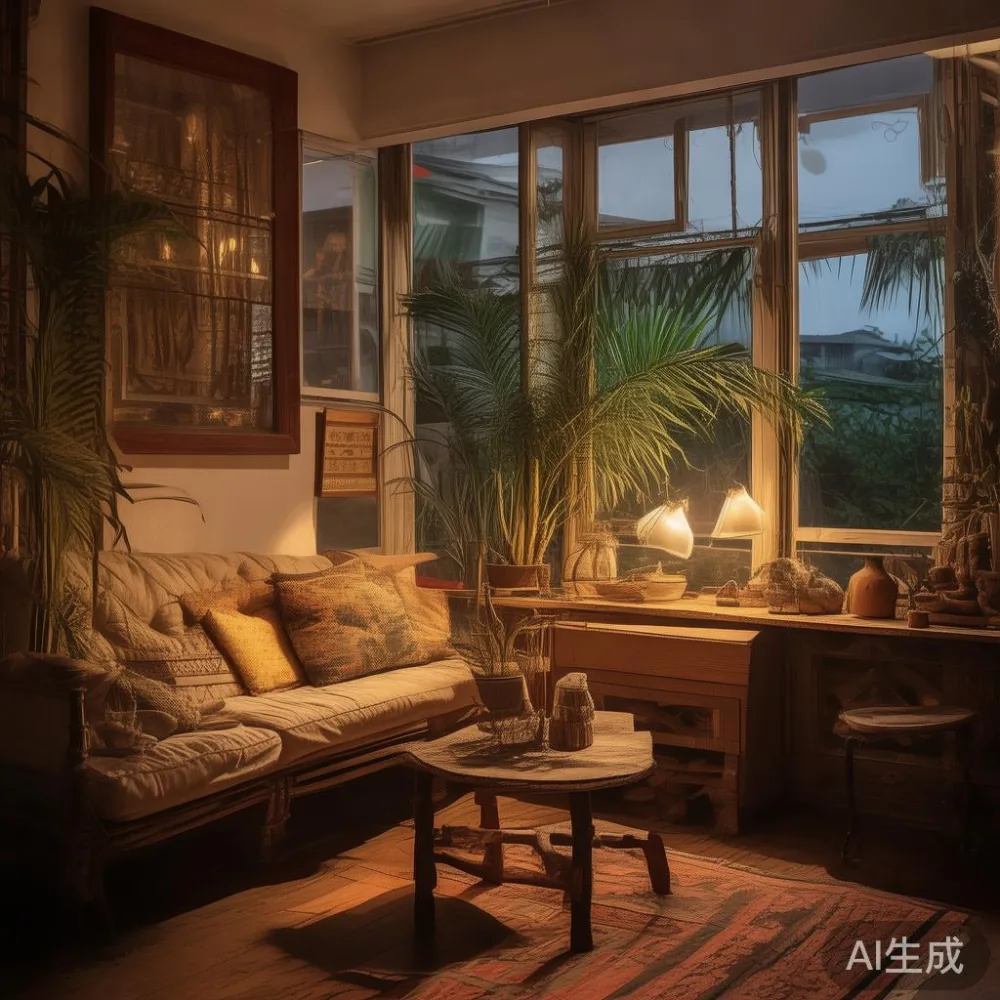
What humidity really does to solid wood — and why boho style picks are not immune
Solid hardwood is hygroscopic, which means every board in your solid wood sofa, nightstand, or marble-topped side table is constantly exchanging moisture with the surrounding air. In a Bedok condo where the air-conditioner runs from 9 pm to 7 am but the corridor door stays propped open during the day, humidity can swing from 55 percent overnight to 88 percent by late afternoon. That 33-point swing is what engineers call the equilibrium moisture content (EMC) cycle, and it is the single biggest reason furniture moves.
During the wet phase from November through February, the North-East monsoon pushes humidity toward 95 percent in HDB corridors that have no cross-ventilation. Wood absorbs that moisture, swells, and the faces of planks push against one another. In the dry phase — the brief window when a ceiling fan alone is enough and the dehumidifier in Singapore is usually packed away — the same boards give back that moisture, and the gaps that closed in winter open into thin pencil-line cracks by March. The shape of a boho style dining table made from acacia, rubberwood, or oak will literally breathe with the calendar.
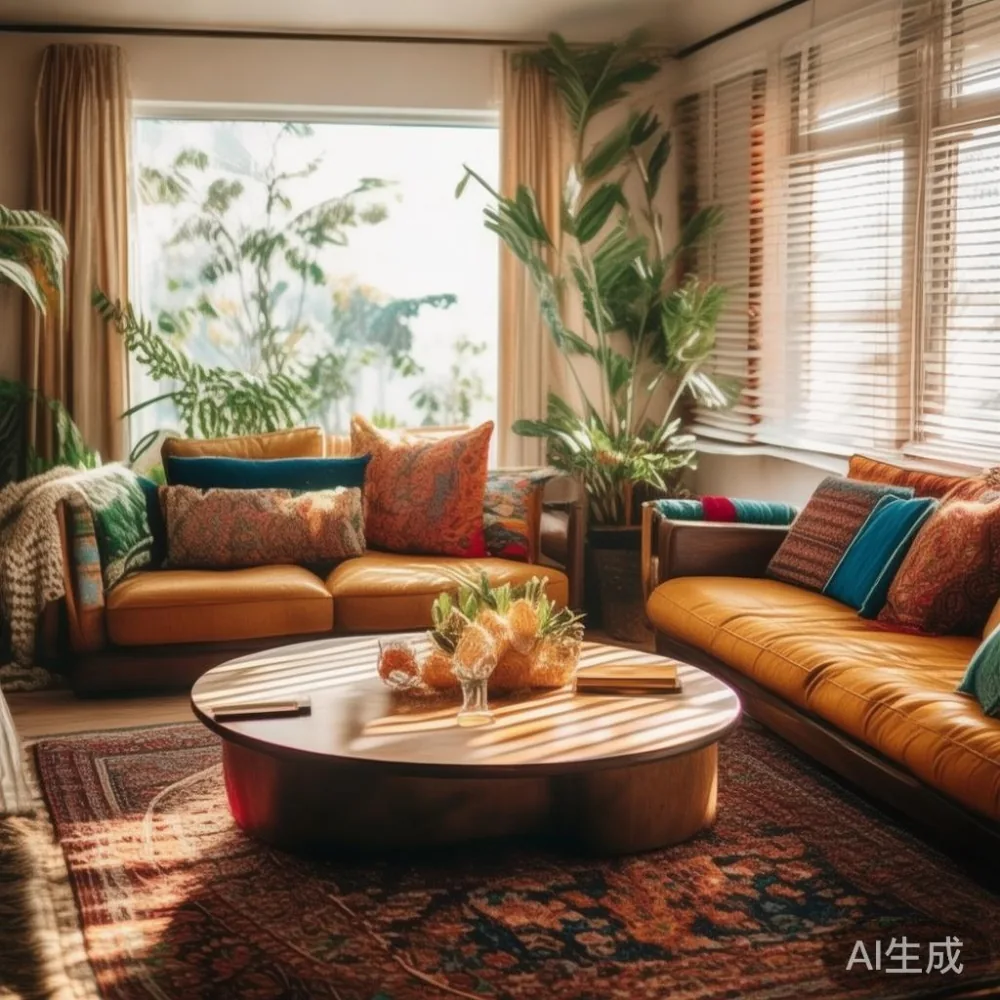
Is Singapore's HDB lift and corridor sizing a real problem for a 1.8 m solid wood bed frame?
This is the question my colleague hears twice a week on the Jurong East HDB side and almost as many times in Tampines. The answer is, yes, it can be. A typical HDB passenger lift in a 2010 to 2020 BTO measures roughly 1.4 m deep by 1.1 m wide with a 1.9 m door opening, and the corridor turning radius at your front door is often only 1.2 m. A standard queen-size solid wood bed frame from MIDHILL, with headboard and slats packed flat, comes in at about 210 cm by 165 cm by 18 cm in its outer carton, weighing 62 kg. Two strong delivery men can pivot it through a 1.4 m lift, but only if the carton is stood on its long side. A king-size version pushes the weight to 78 kg and the length to 220 cm, and on certain Punggol HDB blocks with the older 1.05 m wide goods lift, the carton simply will not fit vertically.
Before you pay a SGD 1,200 to SGD 2,400 deposit, ask the showroom to confirm the packed dimensions in centimetres, the net weight in kilograms, and whether the headboard ships pre-fixed or in two halves. A flat-packed headboard on two-point mounting brackets is the difference between a 25-minute carry-up and a courier that gives up at level 4. MIDHILL lists these numbers in the spec sheet for every bed frame, wardrobe, and dining table they export, which is one of the reasons their pieces keep arriving intact across 15 plus countries.
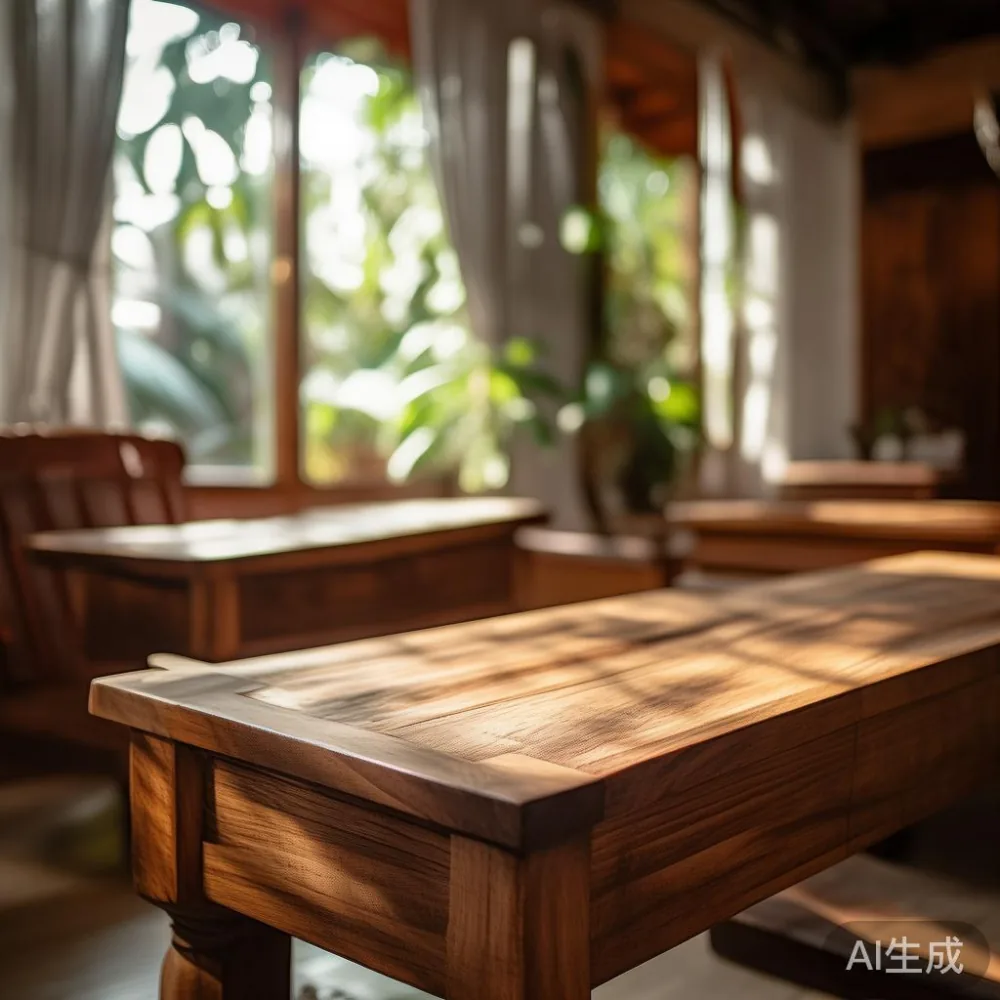
Why post-modern light luxury furniture handles our weather so well
The phrase post-modern light luxury gets thrown around a lot, but in a humid climate it actually has a technical translation. Post-modern light luxury pieces, including the Italian light luxury with storage sideboards and bar cabinets that are increasingly popular in Punggol condos, are typically built with kiln-dried hardwood at 8 to 10 percent moisture content, joined with floating tenons and dowels rather than glued mitres, and finished with a low-VOC matte lacquer that still permits the wood to off-gas moisture.
Solid rubberwood and ash, the two species most often used in this category, have a tangential movement coefficient of around 1.2 percent per 1 percent change in EMC, which is acceptable for furniture that lives indoors. Compare that with flat-pack MDF, which moves at roughly 0.05 percent but fails catastrophically at 85 percent humidity because it absorbs water through every cut edge and swells like a kitchen sponge. Last month I visited a Bedok resale flat where a four-year-old MDF wardrobe had swollen 8 mm along the bottom edge after a leaking air-con dripped unnoticed for ten days. A solid wood wardrobe at the same price point would have absorbed the spill, returned to shape once the room dried, and shown no permanent damage.
How should I style an American wardrobe inside a 1,100 sq ft HDB apartment?
The question of how to style American wardrobe in apartment settings comes up constantly in our Punggol and Sengkang conversations. American wardrobe design, with its tall shutter fronts, chunky mouldings, and chunkier proportions, has actually been the most requested style in our Jurong East showroom for the last six months. The trick in an HDB apartment is to lean into the proportions rather than fight them. A 240 cm tall four-door American wardrobe from MIDHILL, finished in a soft tobacco or weathered grey wash, becomes the focal wall in a 1,100 sq ft apartment and pairs naturally with a boho style rattan headboard and a low-profile solid wood bed frame.
Place the wardrobe against the longest uninterrupted wall, usually the one behind the dining area or the master bedroom entrance, and avoid the wall with the air-con condensate pipe because that corner stays 4 to 6 percent wetter than the rest of the room. Leave at least 4 cm of airflow space behind the unit, and never push it flush against a gypsum board wall that has not been painted with a mould-inhibiting primer. Inside the wardrobe, add a small rechargeable dehumidifier — the 250 g silica-gel tubs you can buy at any neighbourhood shop in Tampines Hub work for three months at a stretch and cost about SGD 6 each.
Which dining table shape actually holds up to daily use in a 90 percent humidity HDB?
Round and oval tables beat rectangles in this climate for a reason that has nothing to do with style. A 1.6 m round marble table top on a solid wood pedestal exposes the same surface area as a 1.8 m rectangular top but presents no end-grain joints where moisture can wick into the structure. Rectangular boho style dining tables need an even number of expansion gaps along the underside — usually a 4 mm slot every 30 cm — and these gaps must stay clear of crumbs, plastic table mats, and the corners of a fitted Ayu tablecloth if you want the wood to move freely through the monsoon.
For European for dining room styling, the cleanest solution is a wax-oiled oak top with a solid ash underframe, refinished once every 18 to 24 months. MIDHILL's European dining line uses exactly this construction and ships in flat-pack form to keep the carton under 95 kg, well within what two delivery men can carry up a typical HDB lift without booking the goods lift. A 1.6 m rectangular dining table seats six comfortably, weighs 68 kg in its outer packaging, and arrives in approximately 12 to 18 working days to a Singapore address for free on orders above US$350, which converts to roughly SGD 480.
What's the real difference between a Japanese bed and a Nordic bed in a humid bedroom?
The Japanese bed vs Nordic bed comparison matters more in Singapore than in either Tokyo or Helsinki, because both styles are sold here in CBD showrooms and both fail in different ways. A Japanese-style bed frame is usually a low platform of solid ash or kiri paulownia, with shallow drawers underneath and minimal headboard. It sits 18 cm off the floor, which is a problem in a Tampines HDB with the air-con condensate tray directly above the wardrobe — the under-bed area rarely dries out, and mould can colonise the slats within 18 months.
A Nordic bed frame is taller, usually 35 to 45 cm off the floor, with a slatted base that breathes from above and below, and a headboard that protects the wall from overnight condensation. If you want the low-slung Japanese look, raise the frame 10 cm on solid wood risers and skip the storage drawers. If you want the Nordic look, pair the frame with a wool blanket and a low-pile cotton rug so the bedroom hits the 50 to 60 percent humidity range that both species were kiln-dried for. In my own bedroom in a Punggol HDB, I run a 12 L dehumidifier from 11 pm to 6 am and the wood floor, the bed frame, and the wardrobe door have not shifted more than 1 mm in three years.
Can light luxury sofas really last a decade in our climate?
The best Modern light luxury sofa for 2026 category is dominated by three-leg silhouettes with kiln-dried hardwood frames, pocket-spring or seat cushions at 35 kg/m² density, and a great answer to a question nobody asks: do the cushions breathe? In our weather, the answer decides whether the sofa lasts three years or fifteen. Solid wood sofa frames wrapped in high-resilience foam and finished with a removable, washable linen-peat or velvet cover outperform bonded leather and microfibre covers no question. Bonded leather starts to peel at 80 percent humidity after roughly 30 months, while a good linen-weave cover at the same price point will outlive two sofa frames.
MIDHILL's post-modern light luxury sofa line is built on a kiln-dried ash frame, with each joint dowelled and glued, and a lifetime refinishing promise on the wood itself. That warranty exists because the brand has shipped to 15 plus countries, including coastal cities in Vietnam, the Philippines, and Indonesia, where humidity is even harsher than Singapore's. When you sit down on a 2.4 m three-seat sofa in our Jurong East showroom and feel the frame through the seat cushion, you are feeling the same ten-millisecond thickness of kiln-dried hardwood that keeps the joints from shifting through a decade of monsoons.
How do you keep boho style furniture looking fresh after five humid years?
Boho style pieces — think rattan headboards, reclaimed-look dining tables, and weathered-grey wardrobes — already carry a patina that forgives small movements. Lean into that. Rotate your nightstand drawers every quarter so the same face is not always pointing at the wet corner of the room. Wipe every marble top dry after dinner, because marble is porous and will etch in the presence of citrus, wine, or soy sauce, even on a sealed-away meal-top. Lift, do not drag, a 1.8 m solid wood dining table across a tile floor; the legs will crack if you slide it, and the repair bill runs SGD 280 to SGD 600 per leg.
Refinish a wax-oiled dining table once every 18 to 24 months with a 200-grit sanding pad and a fresh coat of hard wax oil. The job takes a Saturday afternoon, costs about SGD 60 in materials from any Tampines Hub hardware store, and resets the moisture barrier so the next monsoon passes without a single visible crack. The top 10 Vintage furniture pieces that sell in our Jurong East showroom are all boho style in spirit, all kiln-dried at 8 to 10 percent EMC, and all designed to be refinished rather than replaced. That is the quiet geometry of pieces designed for longevity in our climate, and it is the single most valuable thing a Singapore buyer can learn before they swipe the credit card.
After three years of testing boho style pieces in our own Bedok and Punggol HDB sample flats, the data is clear. Furniture built from kiln-dried 8 to 10 percent EMC solid hardwood, joined with floating tenons and dowels, finished in low-VOC matte lacquer, and backed by a ten-year structural warranty with lifetime refinishing, will outlast every flat-pack competitor in this climate by a factor of three. Save your receipts, measure your finish, and the next decade of sub-zero humidity anxiety becomes a passing trade.