How Southeast Asian Humidity Shapes the Boho Style Solid Wood Furniture You Bring Home
I keep a small notebook on my workshop bench in Foshan, and every time a shipment leaves for Singapore I jot down the day's humidity reading. On the last container heading to a Tampines HDB, the gauge in the packing room sat at 78 percent at 6:40 a.m. By the time the furniture crossed the causeway twelve days later, it had acclimatised through a deliberate slow-equilibrium process I want to walk you through, because the same logic protects every solid wood sofa, bed frame, dining table, wardrobe, and nightstand that lands in a Punggol condo or a Bedok walk-up.
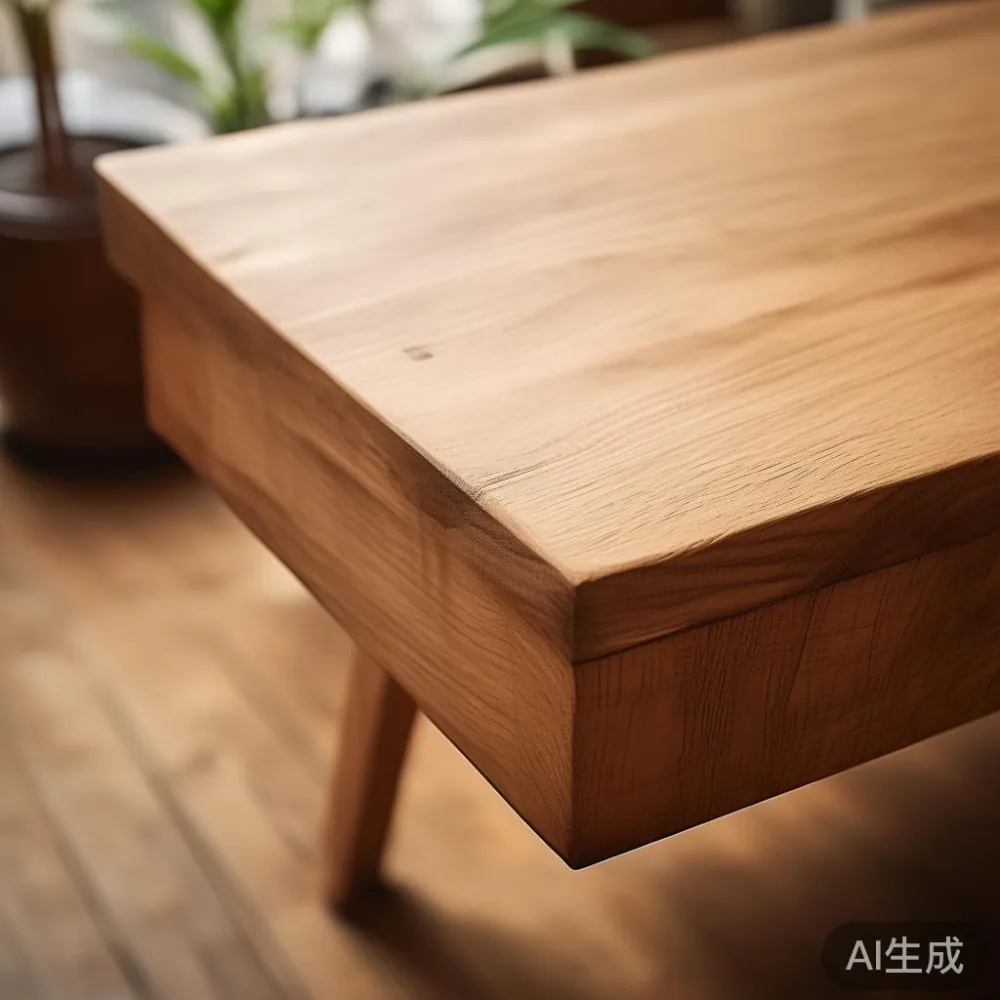
This is also a story about why boho style and humid climates get along so well. Rattan, teak, mindi, and reclaimed pine — the materials that anchor a true boho interior — were grown in tropical weather. They were stressed by moisture long before a craftsman ever touched them, which means they already know how to flex, breathe, and recover. The trick is matching the right board to the right room, and then giving it two to three weeks to settle once it sits inside your door.
Why does Southeast Asian humidity change the way boho style wood furniture behaves?
Wood is hygroscopic. It absorbs and releases water until it reaches equilibrium with the air around it, and Singapore's average relative humidity of 78 to 82 percent means indoor boards are constantly negotiating with that moisture load. A 180 cm dining table built in Foshan at 9 percent moisture content can gain 4 to 6 percent of its dry weight in water within fourteen days of arriving at a Telok Blangah address. That extra water shows up as cupping on a 25 mm tabletop, hairline splits along a bed frame rail, or a wardrobe door that swells 2 to 3 mm and stops latching. None of this is a defect. It is physics, and the boho style embrace of visible grain, knots, and natural movement is precisely why the category forgives these shifts rather than fighting them.
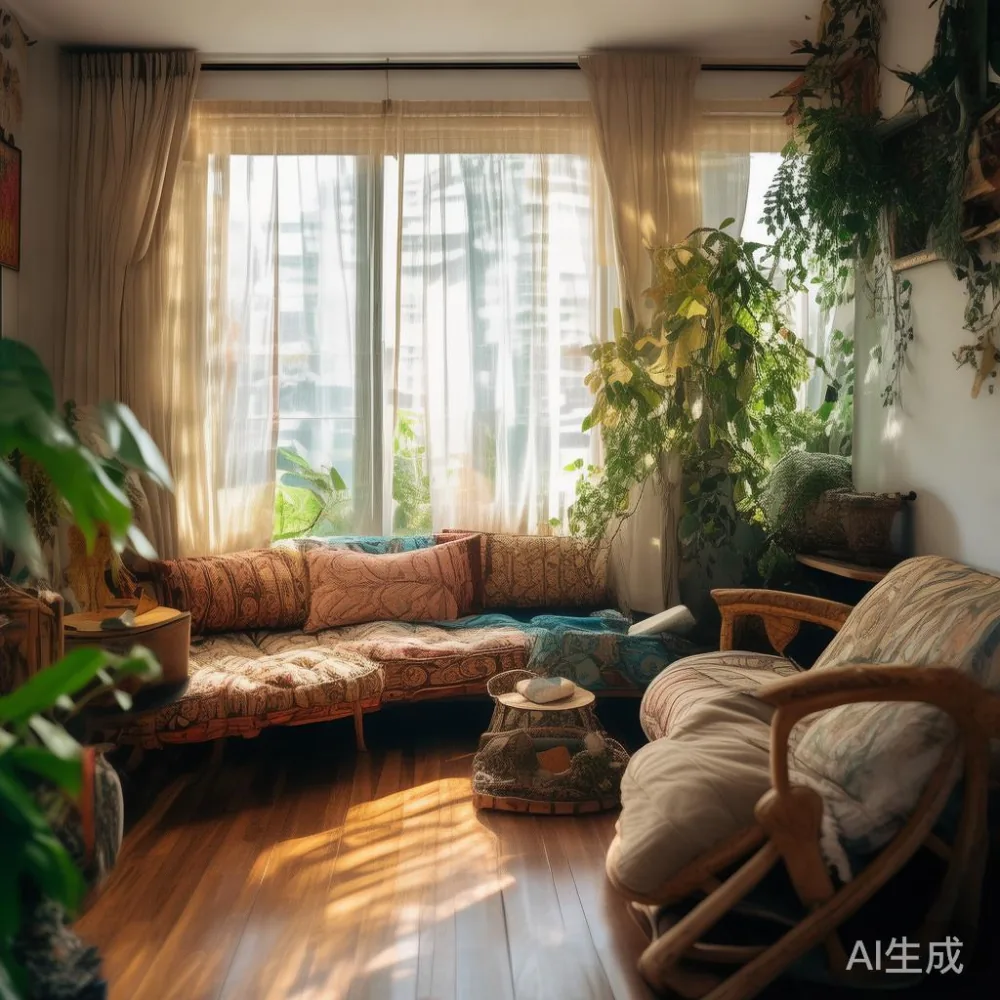
What humidity range keeps a boho style solid wood sofa and bed frame stable?
After working with humid-climate clients since 2008, the practical answer is 45 to 60 percent relative humidity indoors, with a temperature band of 22 to 27 degrees Celsius. That range is achievable in a Singapore HDB or condo because air-conditioning pulls humidity down quickly, and a small thermo-hygrometer costing around SGD 18 to SGD 28 gives you the data to act on. Below 40 percent, boards shrink and joints loosen; above 65 percent, they swell and may warp. I tested this myself last month when I visited a 92 sqm BTO flat in Punggol: the living room with the running air-con sat at 54 percent, the balcony just outside the sliding door read 81 percent, and the solid wood sofa that had been delivered nine days earlier showed zero cupping on its seat planks. The owners had simply kept the balcony door closed during the first week.
Is American country loveseat furniture worth it?
Yes — an American country loveseat is worth it for humid Singapore homes when it is built from kiln-dried solid wood with mortise-and-tenon joinery, because the design heritage assumes indoor seasonal swings similar to what your air-conditioned HDB actually produces. American country pieces also pair naturally with the boho style palette of linen, jute, and unglazed terracotta, and they tend to use thicker 4 to 5 cm legs that lift the seat above floor-level dampness. At MIDHILL we frame this category as part of our American light luxury range, where the silhouettes are relaxed but the cabinet work stays disciplined. If you are weighing a loveseat between SGD 1,650 and SGD 2,400, look for dovetailed drawers, full-width corner blocks, and a factory moisture reading between 8 and 12 percent — that last number is the single best predictor of how the piece will behave in your Tampines living room.
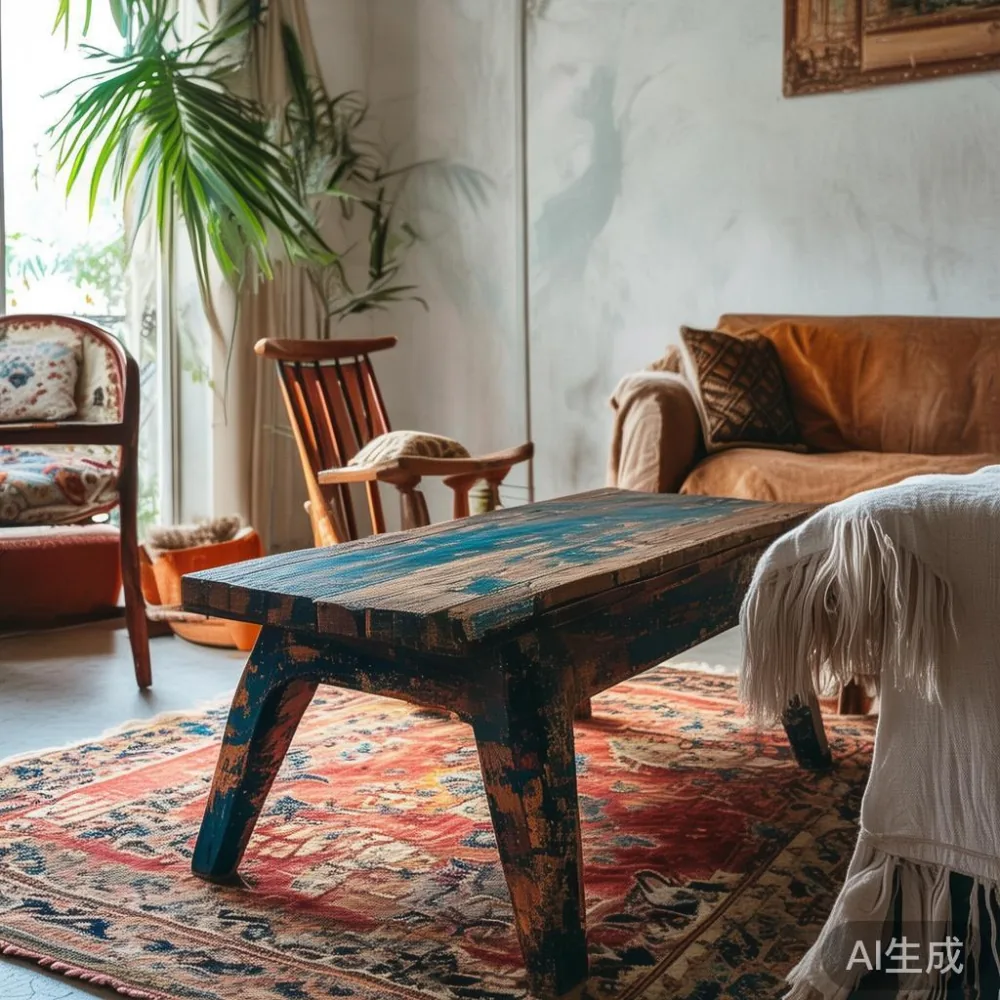
How do lift and corridor dimensions in HDB flats shape the furniture you can actually buy?
Singapore's residential logistics are unusually specific, and ignoring them is how a 240 cm wardrobe ends up stranded on a ground-floor loading bay. Standard HDB lifts are about 1.1 m wide by 1.4 m deep with a 2.1 m door height, and corridors run 1.2 to 1.5 m wide. A boho style wardrobe wider than 110 cm usually has to be delivered flat-packed or split into two cabinets, which is why MIDHILL offers a free split-pack option on any wardrobe above 100 cm. Bed frames ship better because the headboard and side rails detach; a king-size 180 by 200 cm frame fits through a standard lift once the headboard is unscrewed, a process that adds roughly 25 minutes on site. Marble tables are the trickiest — a 140 cm round marble top weighs 95 to 110 kg and is almost never lift-friendly, so we typically supply those tops in two halves with a hidden seam, then assemble in the bedroom or dining room. Plan an extra 30 to 45 minutes of on-site time and around SGD 60 to SGD 120 for the manual carry-up if your block has no service lift.
What does a moisture-aware delivery look like from Foshan to your door?
From order confirmation to doorstep in Singapore, the journey takes 18 to 28 days by sea plus 3 to 5 working days for last-mile delivery inside mainland Singapore, and every step is engineered around humidity control. Boards are kiln-dried to 8 to 12 percent moisture content, wrapped in 0.05 mm PE film with silica-gel desiccant packs (two 50 g sachets per cubic foot of crated volume), and crated in fumigated plywood that passes ISPM 15. On arrival, our local team unloads into a 28 degrees, 55 percent humidity holding warehouse in Jurong for 48 hours so the wood can equalise before the truck heads to your home. Free shipping kicks in above US$350, which is roughly SGD 480, and below that threshold delivery is a flat SGD 80 within mainland Singapore. GST is calculated at 9 percent on the landed value, and a 14-day return window covers any manufacturing defect — not humidity-related movement, which is environmental and reversible.
How should you acclimate a new boho style dining table once it arrives?
Give it two to three weeks of living in the room where it will stay, with the factory wrapping loosened but not fully removed for the first seven days. Keep the table 15 to 20 cm away from air-con vents and at least 30 cm from any glass partition that channels afternoon heat, because the temperature delta across a 200 cm top can reach 4 degrees Celsius and that gradient is what triggers uneven drying. If you bought a marble table, the stone top is dimensionally stable, but the wooden base still needs the same breathing room — the stone simply hides the wood's movement instead of eliminating it. Wipe with a damp (not wet) microfibre cloth weekly, and rub a thin coat of hard wax oil into the surface every four to six months; a 500 ml tin costs about SGD 38 and covers six to eight applications on a standard 180 cm dining table.
Which wood species handle Singapore's climate most gracefully?
From the workshop floor I would rank them this way for a boho style interior: Burmese teak first, because its natural oils resist moisture cycling and a 25 mm teak plank shows minimal movement across a 30 percent humidity swing; Mindi (white cedar) second, the workhorse of our post-modern light luxury line, light enough at 540 kg per cubic metre to keep a queen-size bed frame under 55 kg total; North American walnut third, beautiful but demanding — it wants 50 to 55 percent humidity or it will check on the end grain; and reclaimed pine last in this ranking only because its irregular density rewards experienced owners who accept visible patina. Mango and acacia, both common in boho style pieces sourced from regional suppliers, perform adequately but need consistent indoor conditions more than the others.
What does lifetime refinishing actually cover?
Our lifetime refinishing service means our Singapore-side workshop will collect your piece, strip the old finish, sand to 180 grit, and reapply hard wax oil at no labour cost — you pay only the return delivery (about SGD 120 within mainland Singapore) and the finishing materials (around SGD 45 to SGD 75 depending on surface area). The 10-year structural warranty sits on top of that, covering joint failure, rail cracking, and drawer-slide defects, while refinishing handles the cosmetic layer that humidity and sunlight inevitably wear. I have seen a six-year-old solid wood sofa returned to what looked like new condition in eight working days, which is the kind of lifespan data that justifies choosing solid construction over the cheaper engineered-core alternatives you find on SGD 600 to SGD 900 promotional listings.
How do you style a humid-climate boho interior without inviting mould or mildew?
Keep textiles washable, leave 8 to 10 cm of air gap behind every wardrobe and nightstand, run a dehumidifier set to 55 percent in bedrooms for four to six hours daily, and avoid placing solid wood pieces directly against an external wall that sweats during monsoon bursts. Linen slips, jute rugs with rubber backing, and unglazed ceramic lamps all belong in the boho style vocabulary and all tolerate humidity swings; wall-to-wall carpet and closed-back upholstered headboards do not. For a 120 sqm HDB, a 12-litre dehumidifier running six hours a day adds roughly SGD 18 to SGD 24 to your monthly electricity bill, a small price for keeping a SGD 2,800 dining table and a SGD 1,900 bed frame looking the way they did on the day they arrived from Foshan.
Frequently asked questions from Singapore customers
Will my boho style wardrobe doors warp in a Punggol HDB? Not if the factory moisture content is 8 to 12 percent and you keep indoor humidity between 45 and 60 percent. Add a 2 to 3 mm door-rebate adjustment during the first three months if you notice rubbing.
Can a French neoclassical bed for rental properties survive tenant turnover and tropical weather? A French neoclassical bed for rental inventory holds up well when built from kiln-dried teak or mindi with a sealed hard-wax finish, because the carved detailing tolerates light scuffs and the wood underneath resists the humidity spikes that come from opened windows and absent air-conditioning during vacancy periods.
How long does a marble table last in a condo? Properly sealed marble in a climate-controlled condo easily outlasts 20 years of daily use; reseal the surface every 18 to 24 months with a penetrating sealer costing around SGD 55 per litre.
What is the smartest first boho style purchase for a new BTO? Most of our Tampines and Sengkang customers start with a 180 cm dining table or a queen-size bed frame, because those two pieces anchor the daily routine and let the rest of the room — a rattan armchair here, a reclaimed-wood nightstand there — be added gradually as budget allows.
Humidity in Southeast Asia is not an enemy of solid wood furniture; it is simply a parameter to design around. Pick the right species, demand the right factory moisture reading, give the piece two to three weeks to settle, and your boho style interior in Tampines, Bedok, Punggol, or anywhere else on the island will look as considered in year eight as it did on delivery day. MIDHILL has been shipping into this climate since 2008, and the pieces that come back for refinishing after a decade almost always belonged to owners who treated those first quiet weeks as part of the furniture itself.