The True Cost of Style: Veneer vs. Solid Wood Over 5 Years
Choosing furniture for a Singapore home is a balance of aesthetics, practicality, and long-term value. For those embracing the free-spirited, eclectic nature of boho style, the materials selected form the very foundation of the living space. A common dilemma arises when comparing the upfront price of veneer furniture against the perceived investment of solid wood. This article provides a detailed 5-year cost comparison, using concrete figures from the Singapore market to help you make an informed decision for your HDB flat or condo.
Understanding the Materials: Veneer and Solid Wood
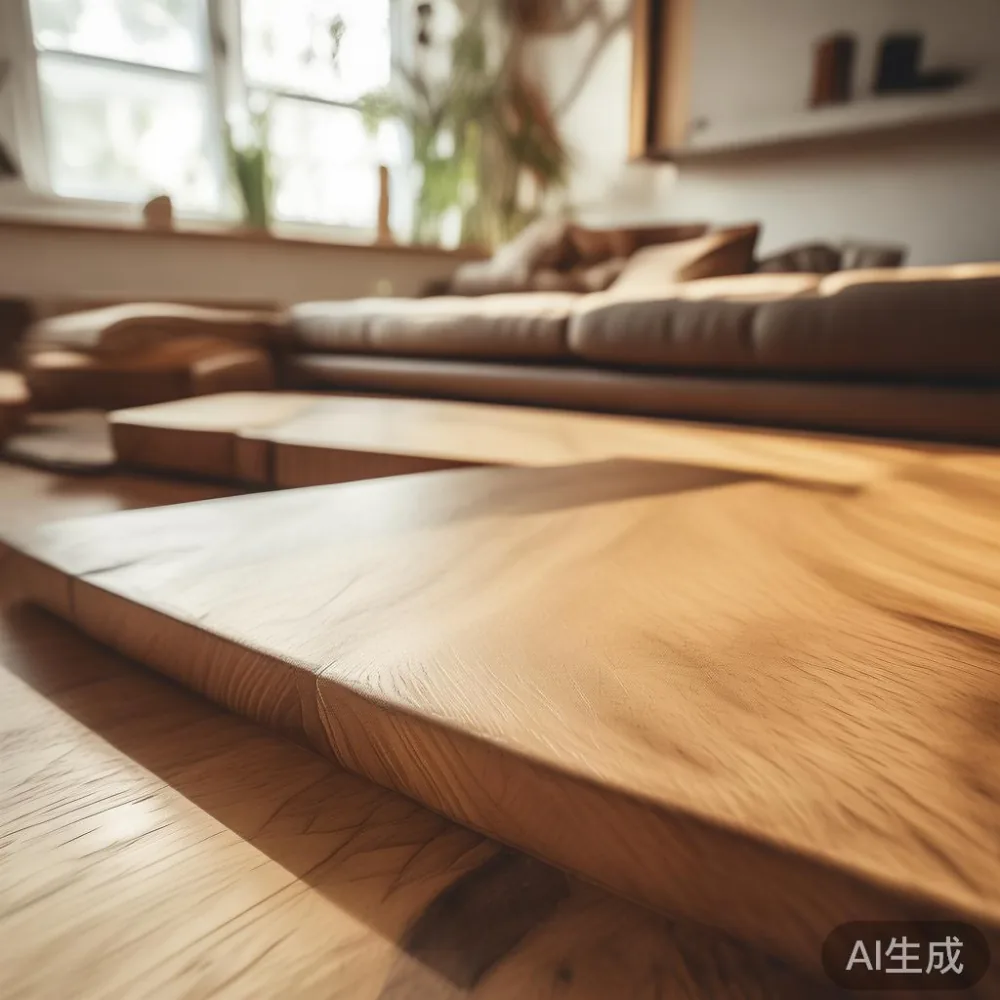
Veneer furniture is constructed from a thin layer of real wood, often as thin as 0.6mm, glued over a substrate like MDF (Medium-Density Fiberboard) or particleboard. This core material is engineered from wood fibers and resin, offering a stable and often lightweight base. The visible wood layer provides the aesthetic appeal of natural grain without the cost of a solid piece. Solid wood furniture, on the other hand, is crafted from a single, solid piece of lumber, typically hardwoods like oak, teak, or mango. The entire structure, from the legs to the tabletop, is made from this solid material, giving it a substantial feel and inherent durability.
The 5-Year Financial Breakdown: A Singaporean Perspective
To understand the real cost, let's create a hypothetical scenario for a typical Tampines HDB 4-room flat. We will compare a veneer set with a solid wood set, factoring in purchase price, maintenance, and potential replacement costs over five years. All prices are in SGD and include Singapore's 9% GST.
Initial Purchase (Year 0)
For a living room, dining area, and bedroom, a veneer set might include a sofa, dining table, and bed frame. A solid wood equivalent would be of similar design but constructed from solid timber.
Veneer Set:
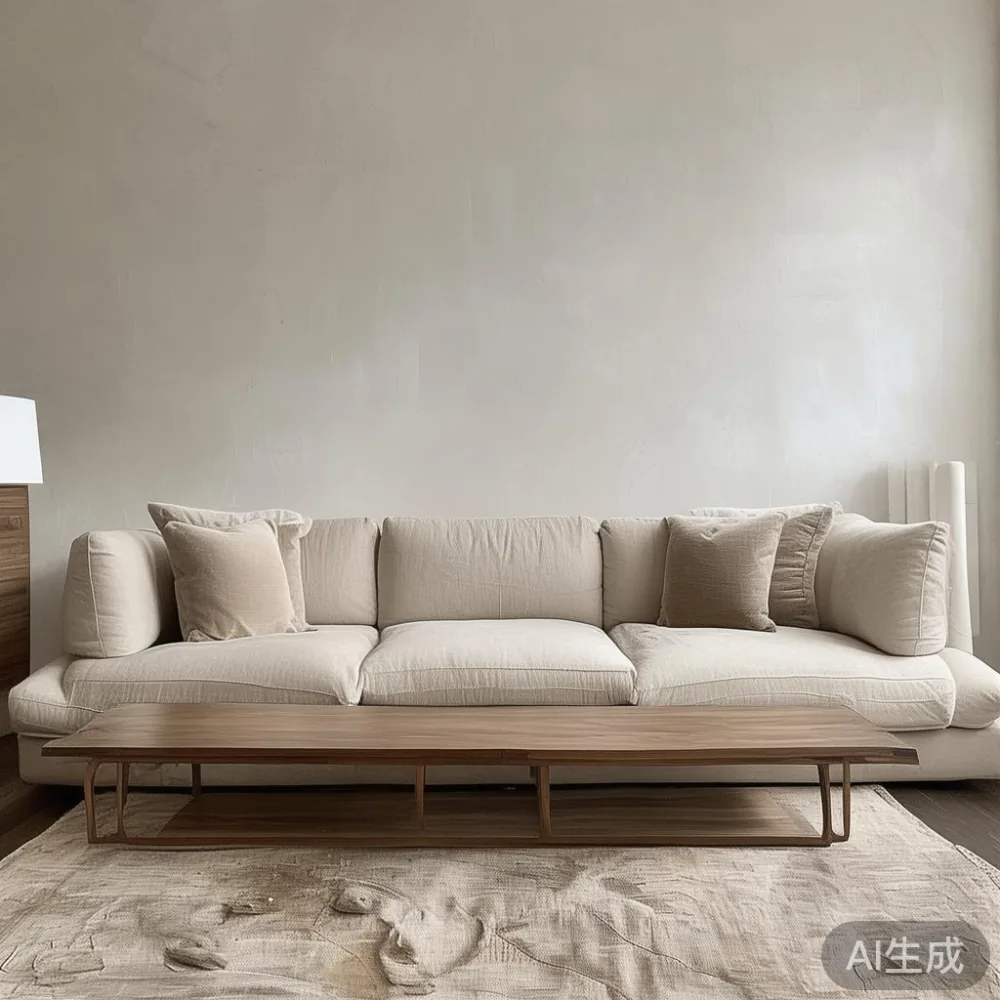
- Sofa (L-shaped, fabric upholstery): SGD 1,500
- Dining Table (seats 6, with faux marble top): SGD 800
- Bed Frame (queen size, with storage): SGD 1,200
- Wardrobe (sliding doors, MDF core): SGD 1,000
- Total Initial Cost: SGD 5,500
Solid Wood Set:
- Solid wood sofa (L-shaped, fabric upholstery): SGD 3,500
- Solid wood dining table (seats 6, with solid wood top): SGD 2,200
- Solid wood bed frame (queen size, with storage): SGD 2,800
- Solid wood wardrobe (sliding doors, solid wood core): SGD 3,500
- Total Initial Cost: SGD 12,000
The initial investment for solid wood is more than double that of the veneer option, a significant upfront difference.
Yearly Maintenance Costs (Years 1-5)
Maintenance is where the costs diverge over time. Veneer requires careful handling to prevent the thin layer from chipping or peeling, especially at the edges. Solid wood is more forgiving but benefits from periodic care to maintain its lustre.
Veneer Maintenance:
Yearly, you might need to purchase a specific wood polish or repair kit for minor scratches. A good quality polish costs around SGD 40. If the sofa fabric needs cleaning, a professional service could cost SGD 150 every two years.
Solid Wood Maintenance:
Solid wood requires regular oiling or waxing to protect the wood from Singapore's humidity. A high-quality wood oil costs SGD 60 and should be used once a year. The same professional sofa cleaning service applies.
Incidental Repair and Replacement Costs (Years 1-5)
This is the most critical area where the long-term cost becomes apparent. Minor accidents are inevitable in any home.
Veneer Scenario:
In Year 3, a heavy vase is accidentally knocked against the edge of the veneer dining table. The thin wood layer chips away, exposing the MDF underneath. Repairing this is difficult and often looks mismatched. A professional repair service might charge SGD 300, but the result is rarely perfect. By Year 5, the veneer on the wardrobe door starts to bubble near a handle due to humidity changes, requiring replacement of the entire door panel at a cost of SGD 400.
Solid Wood Scenario:
In Year 3, the same vase hits the solid wood dining table. It will likely leave a dent or scratch, which can be sanded down and re-oiled. The cost for this repair is SGD 100 for materials and your own time. The structural integrity remains completely intact. By Year 5, the solid wood wardrobe shows no signs of delamination or bubbling. It may have minor surface wear, which adds to its character, but its core is as strong as the day it was purchased.
Total 5-Year Cost Summary
Let's tally the numbers. We'll assume a conservative repair cost for veneer and minimal for solid wood.
Veneer Total Cost:
- Initial: SGD 5,500
- Maintenance (5 years x SGD 40 polish + 2 cleanings x SGD 150): SGD 700
- Repairs (table chip + wardrobe bubble): SGD 700
- Total: SGD 6,900
Solid Wood Total Cost:
- Initial: SGD 12,000
- Maintenance (5 years x SGD 60 oil + 2 cleanings x SGD 150): SGD 900
- Repairs (table scratch): SGD 100
- Total: SGD 13,000
On paper, veneer still appears cheaper over five years. However, this calculation misses a key factor: the lifespan and replacement cycle. Veneer furniture often reaches the end of its useful life in 5-7 years. The MDF core can sag, and the veneer may fail completely. At that point, the entire set would need to be replaced, adding another SGD 5,500 to the cost. Solid wood furniture, with proper care, can last for decades. The 5-year cost of veneer is SGD 6,900, but the 10-year cost could be SGD 12,400 (if replaced once). The 5-year cost of solid wood is SGD 13,000, and its 10-year cost might only increase by another SGD 900 in maintenance, making it significantly more economical in the long run.
How do I style a sofa guide in a modern Singapore home?
Styling a sofa in a modern Singapore home is about creating a focal point that balances comfort with a curated, lived-in aesthetic. Start by choosing a sofa with clean lines in a natural material like linen or cotton to complement the light and airy feel of local spaces. Layer it with textured cushions and throws in earthy tones—think terracotta, olive green, and cream—to inject the free-spirited essence of boho style. Position the sofa to face a key feature, like a window with a view in Punggol or a media console, and use a low-slung marble table or a woven jute pouffe as a side table to add both function and texture.
Practicalities for Singapore Living: Space and Durability
Singapore homes, whether HDB flats in Bedok or condos with narrow corridors, demand furniture that is both beautiful and practical. Solid wood furniture offers superior structural integrity. A solid wood wardrobe, for example, will not sag or warp over time, ensuring smooth operation of its doors for years. This is a critical consideration for storage solutions in smaller homes. Veneer furniture, especially with particleboard cores, is susceptible to moisture damage. Singapore's high humidity can cause the core to swell, leading to doors that stick or drawers that jam. Also, moving solid wood furniture requires more care due to its weight, but its sturdiness means it can withstand the occasional bump during relocation better than a veneer piece, which can suffer irreparable cosmetic damage.
A Real-World Experience: From Showroom to Living Room
Last month, I visited a client in her Bedok condo to help her finalise some furniture choices. She had initially been drawn to a sleek, veneer Italian light luxury TV console australia style unit for her living room. It was undeniably beautiful and fit her budget. However, when we placed it in her space, the light from the window highlighted several areas where the veneer seam was visible. More concerning, she mentioned her young son often uses the console as a climbing point to reach the TV. I explained that while the veneer might look perfect now, a single hard knock could cause it to chip, revealing the cheaper substrate underneath. We ultimately opted for a solid wood console from a maker like MIDHILL. It was a larger upfront cost, but the peace of mind and the knowledge that it could withstand the rigours of family life made it the clear choice for her long-term happiness with the piece.
The Boho-Style Philosophy: Material as a Storyteller
Boho style is not just about arranging objects; it's about curating an environment that tells a story of authenticity and natural beauty. Solid wood furniture embodies this philosophy. Each piece is unique, with its own grain, knots, and character that develops a rich patina over time. A solid wood dining table becomes a centrepiece, gathering the stories of family meals and conversations. Veneer, while capable of mimicking wood's appearance, lacks this soul. It is a reproduction, a flat surface that cannot age gracefully in the same way. For the truest expression of boho style, which celebrates natural and handcrafted elements, solid wood is the authentic choice. It connects the occupant to the material in a way that mass-produced veneer simply cannot.
Making the Right Choice for Your Home
The decision between veneer and solid wood is ultimately a personal one, based on your budget, lifestyle, and design goals. If you are a renter or plan to move frequently and prefer to update your look every few years, veneer might be a suitable, short-term solution. However, for homeowners, especially those in Singapore, investing in high-quality solid wood furniture is a decision that pays dividends in durability, longevity, and timeless style. The higher initial cost is offset by decades of use, avoiding the cycle of replacement and the hidden costs of repairs. In a place like Singapore, where our homes are our sanctuaries, choosing furniture that can withstand the test of time and humidity is a wise investment in your quality of life.