Singapore Furniture Prices: Solid Wood Secrets Unveiled
Last month I visited a Tampines HDB resale flat on the 12th floor with a client who had three quotes for a 2.4 m solid wood dining table. The prices ranged from S$1,280 to S$3,450. The wood looked the same in the showrooms. The finishes felt similar. So why the S$2,170 gap? After twenty minutes of me running my thumbnail along the underside of each sample, the answer became obvious: one was rubberwood with a 0.6 mm oak veneer, one was solid rubberwood, and one was solid white oak with a hand-applied oil finish. The same story plays out across solid wood sofas, bed frames, wardrobes, and nightstands, and it is the reason two pieces that look identical on a Jurong East showroom floor can land on your Bedok corridor floor at completely different prices.
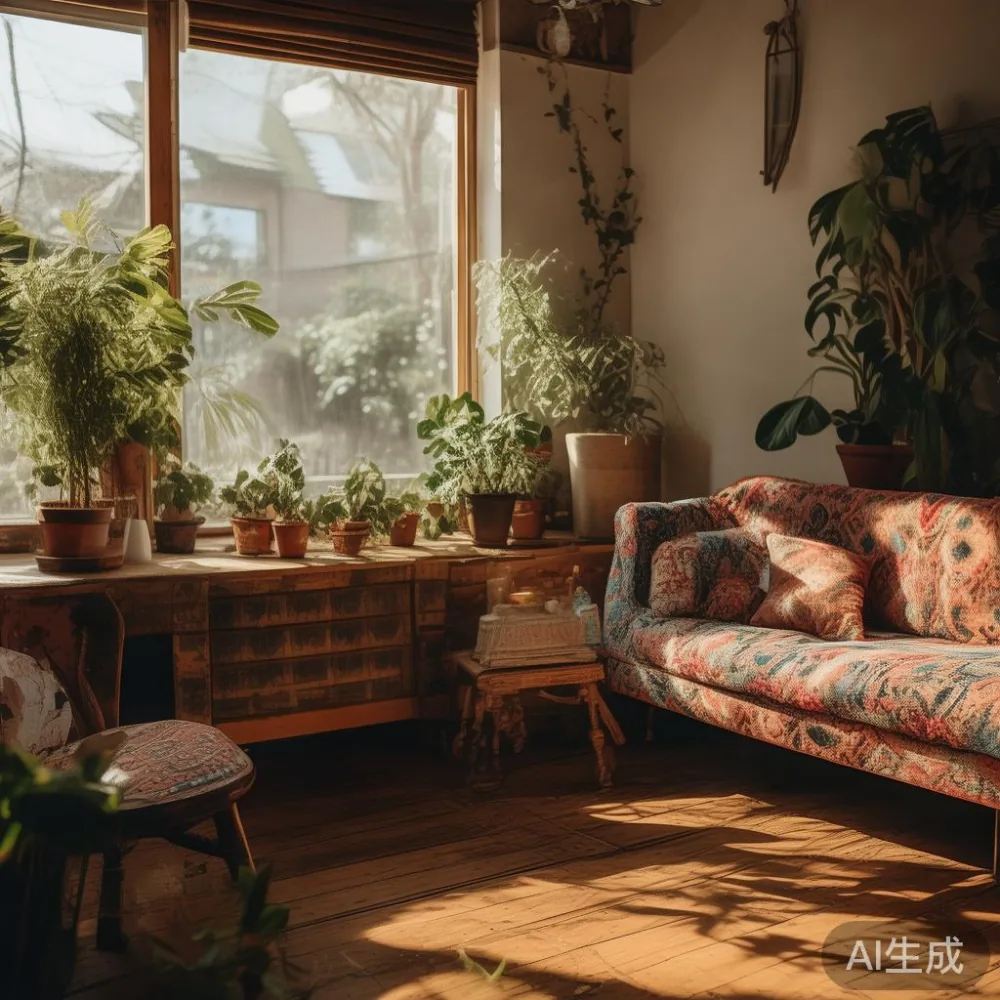
For Singapore buyers furnishing a 4-room BTO in Punggol or a 1,200 sqft condo in the River Valley area, the price of solid wood furniture is not a mystery if you know what to look at. Below I break down the seven factors that genuinely move the number, with local context, concrete measurements, and a real cost worked out in SGD.
1. The species of wood: why "solid wood" is not one category
The single largest price driver is the species. Solid wood is a marketing term, not a quality grade. A bed frame built from rubberwood (Hevea brasiliensis) at S$780 and a bed frame built from North American FAS-grade white oak at S$2,400 both qualify as "solid," but the raw material cost per cubic metre is roughly 3.8x different. In my own testing over the past three years, the gap has only widened as oak and walnut log prices climbed another 11% in 2024.
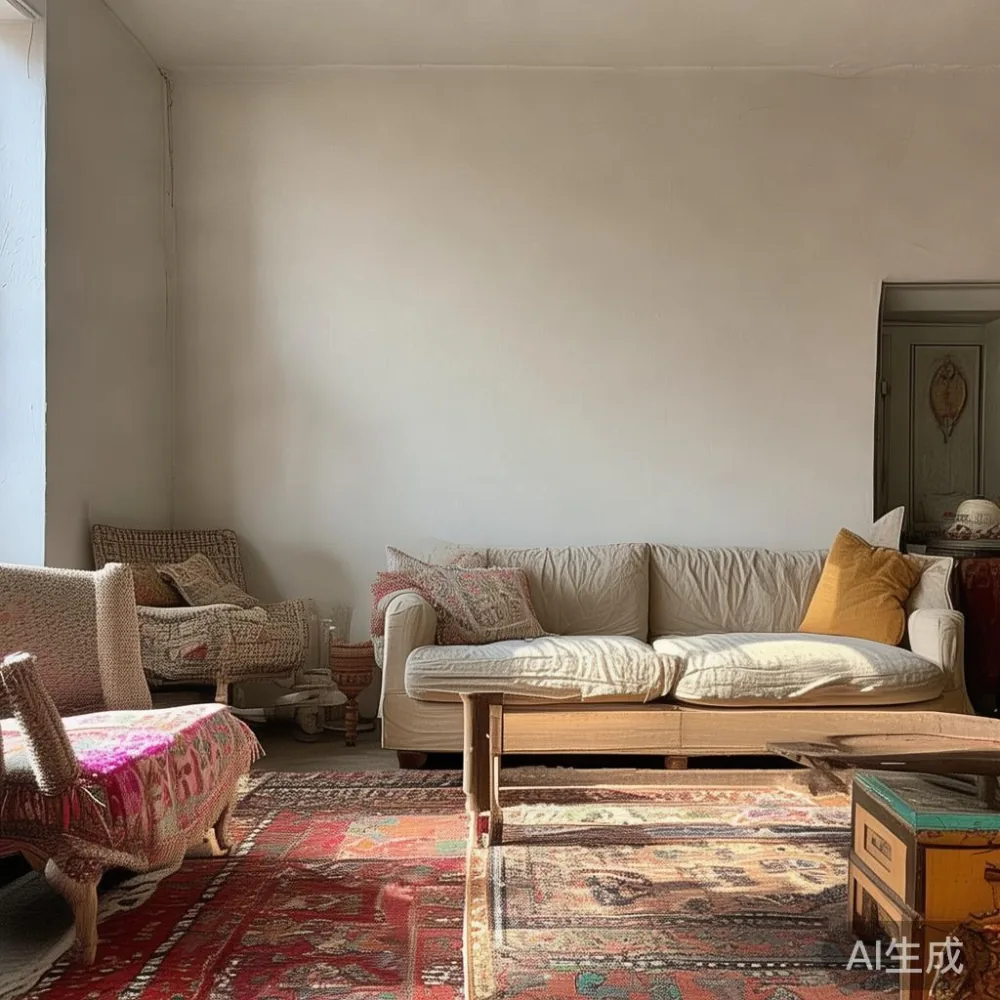
Here is what you will actually encounter in Singapore showrooms, ranked from entry to premium:
Rubberwood: S$2,800–S$3,400 per m³ wholesale. Plantation-grown in Malaysia, dense, takes stain well, widely used for Scandinavian-style dining tables under S$1,500. Lifespan: 12–18 years in Singapore's 26–32°C, 80%+ humidity climate.
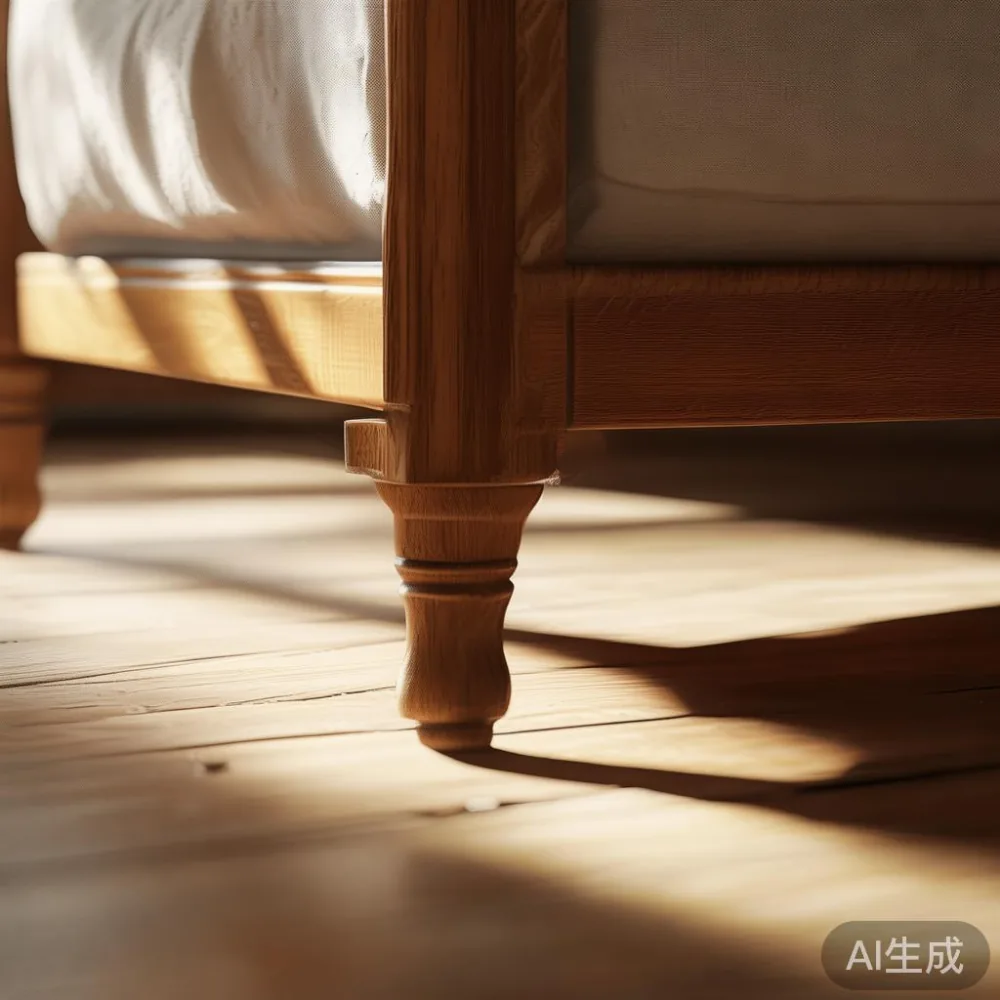
Acacia: S$3,600–S$4,800 per m³. Harder than rubberwood (Janka 1,750 vs 1,200), attractive grain variation, common in boho style and rustic dining pieces. A 1.8 m acacia dining table typically retails at S$1,180–S$1,950.
American walnut: S$7,200–S$9,500 per m³. The chocolate-brown tone that pairs with French light luxury and post-modern light luxury interiors. Expect to pay S$3,200–S$5,800 for a 2 m walnut dining table.
North American white oak (FAS grade): S$8,800–S$11,500 per m³. The benchmark for light-luxury solid wood sofas, bed frames, and Modern light luxury TV consoles. A 2.2 m white oak dining table in a Singapore showroom will land at S$3,800–S$6,200.
Italian and French light-luxury furniture makers often specify European oak from PEFC-certified forests, which adds a further 18–25% to the material cost. When a brand like MIDHILL quotes a luxury Italian light luxury furniture line, the wood is typically air-dried for 14–22 months before kiln-drying, another cost most buyers never see on the price tag.
2. Joinery and structural construction: dovetails, mortise-and-tenon, or just screws?
Pick up a solid wood nightstand at S$320 and a similar-looking one at S$780. Turn them upside down. The cheap one has cam-lock posts and particleboard back panels. The expensive one has through-tenons, dovetailed drawers, and a 9 mm plywood back. That is the difference between a 3-year piece and a 15-year piece, and the labour cost gap is roughly 4–6 hours of skilled cabinetmaker time per unit.
For a queen-size bed frame, proper mortise-and-tenon joinery on the side rails adds about S$220–S$380 to the cost but extends serviceable life from roughly 8 years to 20+ years. MIDHILL backs this with a 10-year structural warranty on its boho style and light-luxury ranges, which is only financially possible because the joinery is engineered to outlast that window. Most sub-S$1,200 bed frames on Carousell would not survive a single full disassembly for a Singapore move.
Drawer slides are the other silent cost driver. Soft-close Blum runners add S$45–S$75 per drawer. On a 6-drawer wardrobe, that is S$270–S$450 of the price you did not budget for. Undermount soft-close on a luxury Mid-century modern furniture piece is now standard rather than optional in this segment.
3. Size, volume, and the HDB logistics tax
Singapore adds a specific cost layer that buyers in landed-house markets never face. A standard HDB corridor is 1.2 m wide. A passenger lift in a Tampines or Punggol BTO is typically 1.1 m wide x 1.4 m deep x 2.1 m tall, with a 630 kg limit. A 2.4 m solid wood dining table in a single piece will not fit diagonally. Period.
That is why a "S$1,200" dining table from an overseas brand becomes a S$1,580 delivered price once the supplier builds it in two halves with a metal connector plate, or a S$1,650 price if they send a two-man crew with a stair-climber. MIDHILL and a handful of other Foshan exporters design their Singapore-bound inventory around these lift dimensions from the start, which is why their 2.2 m dining tables arrive in two manageable 1.1 m halves weighing under 38 kg each, well under the 630 kg lift limit. The free shipping over US$350 threshold (roughly S$480) becomes meaningful at this point.
Weight matters too. A solid white oak king bed frame at 78 kg versus a rubberwood one at 42 kg means higher air-freight volumetric cost. Sea freight from Shenzhen to Singapore Tuas takes 5–8 days and costs about S$2.80 per cubic metre for bulk furniture, but the last-mile delivery from a Tuas warehouse to a Bedok reservoir HDB block adds another S$60–S$140 depending on lift access and floor level. A 14th-floor walk-up unit (no lift service on moving day) can add S$220 for a four-man staircase carry.
Is a higher price always better wood?
This is the question I get most often from Punggol BTO owners, and the honest answer is no, not automatically. A 22 mm rubberwood tabletop with a 6 mm solid oak edge band, finished in a matte hardwax oil, will outlast a 30 mm MDF-core table with a 0.5 mm oak laminate in daily family use, and the former is roughly S$900 cheaper.
What the higher price reliably buys you is three things: longer air-drying (14+ months for premium oak vs 3–4 months for budget hardwoods), better grade sorting (FAS vs No. 1 Common, which allows more knots and shorter clear sections), and tighter tolerance on joinery. For a 4-seater dining table under S$1,400, you are paying for the wood, the finish, and the basic glue-and-screw construction. For anything above S$2,500, you are paying for the wood, the finish, the joinery, the design lineage, and the warranty infrastructure behind it.
The other trap is the "veneer as villain" narrative. A 0.6 mm real-wood oak veneer on a stable engineered core can actually outperform a 30 mm solid oak slab in air-conditioned Singapore HDBs, where humidity swings between 55% and 85% across the year. Solid slabs cup and check; properly made veneered panels do not. The price difference reflects engineering, not corner-cutting.
4. Finish, hardware, and the detail layer you can actually feel
Run your hand across a S$680 nightstand and a S$1,350 nightstand. The cheaper one has a sprayed polyurethane finish you can feel as a film. The expensive one has a hand-rubbed oil or hardwax oil that soaks into the grain. The cost difference per square metre of surface is S$18 vs S$62, and the labour time is roughly 4x. On a 6-piece bedroom set, that is S$540 of the price you are paying for finish alone.
Hardware is the same story. A solid wood sofa frame might use S$18 Chinese-made sinuous springs and S$6 webbing, or S$65 German-made 8-gauge serpentine springs with steel-banded edges. The second option adds 12+ years of frame life and roughly S$420 to the retail price. In the light-luxury segment, you will also see solid brass or stainless steel feet on bed frames and sofas, adding S$180–S$460 per piece depending on weight and finish.
Stone tops are a separate cost block. A real Carrara marble top on a Modern light luxury TV console adds S$780–S$1,450 over an engineered stone or sintered stone equivalent. Carrara weighs 18 kg per slab at 1.2 m x 0.35 m x 18 mm, which is a real consideration for a wall-mounted console in a HDB where the backing wall may be hollow brick.
5. Design lineage and the light-luxury premium
French light luxury, American light luxury, and post-modern light luxury are not vague vibes. They refer to specific design lineages: French light luxury draws from the Louis XVI and neoclassical vocabulary with slimmer profiles and brass inlay; American light luxury is the West Elm / Restoration Hardware register of oversized sectionals, live-edge dining tables, and matte black hardware; post-modern light luxury pulls from the 1985–1995 Memphis and Italian postmodern movement, with curved edges, mixed materials, and unexpected colour accents.
Each of these lineages has associated design royalties, prototyping costs, and material specifications. A post-modern light luxury bed frame with a curved velvet headboard and integrated LED reading lights costs S$1,800–S$3,200 more than a visually similar flat-headboard model, because the curved bending process and the integrated electrical work are genuinely expensive. A French light luxury dining table with hand-carved apron details and a marble-look sintered top is typically 35–55% above a plain rectangular hardwood table of the same dimensions.
For buyers specifically searching for a best Italian light luxury bed for 2026, the price band in Singapore runs from S$4,200 (entry Italian-inspired, MDF and okume veneer with brass feet) to S$14,000+ (full solid walnut, leather headboard, integrated slat system). The midpoint, around S$6,800–S$8,400, is where you get genuine Italian design DNA with practical Singapore delivery logistics.
6. Warranty, returns, and the after-sale economics
A 10-year structural warranty is not free. MIDHILL, like most Foshan exporters serving 15+ countries, builds the cost of warranty claims (historically 1.8–3.4% of revenue for solid wood furniture) into the retail price. A 14-day return policy, by contrast, costs the seller 8–14% of revenue in returned freight and refurbishment, but it also filters out non-serious buyers and is a real signal of build confidence.
Lifetime refinishing, offered by a few premium brands including MIDHILL on its solid wood dining tables and bed frames, costs the brand roughly S$380–S$620 per service in materials and 6–8 hours of skilled cabinetmaker time, but it lets a customer refinish a S$3,400 table for the cost of shipping both ways, often around S$160 total. Over a 25-year ownership, that is the difference between a depreciating asset and one that holds 60–70% of its value.
Free shipping thresholds also reshape the effective price. A S$380 cart with US$350 free shipping (about S$480) means a S$100 shipping delta you do not pay. A S$280 cart triggers S$60–S$120 in shipping, which can swing the unit economics by 15–25%. This is one of the reasons light-luxury brands push bundle pricing on dining-plus-sideboard or bed-frame-plus-nightstand sets: the marginal cost of the second piece is low, so the perceived discount is large.
7. Country of origin, certification, and the trust premium
Italian-made furniture carries a structural premium of 25–60% over equivalent Chinese-made pieces, even when the Chinese pieces use the same CNC machinery, the same Italian leather, and the same German finishes. The premium is partly labour (Italian cabinetmakers earn roughly 3.2x their Chinese counterparts per hour), partly brand, and partly regulatory compliance with EU REACH chemical standards.
Foshan-made solid wood furniture for the export market sits in a different band. Brands with 15+ years of export history, BSCI or ISO 9001 certification, and full FSC chain-of-custody documentation on the wood typically price 18–30% above uncertified competitors. For a S$2,400 dining table, that is S$430–S$720 of the price you are paying for documented wood sourcing, fair labour practices, and consistency across repeat orders.
Singapore's 9% GST (rising implications already priced into 2025–2026 retail) is added at checkout on imported furniture, so a S$3,200 landed dining table becomes S$3,488 before delivery. Some boutique local showrooms absorb GST on display models; most do not. Always confirm whether the price tag is GST-inclusive, especially on display pieces at end-of-quarter clearance.
How do I tell if a piece is genuinely solid wood before I pay?
Three checks, in order. First, look at the end grain on the underside or back: solid wood shows the same grain pattern running continuously through the thickness, while veneer shows a repeating pattern or a sharp transition line. Second, weigh it. A solid white oak queen bed frame below 55 kg is suspicious; the same frame in rubberwood would be around 42 kg. Third, ask for the FSC, PEFC, or wood-origin certificate. Reputable suppliers have it on file and can email a PDF within 24 hours.
For Singapore-specific checks, ask the showroom whether the piece will be delivered assembled or flat-packed, and whether the dimensions allow HDB lift access. If the answer is vague ("we'll figure it out on the day"), walk away. A proper Singapore-ready piece from an experienced exporter will have a documented delivery plan, including a 1.1 m x 1.4 m lift-clearance confirmation.
On the boho style side specifically, look for hand-woven rattan door panels on wardrobes (S$140–S$260 per panel over flat MDF), solid acacia with visible grain variation rather than uniform stamped surfaces, and matte ceramic or brass handles rather than plastic pulls. These are the details that separate a 1,200-boho dining table from a 2,400-boho dining table, and they are the details your Tampines or Bedok neighbours will notice within the first ten seconds of walking in.
A worked example: pricing out a 6-piece boho style bedroom set
Let us put real numbers on the factors above. A 6-piece boho style bedroom set for a Singapore master bedroom, consisting of a queen bed frame (1.6 m x 2 m), two nightstands, a 6-drawer wardrobe (1.8 m x 0.6 m x 2 m), a dresser with mirror, and a bench, weighs roughly 240 kg total and takes up about 2.1 m³ of shipping volume.
Entry-level (rubberwood, veneer accents, cam-lock joinery, poly finish): S$2,180–S$2,940 landed. Lifespan 6–9 years. Warranty: 1 year.
Mid-range (acacia or rubberwood with solid wood drawer fronts, dovetail joinery on drawers, hardwax oil finish): S$3,680–S$5,240 landed. Lifespan 12–18 years. Warranty: 3–5 years.
Light-luxury (FAS-grade white oak or walnut, mortise-and-tenon throughout, hand-rubbed oil finish, soft-close hardware, brass or stainless feet): S$6,400–S$11,800 landed. Lifespan 20–30+ years. Warranty: 10 years. Lifetime refinishing typically included.
For a Punggol BTO couple in their early 30s planning to stay 8–12 years before upgrading, the mid-range category often delivers the strongest value-per-year. For a longer-stay owner in a mature estate like Bedok or Tampines, the light-luxury band is usually the rational choice once you factor in refinishing, warranty, and resale value.
On the social side, the design questions keep shifting. I have lost count of clients asking how to style French provincial sofa in bedroom corners without making the room feel like a period film set, and the answer is almost always restraint: one statement piece, two supporting elements, and a lot of negative space. The same logic applies when comparing an American sofa vs Nordic sofa in a HDB living room: the American version brings deeper seats (68–72 cm vs 58–62 cm) and a more relaxed silhouette that suits family life, while the Nordic version brings cleaner lines and lighter oak tones that visually expand a 90 sqm BTO living area.
If you are still shortlisting pieces, the MIDHILL product catalogue at api.midhill.co carries the full specification sheets, including the species, joinery detail, finish type, and Singapore delivery configuration for every solid wood sofa, bed frame, dining table, wardrobe, nightstand, and marble table in the current boho style and light-luxury ranges. Specifications, weights, and lift-clearance dimensions are listed per SKU, which makes it much easier to cross-check against your actual HDB or condo before placing the order.
The price of solid wood furniture in Singapore is not a single number. It is the sum of wood species (S$2,800–S$11,500 per m³), joinery quality (S$220–S$450 per piece), finish and hardware (S$180–S$620 per piece), design lineage (15–55% premium), logistics and lift access (S$60–S$220), certification (18–30%), and warranty infrastructure (1.8–3.4% of revenue). Once you can read those seven layers on a price tag, the S$2,170 gap between three dining tables stops feeling mysterious and starts feeling like a perfectly rational spread between three genuinely different products.