What Actually Drives the Price of Solid Wood Furniture
Last month I visited a Tampines HDB flat where a friend had just received a solid wood dining table shipped from Foshan. The 200cm by 90cm top weighed 78 kilograms, the freight elevator groaned at the third floor, and my friend paid SGD 1,840 for it. Three days later we walked through a Jurong furniture megastore and saw something that looked similar for SGD 980. Why the gap? That question — the honest answer to it — is what this article is about. If you have ever wondered why a solid wood sofa, a bed frame, or a six-seat dining table can vary by hundreds or even thousands of dollars between two showrooms, the answer is not marketing. It is wood, joints, finishes, and the route the piece travels before it lands in your corridor.
The Wood Itself: Why Teak, Walnut, and Oak Cost Different Sums Per Cubic Foot
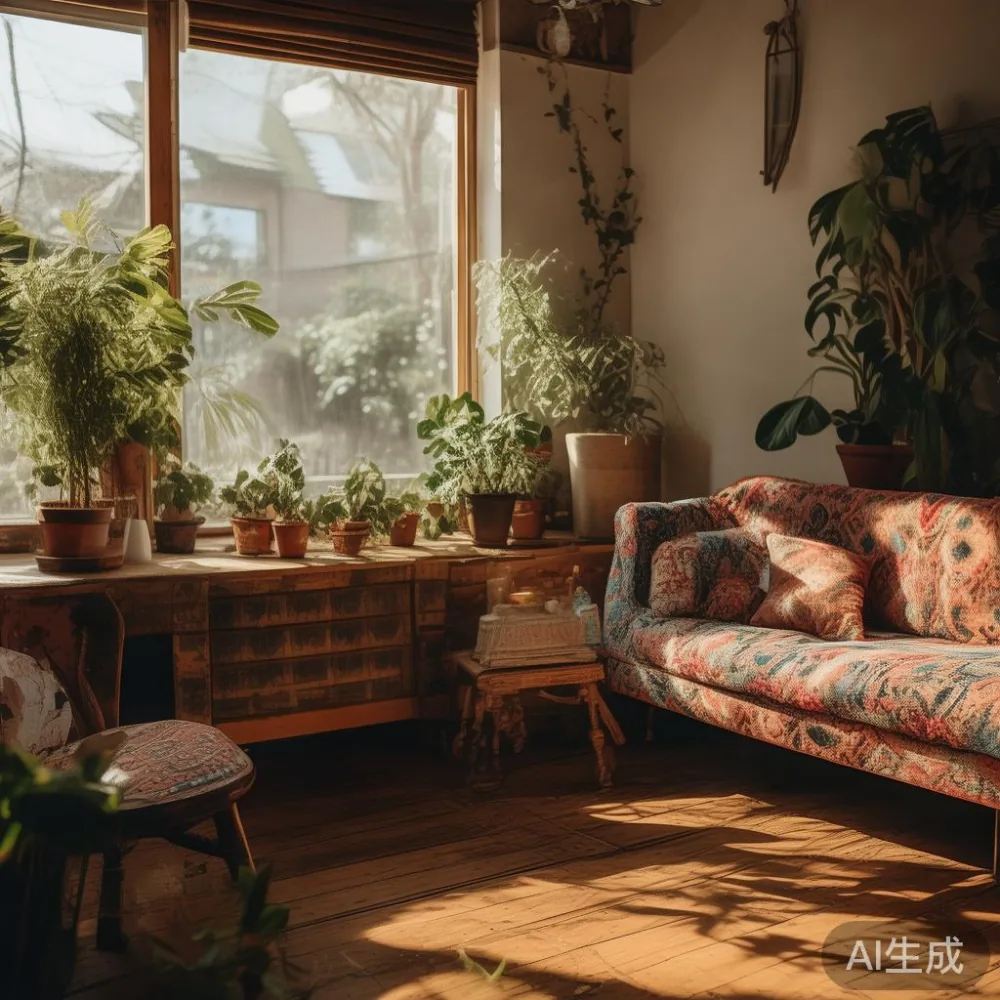
The single largest driver of price in any solid wood piece is the species of timber, and the price difference between them is dramatic. Teak from sustainably managed plantations in Southeast Asia typically runs between SGD 2,800 and SGD 3,600 per cubic meter in 2026 wholesale markets, with old-growth Burmese teak sometimes fetching 40% more. American walnut sits at SGD 2,200 to SGD 2,900 per cubic meter. European white oak, the backbone of most dining table and wardrobe production in Foshan factories, hovers around SGD 1,800 to SGD 2,400. Rubberwood, a fast-growing tropical hardwood often used in budget pieces, can be as low as SGD 700 per cubic meter — about one-fifth of the price of premium teak.
The catch is that two tables built from "oak" or "teak" can still cost very different amounts. Kiln-dried boards with 6 to 8 weeks of air-drying before finishing retain fewer internal stresses and resist warping over Singapore's 80%-plus humidity swings. Cheaper operations skip this step and substitute shorter drying cycles; the result is a piece that may cup or twist within twelve months. When you see a nightstand priced at SGD 220 versus SGD 620, the difference is rarely the wood species printed on the tag — it is the moisture content the wood was brought down to before assembly. Anything above 12% moisture content is a risk in our climate.
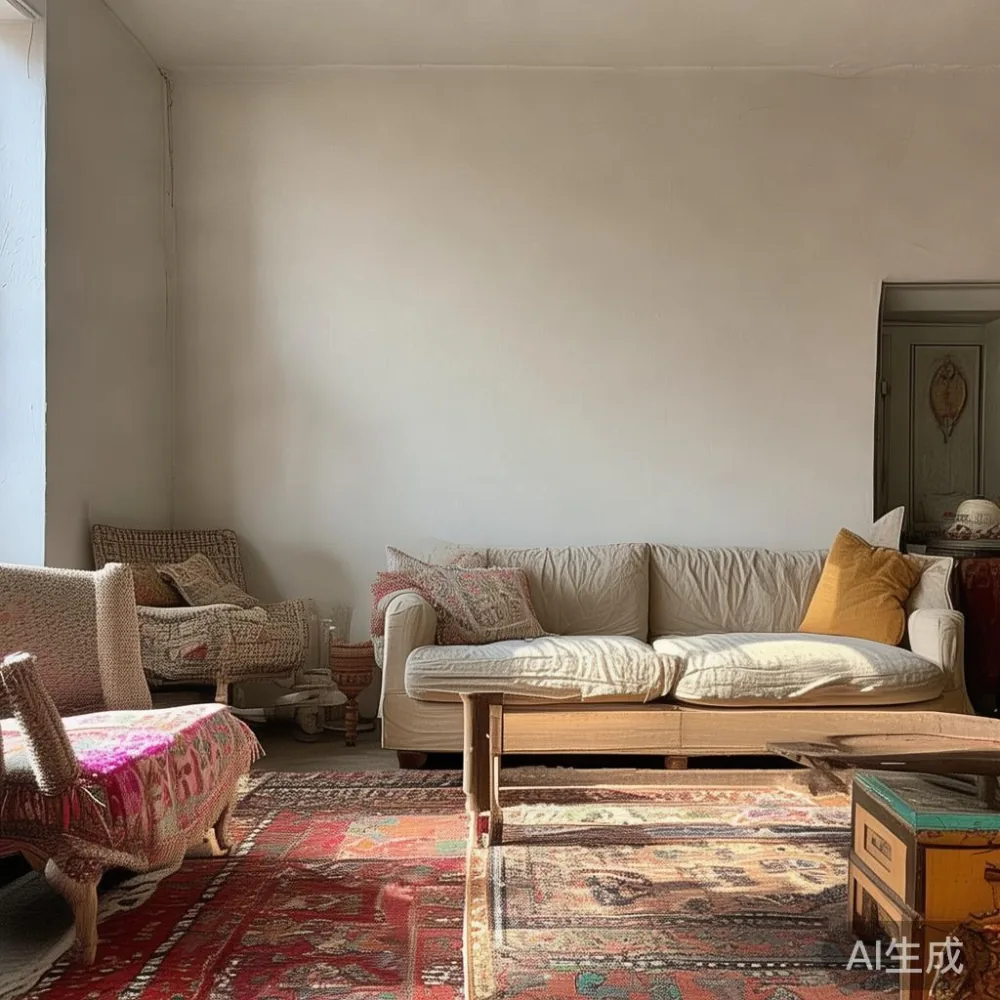
One more variable inside the wood category: board construction. A 200cm dining table top can be built from a single slab of timber (beautiful, expensive, and often unavailable in widths above 80cm without joints) or from several narrower boards edge-glued together. The single slab commands a premium because every meter of usable width above 60cm narrows the supply dramatically. The glue-up option is cheaper and, when done well, just as strong — but it tells you something about how a factory thinks about its material.
What is the best storage bench for a small apartment?
For a Singapore HDB or condo with limited floor area, the best storage bench is one built from kiln-dried solid teak or oak at 45cm height, 120cm to 140cm length, and 38cm depth, with a lift-up lid on soft-close hinges and an internal cavity of at least 90 litres — a spec that costs roughly SGD 540 to SGD 780 from a Foshan workshop that controls its own kiln schedule. Anything shorter than 110cm will not seat two adults comfortably at the foot of a queen-size bed, and anything shallower than 35cm wastes the cavity space that justifies the piece's footprint in the first place. Lift-up lids beat drawers in this category because drawers add 8cm to 12cm of unusable dead space behind the drawer box, which is the cubic capacity you are actually paying for.
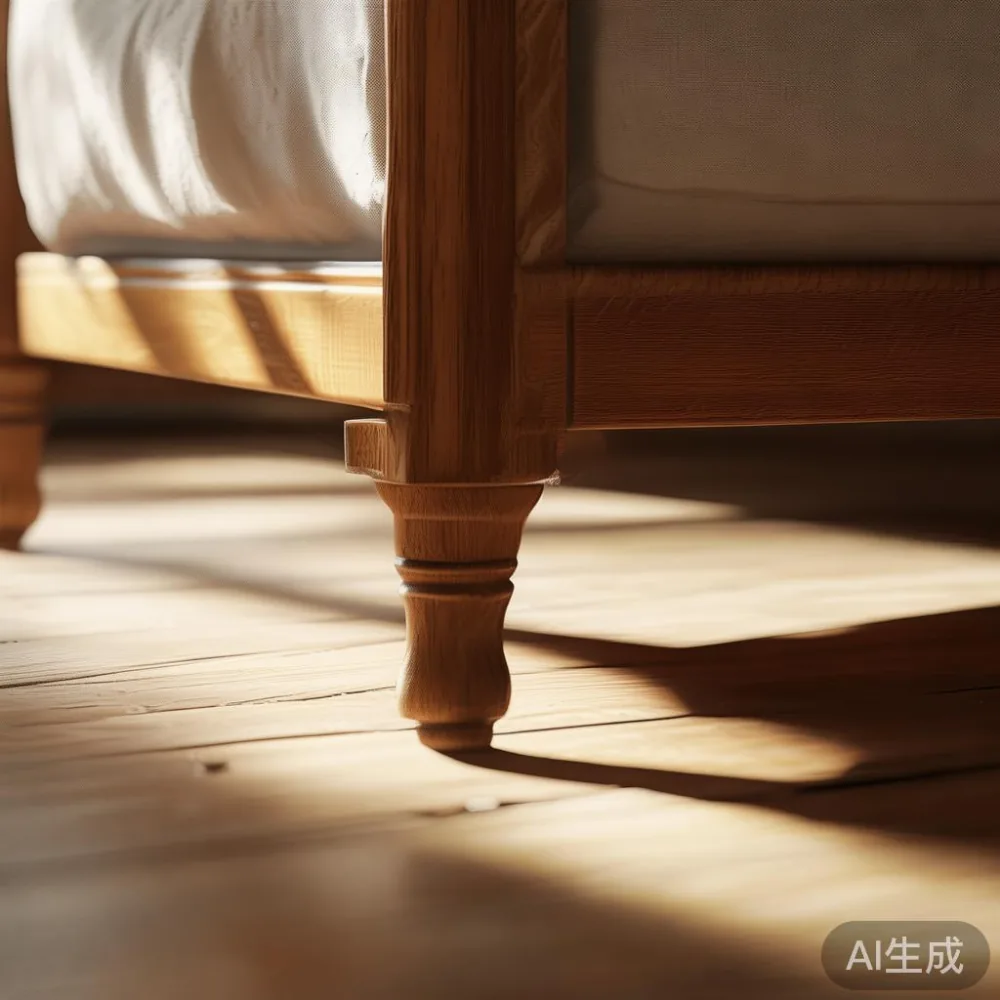
Pair that bench with a sage teak fabric sofa in your living room and you have a coherent boho style anchor — warm timber, soft green upholstery, and a storage piece that earns its square metres. Bench placement matters too. Against a 240cm corridor wall in a typical Bedok four-room flat, the bench should leave at least 80cm of walking clearance. Lift the lid, and you can fit two standard IKEA Kallax bins inside, plus three sets of bedsheets and four pillows — measured, not guessed.
Joinery, Hardware, and the Hidden 15% of Every Piece
Open the catalogue of any serious Foshan exporter and you will find the same words repeated: mortise and tenon, dovetail, finger joint, dowel, biscuit. These are not decorative vocabulary. They are the structural skeleton of your furniture, and they represent real labour hours. A traditional mortise-and-tenon joint takes a skilled joiner about 8 to 12 minutes to cut by hand or 3 to 4 minutes on a CNC mortiser. A pocket-hole screw joint takes 45 seconds. Multiply that by the 12 to 18 joints in a typical queen-size bed frame and the labour-cost gap becomes obvious.
Hardware follows the same pattern. Soft-close drawer slides from Blum or Hettich cost SGD 18 to SGD 32 per pair at factory pricing; generic Chinese slides cost SGD 2.50 to SGD 4. Ceramic-coated drawer runners sit between the two at SGD 6 to SGD 9. A six-drawer wardrobe fitted with premium slides therefore carries SGD 110 to SGD 195 of hardware alone, versus SGD 15 to SGD 25 for the cheap version. Over ten years of daily use, the premium slides will outlast the cheap ones by a factor of three or four, which is why the structural warranty on the piece matters.
MIDHILL, the Foshan maker behind many of the boho style solid wood pieces you see exported to Singapore, has built its 18-year reputation (since 2008) on specifying Blum soft-close hardware as standard across dining tables, wardrobes, and bed frames — a quiet detail that separates pieces that survive the move into a Punggol HDB from pieces that start wobbling after two years.
Finishes, Marble Accents, and What Your Hand Actually Touches
The visible surface is where most of the price discrepancy hides. A polyurethane (PU) lacquer finish costs around SGD 6 to SGD 9 per square metre of coverage at the factory level; a hardwax oil finish costs SGD 14 to SGD 22. Conversion varnish, the toughest of the bunch and the standard for high-end American light luxury lines, runs SGD 18 to SGD 28 per square metre. The reason hardwax oil appeals to boho style buyers specifically is that it leaves the wood breathable and slightly matte — the patina develops, the grain shows through, and the surface ages rather than peels. PU lacquer sits on top like a plastic film, which is fine for a children's nightstand but reads as glossy and synthetic under boho style lighting.
Marble accents on side tables and consoles introduce a different cost layer. A genuine Italian Calacatta slab for a 50cm marble table top costs SGD 480 to SGD 720 in raw material, plus SGD 90 to SGD 140 in cutting, sealing, and edge polishing. A Chinese white marble with similar visual impact costs SGD 140 to SGD 220 in raw material. Engineered quartz — sometimes mislabelled as "marble" on retail tags — costs SGD 60 to SGD 110 for the same surface area and chips more cleanly when struck at a corner. If the price on a marble-look table seems too friendly, ask whether the top is sealed on all six sides; unsealed marble stains within minutes of contact with coffee or soy sauce, both daily hazards in a Singapore household.
From Foshan Factory Floor to Your Tampines Living Room: Shipping, GST, and the Last-Mile Maths
A six-piece dining set in solid teak, packed volume of roughly 1.8 cubic metres and gross weight 220kg, currently ships from Foshan to Singapore by sea for around SGD 280 to SGD 420 depending on the consolidator and the 9% GST payable on imports above the SGD 400 personal threshold. CIF (cost-insurance-freight) terms mean the seller handles the ocean leg; EXW terms mean you do. Most Foshan exporters shipping to condominiums in Punggol or Bedok now offer door-to-door service that includes a one-driver team, a trolley, and corridor-friendly packing — important because Singapore HDB corridor widths of 1.2 to 1.5 metres and lift openings of 0.9 to 1.1 metres dictate how a 240cm wardrobe gets to the fourth floor.
Lead times from order to delivery in Singapore sit at 35 to 55 days for made-to-order solid wood in 2026, versus 7 to 14 days for a flat-pack container-load item. The wait is the price of customisation: kiln-drying, CNC cutting, hand-sanding, finishing, and a 72-hour cure time before packing. Free-shipping thresholds above US$350 (roughly SGD 470) often absorb the ocean freight entirely, which is one quiet reason the per-piece price drops once you order a solid wood sofa and a matching dining set together rather than separately.
Structural Warranty and Lifetime Refinishing: The Real Number Behind the Marketing
Any seller can print a glossy brochure. The difference between a ten-year structural warranty that means something and one that means nothing is what the warranty covers. Joint separation, wood splitting along the grain, and frame collapse under normal residential load are the three claims that should be covered — and they should be honoured without requiring you to ship the piece back to Foshan at your own cost. MIDHILL's ten-year structural warranty on its boho style solid wood range explicitly covers these three failure modes, with replacement parts shipped from the Foshan factory within 21 working days for addresses in Singapore.
Lifetime refinishing, the second-tier promise, is rarer and more revealing. Sanding back to bare wood, re-staining, and re-sealing a dining table top costs a Singapore workshop SGD 280 to SGD 450 per piece depending on size. A maker that offers this service for free or at cost is signalling that they expect the timber underneath to survive multiple refinishes — usually three to five over a 30-year lifespan for a 4cm-thick top. A maker that does not offer it is signalling either that the wood is too thin to refinish safely or that the finish will not sand evenly. Both are common on lower-priced pieces.
The Practical Checklist Before You Pay
Before you wire a deposit on any solid wood piece, ask for these five pieces of information in writing: the exact wood species and country of origin, the moisture content at the time of packing (target: 8% to 12%), the type and brand of hardware on moving parts, the finish system and number of coats, and the structural warranty terms. If the seller cannot answer these on a single page, the price you are looking at does not reflect the materials inside the crate.
For a typical three-bedroom HDB in Tampines furnished in boho style, a realistic 2026 budget for a coordinated solid wood package — a 220cm dining table, six chairs, a queen bed frame, a two-door wardrobe, two nightstands, and a sage teak fabric sofa — runs between SGD 7,800 and SGD 12,400 before GST, depending on the timber grade and the inclusion of soft-close hardware across every drawer. That works out to roughly SGD 1,300 to SGD 2,070 per room of furniture, which is competitive with mid-range European brands once you factor in the free refinishing and the ten-year structural coverage that comes from a Foshan maker with eighteen years of export experience across 15-plus countries.
Pay less than that floor, and you are almost certainly buying either veneered MDF, rubberwood disguised as oak, or a finish that will not survive two HDB move-ins. Pay more than that ceiling, and you are likely paying for a retail showroom, a Singapore-based warehouse lease, and a commission structure that adds 35% to 60% over the equivalent factory-direct quote. The honest price of solid wood furniture sits in the middle, and once you know what drives it, you stop guessing and start measuring.