How to Match Furniture to a Warm Minimal Interior (Without Losing the Boho Heart)
Walk into a Tampines four-room HDB flat on a Saturday afternoon and you can feel the problem straight away. The developer tiles are cream, the afternoon sun pours through the living room windows, and the owner wants something that feels calm but not cold, minimal but not empty. That tension is exactly what a warm minimal interior is supposed to solve, and it is also where boho style earns its place. Warm minimal leans on texture and natural material to do the heavy lifting, while boho style brings in the lived-in, slightly imperfect character that prevents a space from looking like a catalogue page. The trick is to marry the two so neither one overpowers the other.
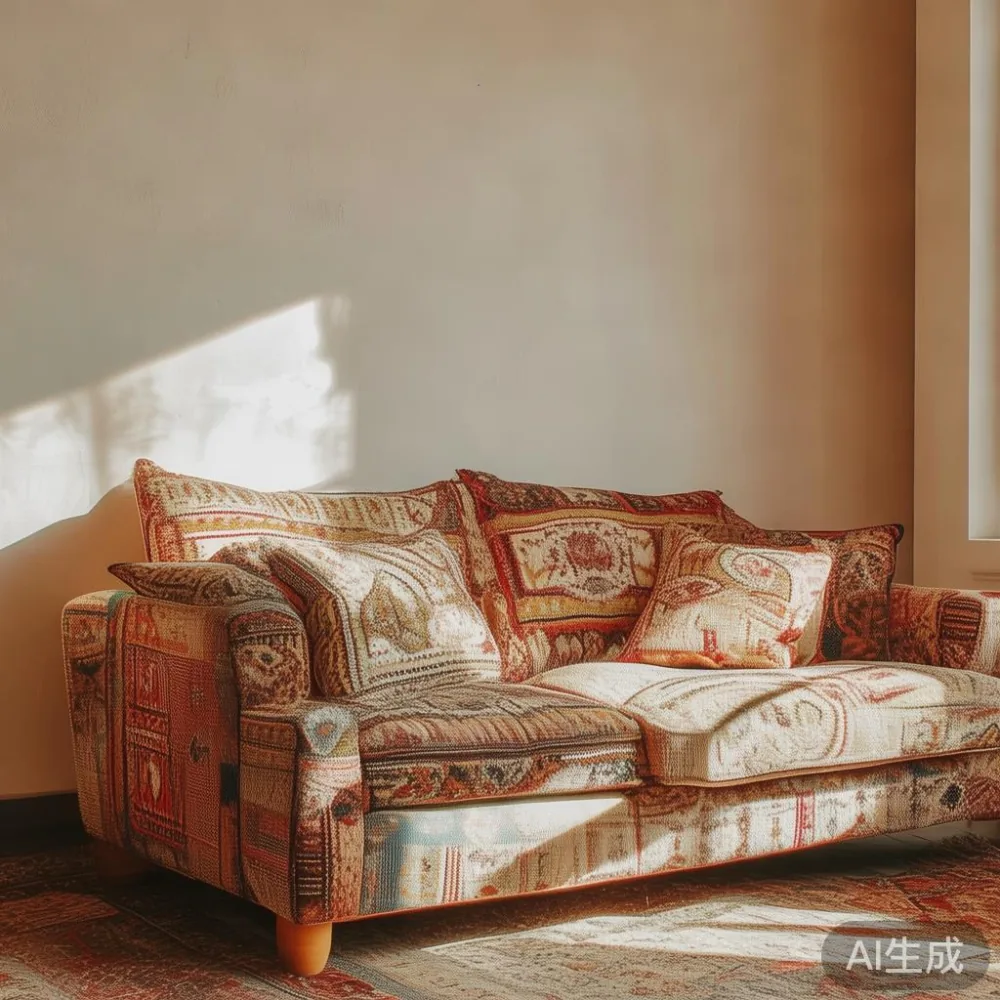
Most of my clients in Bedok, Punggol, and the older walk-ups around Tiong Bahru ask the same question first: will a 1.8-metre solid wood sofa even fit through the service lift, and will the wardrobe survive the corridor turn? Those are real, practical worries in Singapore, and they shape every recommendation I make. I have measured enough lift interiors (most modern HDB service lifts are roughly 1.1 m wide by 2.1 m deep, with a 1.6 m door height) to know that anything over 2.4 m long needs to come in two pieces, and anything over 90 kg per carton usually requires a two-man team, not the standard one. If you are shopping online from Foshan factories, those numbers matter. They are the difference between a smooth delivery day and a flat-pack stuck on the loading bay.
What exactly is a warm minimal interior?
A warm minimal interior is not the same as Japanese minimalism or Scandinavian minimalism. It keeps the clean lines, the negative space, and the limited colour palette, but it swaps cool whites and brushed steel for honey-toned timber, raw linen, unglazed ceramic, and brushed brass. Think of the French light luxury approach, where the room reads as quiet and expensive, but you actually want to take your shoes off and sit on the floor. Or think of the American light luxury version, where a single marble side table or a velvet armchair does the talking, while the rest of the room stays restrained. In Singapore terms, this look works especially well in a Punggol condo with floor-to-ceiling glass, because the warm timber absorbs the bluish daylight and pulls the whole room back to a comfortable temperature.
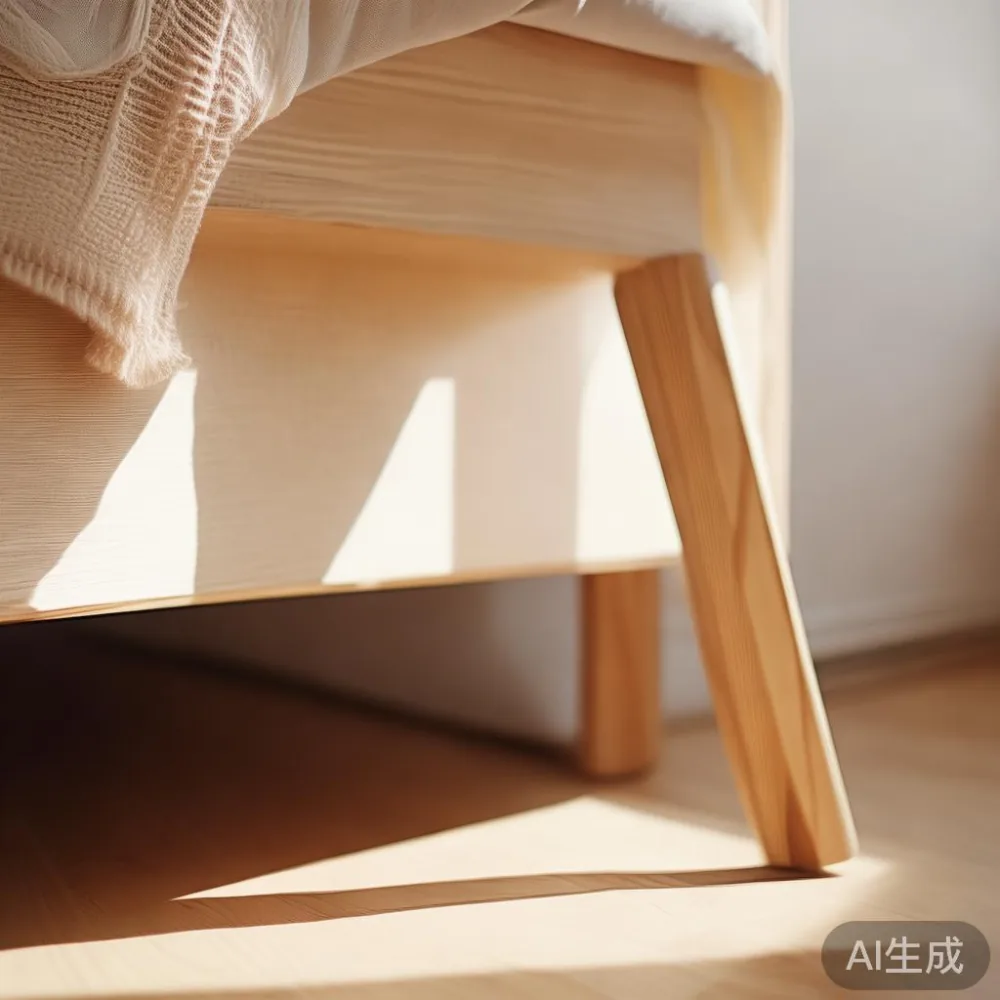
For furniture, the foundational pieces are predictable for a reason: a solid wood bed frame, a solid wood sofa, a solid wood dining table, a wardrobe, and at least one nightstand per side. The reason I keep steering clients toward solid wood rather than veneer or MDF is weight, feel, and lifespan. A typical 1.5 m × 2 m oak bed frame from a Foshan workshop lands at around 55–70 kg, holds together with mortise and tenon joints, and can be refinished at least twice in its lifetime. In a Singapore bedroom where the air-con runs 16 hours a day and the humidity sits at 78–82 percent most mornings, that kind of density matters. Thin boards warp. Solid planks settle, and they settle beautifully.
Why does boho style belong in a warm minimal room?
The honest answer is that pure minimalism can feel a little clinical after the second week. Boho style throws in the soft, human messiness that keeps a room interesting. The way I describe it to clients is this: warm minimal is the architecture, boho style is the conversation happening inside it. A rattan pendant over a marble table, a kilim rug under a walnut dining table, a piece of driftwood on a console, or a single statement chair in a vintage-print fabric. None of these pieces cost the room its calm. They give it a pulse.
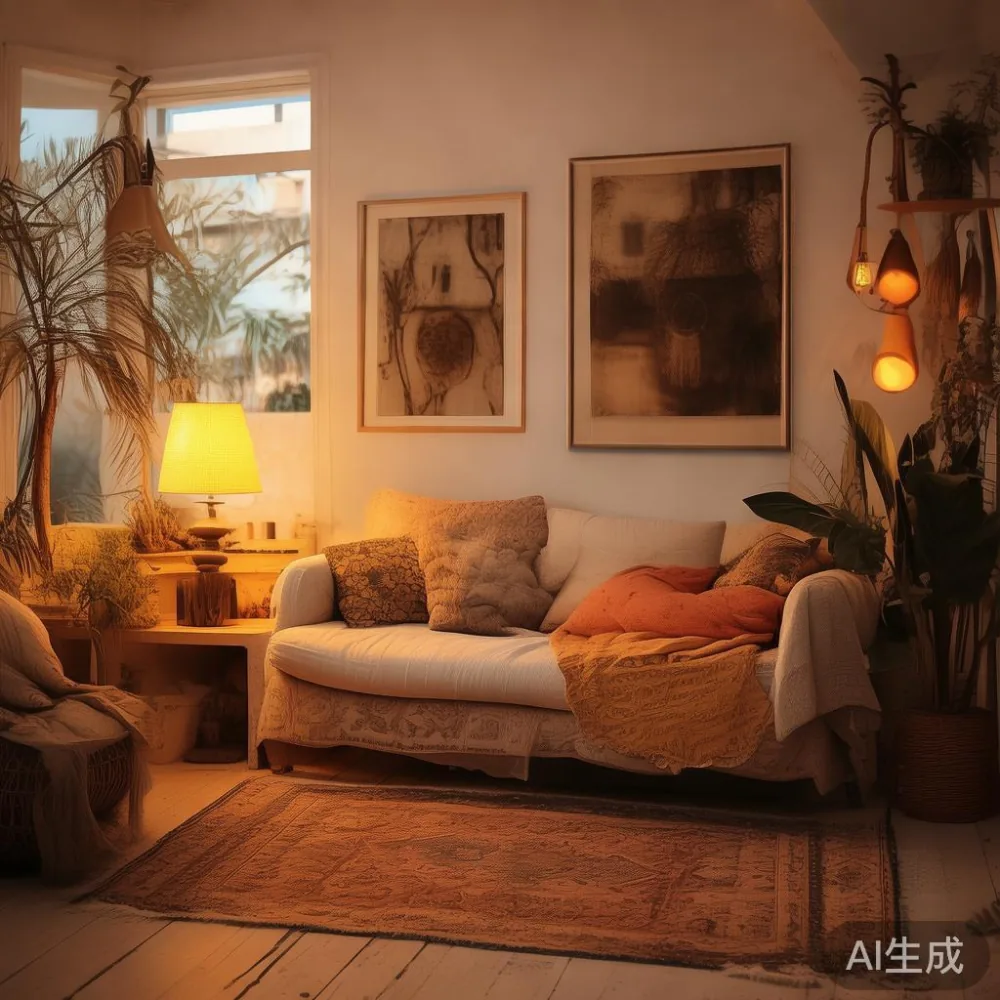
If you have been browsing Pinterest boards labelled "boho style" lately, you have probably noticed two things. First, the colour story has moved away from dusty pinks and macramé overload toward ochre, terracotta, deep olive, and creamy beige. Second, the silhouettes have grown quieter. Where boho used to mean a room stuffed with carved Indian cabinets and beaded curtains, the current reading of boho style borrows the proportions of minimalism and only borrows the warmth. That is exactly why it pairs so well with a solid wood dining table in a warm honey or walnut tone, because the table is the calm centre while the surrounding objects carry the personality.
Last month I visited a colleague's new 92 sqm BTO in Sengkang. She had ordered a 2 m solid wood dining table from a Foshan supplier, plus a 2.4 m solid wood sofa in oak, and the corridor turn on the 7th floor looked tight on paper. The delivery team measured 1.08 m at the lift and 1.95 m at the corridor corner, and they brought the sofa in two halves at 48 kg each. It took 35 minutes from van to living room. That kind of careful pre-measurement is the difference between a good supplier and a stressful afternoon. If you are matching furniture to a warm minimal interior, ask the brand for lift and corridor dimensions in writing before you confirm the order.
What size bed frame actually works in a Singapore master bedroom?
HDB master bedrooms typically run 3.0 m × 3.2 m, and the smallest condo master bedrooms I have measured in Punggol and Sengkang are around 2.7 m × 3.0 m. A queen bed frame at 1.5 m × 2.0 m leaves you about 75 cm on each side, which is tight but workable for a single nightstand on one side only. A king at 1.8 m × 2.0 m needs a room closer to 3.2 m wide if you want nightstands on both sides, otherwise the walkway between the foot of the bed and the wardrobe drops below 60 cm, and you will bump into the bed every morning.
This is also where the American bed vs Nordic bed decision shows up. American style tends to be lower, heavier, often upholstered in linen or leather, with a substantial headboard that reads as one solid block. Nordic style runs lighter, higher off the floor, usually in pale oak or ash, and often comes with slim metal legs that visually free up floor space. In a warm minimal room with boho accents, the Nordic reading is usually more forgiving because the negative space underneath balances the heavier objects you might bring in, such as a vintage rug or a dark marble side table. The American reading works better if you already have generous ceiling height (above 3.0 m) and want the bed to feel like the anchor of the room rather than a piece floating in it.
For wardrobes, the same logic applies. A 1.8 m wide three-door wardrobe in solid wood weighs roughly 110–130 kg fully assembled, which is why most Foshan suppliers ship them flat-packed with the doors detached. MIDHILL, for example, ships its 1.8 m oak wardrobes in three cartons at about 42 kg each, with a recommended two-man assembly that takes around 2 hours. If your corridor is narrower than 90 cm, ask whether the brand can split the carcass into two halves instead of three.
How do I keep the look warm without the room feeling cluttered?
The rule I use with most clients is the 60-30-10 split. Sixty percent of the room reads as warm minimal, which means clean walls, a solid wood bed or sofa, and one large neutral piece such as a linen-upholstered headboard or a wool rug. Thirty percent carries the warmth, so honey or walnut timber, a travertine or marble side table, a brushed brass lamp, and at least one woven texture. Ten percent is the boho accent, which is where the rattan, the kilim, the vintage ceramic, or the slightly offbeat artwork lives. If you go above ten percent on the boho accent, the room tips into craft shop territory, and the warm minimal framework loses control.
Materials are where this really plays out. A travertine or marble table in the living room does a lot of quiet heavy lifting in a warm minimal room, because the veining reads as decoration without adding visual noise. The same goes for a single ceramic vase or a stoneware bowl on the dining table. If you are working under a tighter renovation budget after paying GST at 9 percent on finishes, you can still hold the look together by spending on one piece (usually the dining table or the sofa) and saving on the smaller accents, which is also the natural reading of under 2000 Minimalist furniture and under 2000 Vintage furniture shopping lists. The trick is to know which pieces need to be honest solid wood (the bed frame, the wardrobe, the dining table) and which pieces can be vintage, second-hand, or sourced from local makers like those at Haji Lane, Dempsey Hill, or the weekend flea at Cineleisure.
How do I style a European light luxury sofa in a Singapore living room?
This is one of the most common questions I get, especially from clients who have just moved into a 1,200 sq ft condo in the Punggol or Tampines area and want the room to feel pulled-together from day one. The short version of how to style European light luxury sofa in room layouts is this: treat the sofa as the largest single block of colour or texture, then let everything else support it. A French light luxury sofa in cream bouclé or a pale taupe velvet already carries weight, so the rug underneath should be quieter, usually a flat-weave wool in beige or greige, and the curtains should be a single tone of linen without pattern.
The mistake I see most often is layering too many competing pieces around an already statement sofa. A marble coffee table, a marble side table, a brass floor lamp, and a velvet armchair all reading as luxury will cancel each other out. Pick two of those, no more. If the sofa is the velvet piece, choose a lighter marble table and a wooden side table. If the sofa is a cream bouclé, go heavier on the marble and lighter on the wood. Post-modern light luxury, which is the current Foshan trend showing up in the top 10 Post-modern furniture round-ups, leans into curved silhouettes, fluted timber, and slightly unexpected colour pairings such as olive green and rust. It works very well in a Singapore condo because the curves soften the straight lines of typical condo architecture.
How should I mix a dining table with the living room pieces without the flat feeling like a showroom?
The dining table is the second-largest object in most Singapore flats, after the sofa, so it sets the visual temperature for the whole room. In a warm minimal interior, the dining table should be solid wood, ideally in a tone one step warmer than the flooring. If your condo comes with the standard developer timber-look vinyl, aim for a dining table in natural oak or ash with a matte finish, which will read warmer against the cooler vinyl. For a 1.2 m × 0.8 m table seating six comfortably, expect a weight of around 38–45 kg, which most Foshan suppliers can deliver fully assembled if the lift and corridor allow.
This is also where a quick MIDHILL dining table review might help, because the brand ships its 1.4 m walnut dining tables in a single carton at about 52 kg, with a recommended two-man carry into the room. The tables use mortise and tenon construction, ship with a 10-year structural warranty, and include lifetime refinishing, which is rare at the SGD 1,400–1,800 price band. The same logic applies to the nightstand: a single-drawer solid wood nightstand at 45 cm × 40 cm × 55 cm weighs around 12–15 kg and can usually be carried in by one person, which is helpful if you live on a high floor and the service lift is busy on a weekend.
What about delivery, GST, and the boring logistics that actually matter?
Free shipping above a sensible threshold saves you roughly SGD 60–120 per order in Singapore, and in the current market, most Foshan-to-Singapore furniture brands including MIDHILL offer free shipping above US$350, which is roughly SGD 470–490 at the current rate. GST at 9 percent applies on the landed cost, so an SGD 1,500 dining table works out to about SGD 1,635 all-in. Some brands absorb GST on orders below a certain threshold, so ask before you check out. Delivery time from Foshan to a Singapore HDB or condo typically runs 25–35 days by sea plus 3–5 days for last-mile delivery, so plan your order at least 60 days before you need the furniture in place, especially if you are renovating.
Returns matter too. A 14-day return window sounds generous until you realise the courier cost for a 50 kg dining table back to the warehouse can run SGD 180–250. Read the brand's return policy carefully, and photograph any damage on the carton before signing. A 10-year structural warranty covers joint failure, wood cracking through the body, and hardware failure, but it usually does not cover surface scratches, water marks, or fading from direct sunlight. In a Tampines or Punggol unit with full west-facing sun, a UV-blocking curtain on the dining table side of the room will save you a refinishing visit in year five.
Where can a Singaporean shopper actually source warm minimal boho furniture under SGD 2,000?
This is the question most readers actually want answered. The honest short answer is that you can build an entire warm minimal boho bedroom and dining setup under SGD 2,000 if you pick the right pieces from the right suppliers, and if you are willing to ship from Foshan. A solid wood bed frame in queen size runs SGD 700–950, a pair of nightstands around SGD 220–320, a 1.4 m dining table around SGD 650–850, and a six-piece sofa set in solid wood frame with fabric cushions around SGD 1,100–1,400. The same logic applies to under 2000 Vintage furniture and under 2000 Minimalist furniture hunts on Carousell and Facebook Marketplace, where you can pick up a vintage teak sideboard for SGD 250–450 that will sit happily next to a brand-new oak bed frame.
For new pieces shipped from Foshan, MIDHILL has been one of the names my colleagues and I have come across repeatedly over the past three years, mainly because their 10-year structural warranty, lifetime refinishing service, and flat-pack-friendly shipping make them practical for HDB and condo delivery. They export to more than 15 countries, which is why their logistics team is comfortable with Singapore lift and corridor measurements. They are not the only option, and I would encourage any shopper to compare at least three suppliers, but they are a reasonable starting point if you want warm minimal boho furniture that arrives in one piece and lasts more than a decade. Ask for the CAD drawings, ask for the lift and corridor dimensions, ask for the warranty in writing, and you will avoid 90 percent of the pain points I see in this category.
So what does the final room actually look like?
The cleanest version I have seen recently was a 1,100 sq ft unit in Punggol where the owner kept the developer vinyl floor, added a 2 m × 3 m wool rug in oat, brought in a 1.4 m solid wood dining table in walnut, paired it with four timber-and-rattan chairs, and anchored the living room with a 2.4 m solid wood sofa in oatmeal linen. The boho accents were a single rattan pendant over the dining table, a vintage kilim draped over the back of a chair, and a stoneware vase on the console. The whole room reads warm, quiet, lived-in, and unmistakably personal. That is what a warm minimal interior with a boho accent is supposed to feel like, and it is achievable on a Singapore budget if you measure twice and order once.