Sofa Shopping Checklist for Singapore Homeowners
The perfect sofa can anchor a living room, but what happens when you find one you love online, only to discover it's a logistical nightmare to get into your HDB flat or condo? Buying a sofa without physically testing it requires a different approach, focusing on measurements, materials, and logistics rather than just comfort. For those embracing the boho style, which celebrates natural textures and relaxed forms, this process becomes even more important to ensure the piece fits both your aesthetic and your space. This guide will walk you through the critical checks to make before you click 'purchase'.
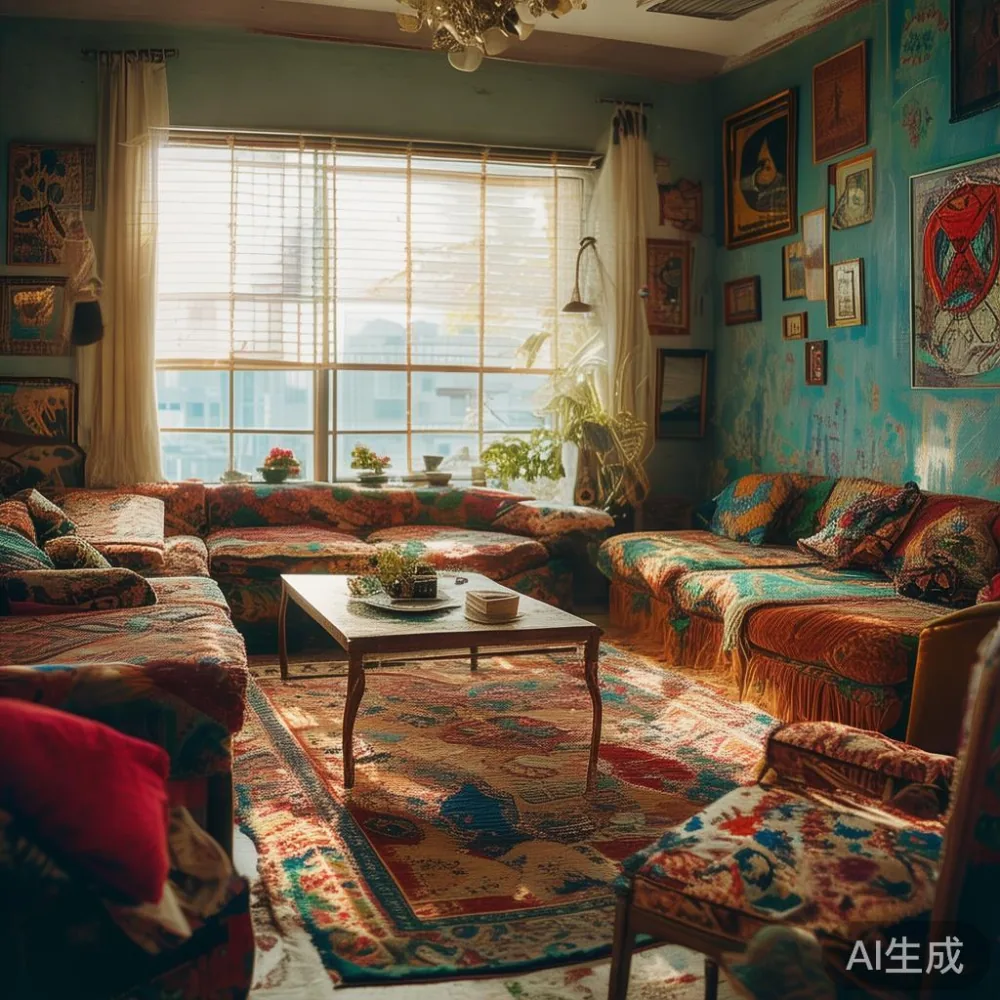
How to Measure Your Space for a New Sofa
Before you fall in love with a specific design, the most critical step is measuring your available space. For Singapore's HDB flats and condos, this isn't just about the room's dimensions; it's about working through the practicalities of local living. Start by measuring the length, width, and height of the area where the sofa will go. Don't forget to account for the space needed to walk around it comfortably, typically at least 60 cm. In a smaller living room in Tampines or Bedok, this clearance is non-negotiable.
Next, measure the doorways, hallways, and elevator corridors the sofa will need to travel through. Singapore's standard HDB doorways are usually about 80 cm wide. If you're in a condo with a larger lift, you might have more leeway, but it's better to be safe. The most common mistake is forgetting to measure the height of the sofa and comparing it to the elevator's height clearance. A sofa that is 95 cm tall will not fit through a lift with an 80 cm height limit. Also, consider the weight. A solid wood sofa can weigh between 60 kg to 120 kg, and working through stairs in older blocks without a lift can be a significant challenge. Always confirm the sofa's exact dimensions and weight from the product specifications.
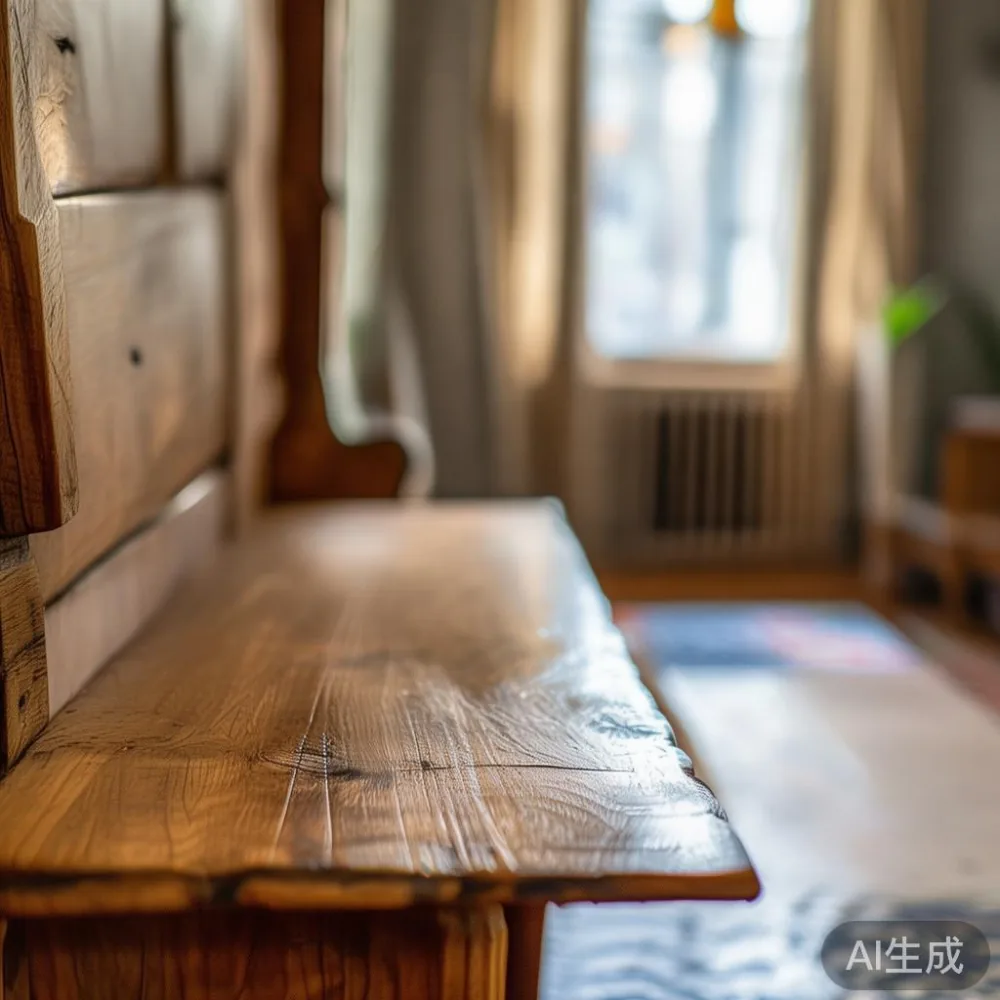
What Materials and Construction Should I Look For?
When you can't physically sit on a sofa, the quality of its materials and construction becomes your primary indicator of comfort and durability. For a piece that embodies the boho style, you'll often find a mix of natural materials. Look for sofas with solid wood frames, preferably made from kiln-dried hardwood like oak or mango wood. This prevents the frame from warping over time in Singapore's humid climate. A solid wood sofa frame is the foundation of a piece that will last for years, unlike cheaper alternatives made from particleboard or softwood that can sag.
The upholstery fabric is another key consideration. For boho interiors, natural fibres like cotton, linen, and wool are popular choices. They offer a relaxed, breathable feel that complements the aesthetic. Check the fabric's durability rating, often measured in double rubs. A fabric with 30,000 double rubs is suitable for a low-traffic home, while 100,000+ is ideal for busy households or homes with children and pets. Pay attention to the cushion filling as well. High-density foam provides excellent support, while a mix of foam and down feathers offers a softer, more luxurious feel. The density of the foam is measured in kg/m³; a higher number means firmer support. Ask about the warranty on the cushions, as this reflects the manufacturer's confidence in their quality.
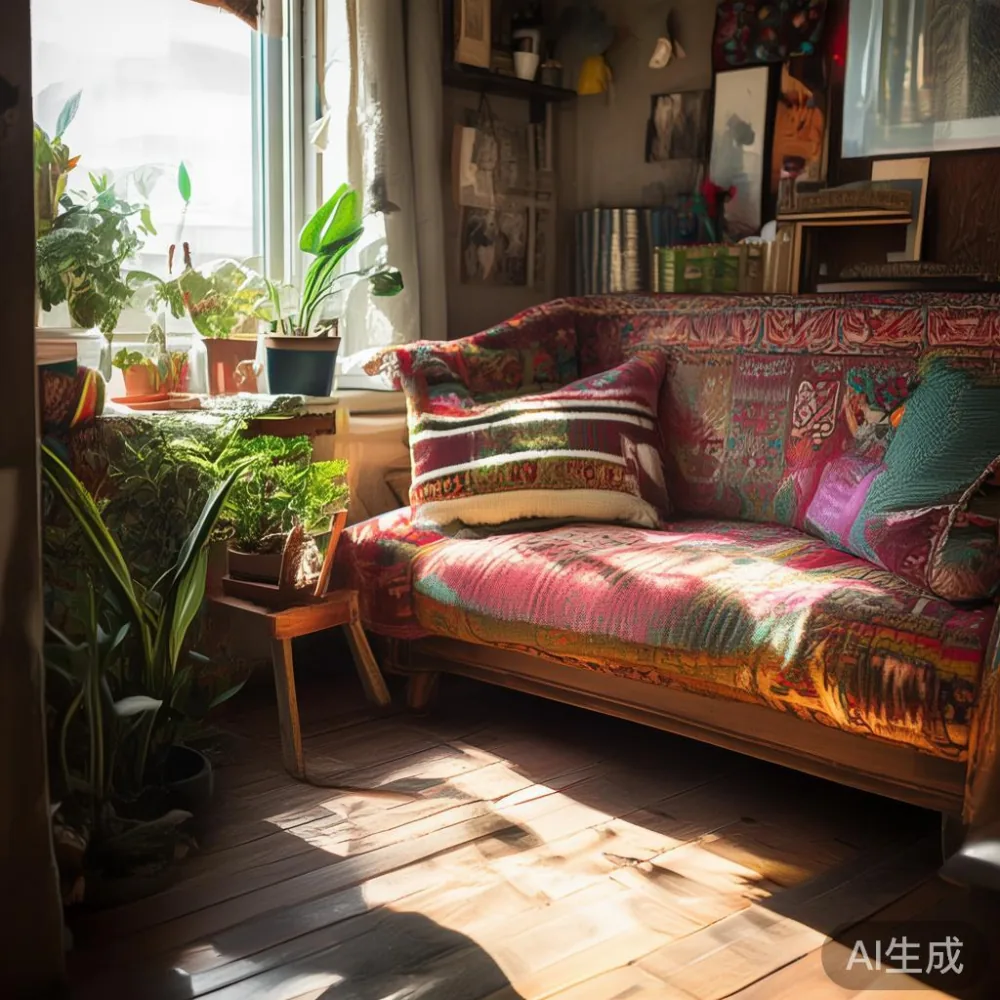
What is the True Cost of Ownership?
The sticker price of a sofa is only part of the story. The true cost of ownership includes delivery, assembly, potential GST, and long-term maintenance. In Singapore, all goods and services are subject to 9% GST, which is added to the final price. Always confirm if the advertised price is inclusive or exclusive of GST to avoid surprises. Delivery is another factor. Many retailers offer free shipping for orders over SGD 350, which is a common threshold. However, 'free shipping' might only cover curbside delivery. In Singapore, this often means the sofa is left in the lobby of your condo or at the void deck of your HDB block. You will need to arrange for manpower to bring it up to your unit, which can cost an additional SGD 50 to SGD 150, depending on the floor number and the complexity of the move.
Consider the long-term value. A high-quality sofa is an investment. Look for brands that offer a structural warranty. A 10-year structural warranty, for example, provides peace of mind that the frame and springs are protected against defects. Also, some companies offer a lifetime refinishing service, which can restore the sofa's appearance if the upholstery becomes worn over time. This is a significant benefit that extends the life of your furniture. When comparing prices, factor in these value-added services. A slightly more expensive sofa with a comprehensive warranty might be a smarter purchase than a cheaper one that needs to be replaced in five years.
How Can I Verify the Sofa's Style and Quality Online?
Without a showroom visit, you need to become a detective to verify a sofa's quality and ensure it matches your vision. Start by examining the product photos and videos on the retailer's website, like midhill.co. Look for high-resolution images that show the texture of the fabric, the grain of the wood, and the stitching details. Poor-quality photos can be a red flag. Read customer reviews carefully, but focus on the descriptive ones. Look for comments about the actual colour, the feel of the fabric, and the sturdiness of the construction, rather than just general praise.
Don't hesitate to contact the retailer directly. Ask specific questions: "What is the exact wood species used for the frame?" or "Can you provide a photo of the fabric weave?" A reputable company will be happy to provide this information. For those who appreciate light luxury, understanding the nuances is key. For instance, you might ask to distinguish between a French light luxury sofa, which often features elegant, tailored lines and opulent fabrics, and a post-modern light luxury sofa, which might favour bolder shapes and mixed materials. This level of detail helps ensure the sofa aligns with your desired aesthetic, whether it's a boho-chic vibe or something more formal.
What is Your Return and Delivery Policy?
Even with the best research, there's always a small chance the sofa won't be right. This is where a clear return and delivery policy becomes your safety net. Before you buy, understand the terms. A 14-day return policy is standard, but read the fine print. Are you responsible for return shipping costs? Is the sofa required to be in its original packaging? For a large item like a sofa, returning it can be a complex and expensive process. Knowing the policy upfront can save you a lot of headaches later.
Delivery logistics are equally important. Ask about the estimated delivery timeframes. While standard delivery might take 7 to 14 business days, custom or solid wood pieces can take longer, sometimes up to 6-8 weeks. Confirm if the delivery includes placement inside your home or if it's just to the curb. For those in HDB flats with narrow corridors, some companies offer white-glove delivery services for an extra fee, where they will unbox and assemble the sofa for you. This service can be invaluable and is worth the additional cost of around SGD 100 to SGD 200. Always get a delivery confirmation in writing, including the date and the services included, to ensure you and the retailer are on the same page.
How do I know if this sofa is the right one for my Singapore home?
This is the ultimate question. A sofa is a significant investment, and getting it right means considering everything from the macro to the micro. Start by thinking about your lifestyle. If you have a young family or pets, a durable, easy-to-clean fabric like microfiber or a tightly woven linen is a practical choice for a boho-style living room. If it's a more formal space used for entertaining, you might opt for a more luxurious fabric like velvet or a high-quality leather. Think about the scale of the sofa in relation to your other furniture. A large, overstated boho sofa can dominate a small HDB living room, while a delicate one might look lost in a spacious Punggol condo.
Last month, my colleague visited a client's new condo in Tampines. The client had purchased a beautiful, oversized solid wood sofa online. It arrived, and while it was stunning, it was simply too large for the space. It blocked the flow to the dining area and made the living room feel cramped. The client had to go through the lengthy and costly process of returning it. This experience highlighted the importance of not just measuring the room, but also visualising the sofa in its final position. Consider the sofa's shape—will a sectional fit the layout, or would a two-seater and an armchair be a better fit for the boho style? Finally, think about the colour and texture. A boho style often incorporates warm woods, earthy tones, and natural textures. Ensure the sofa you choose complements this and works with your existing colour palette, from the walls to the marble table in your dining area.