A 5-Year Cost Comparison: Veneer vs. Solid Wood Furniture in Singapore
In Singapore, where living spaces are a premium and style is a statement, choosing the right furniture is a significant decision. The debate between veneer and solid wood has raged for years, with price being a primary factor. However, a true cost analysis extends far beyond the initial price tag. It involves durability, maintenance, longevity, and the value delivered over time. This article provides a detailed, five-year cost comparison, using real-world scenarios from a typical Singaporean home to help you make an informed choice for your boho-style sanctuary.

What is the Real Difference Between Solid Wood and Veneer?
To understand the cost, we must first understand the materials. Solid wood furniture is crafted from a single piece of timber, such as mango, acacia, or oak. The visible surface is solid wood all the way through. This gives each piece a unique character, with natural grains and knots that tell a story. Solid wood is solid and can be sanded down and refinished multiple times, allowing it to last for decades, even a lifetime.
Veneer, on the other hand, is a thin layer of real wood (typically 0.6mm to 3mm thick) applied over a core of engineered wood like MDF (Medium-Density Fibreboard), particleboard, or plywood. The core provides stability and shape, while the veneer layer provides the aesthetic of solid wood at a fraction of the cost. The process is often more efficient, allowing for complex shapes and larger surface areas without the high material cost of solid timber.
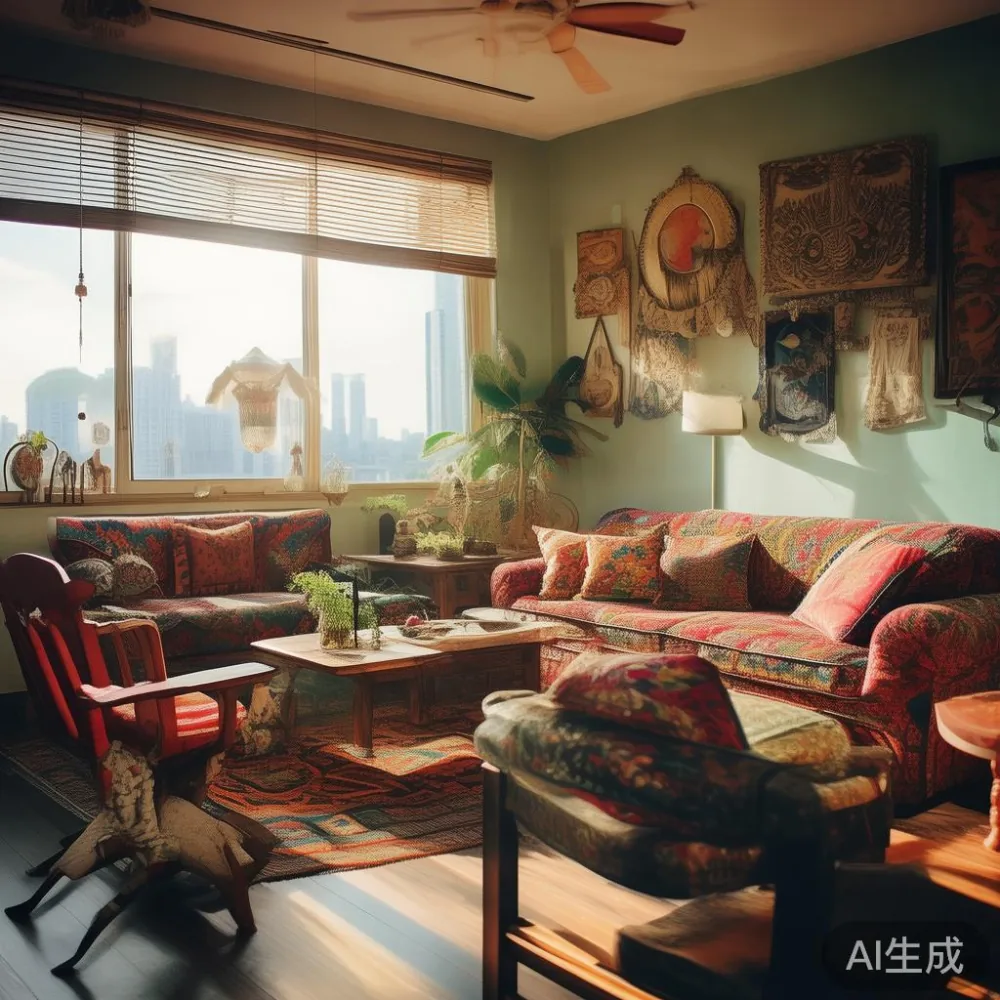
The Initial Investment: A Singaporean Homeowner's Perspective
Let's consider a typical 3-room HDB flat in Tampines, measuring approximately 90 square metres. We will compare the cost of outfitting the living room, bedroom, and dining area with both solid wood and veneer options. All prices are in SGD and include Singapore's 9% Goods and Services Tax (GST).
Solid Wood Collection (Boho Style):
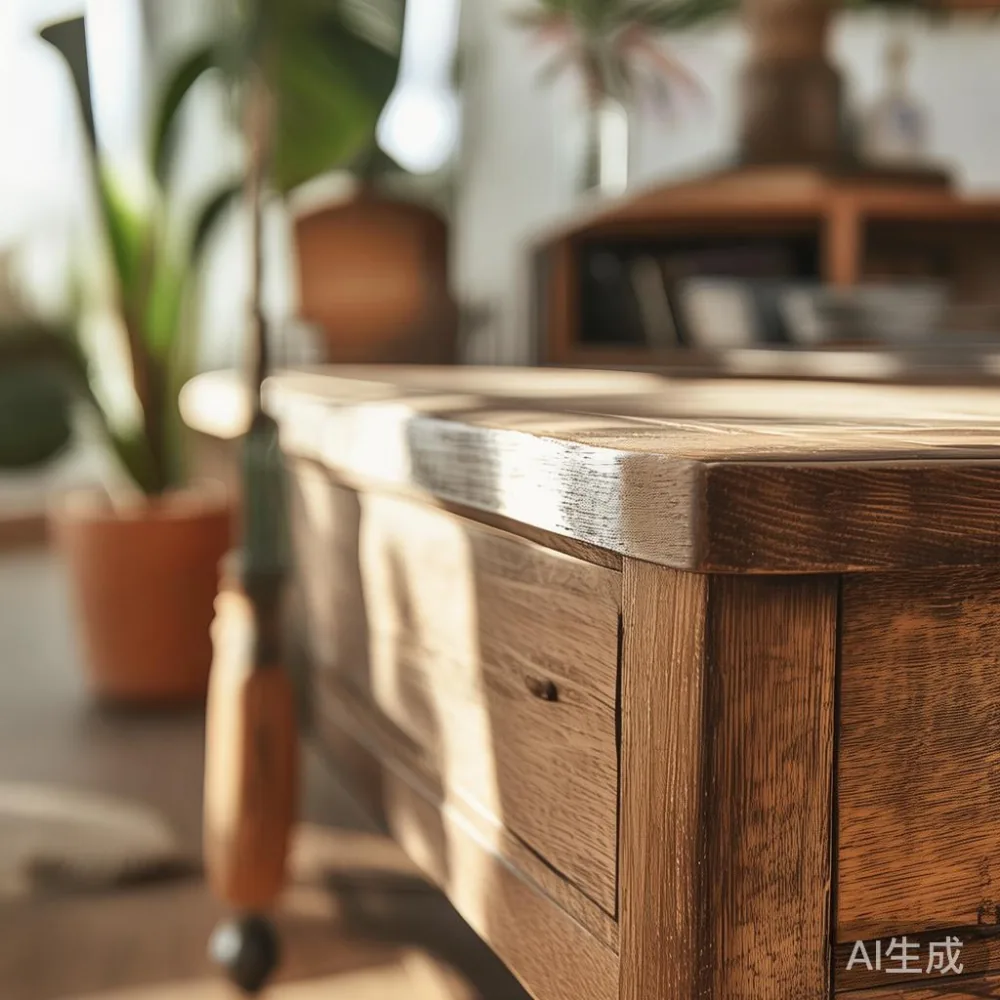
- Solid Wood Sofa: A 3-seater sofa with a mango wood frame and linen upholstery. Dimensions: 200cm x 90cm x 85cm. Price: SGD 3,800.
- Solid Wood Dining Table: A 6-seater acacia wood table with a marble inlay. Dimensions: 160cm x 90cm x 75cm. Price: SGD 2,500.
- Solid Wood Bed Frame: A queen-sized bed frame made of reclaimed teak. Dimensions: 160cm x 200cm x 110cm. Price: SGD 1,800.
- Solid Wood Wardrobe: A 2-door wardrobe with solid oak construction. Dimensions: 120cm x 60cm x 190cm. Price: SGD 2,200.
- Solid Wood Nightstand: A single drawer nightstand to match the bed. Dimensions: 50cm x 40cm x 55cm. Price: SGD 450.
Total Initial Cost (Solid Wood): SGD 10,750
Veneer Collection (Boho Style):
- Veneer Sofa: A 3-seater sofa with an engineered wood frame and a wood-grain veneer finish. Dimensions: 200cm x 90cm x 85cm. Price: SGD 1,600.
- Veneer Dining Table: A 6-seater table with a particleboard core and oak veneer. Dimensions: 160cm x 90cm x 75cm. Price: SGD 900.
- Veneer Bed Frame: A queen-sized bed frame with a pine veneer finish. Dimensions: 160cm x 200cm x 110cm. Price: SGD 750.
- Veneer Wardrobe: A 2-door wardrobe with an MDF core and walnut veneer. Dimensions: 120cm x 60cm x 190cm. Price: SGD 950.
- Veneer Nightstand: A single drawer nightstand with a matching veneer finish. Dimensions: 50cm x 40cm x 55cm. Price: SGD 180.
Total Initial Cost (Veneer): SGD 4,380
The immediate savings with veneer is substantial. For a young family in Bedok just setting up their home, this difference of over SGD 6,000 could be allocated to other needs. However, this is only the beginning of the story. The true cost emerges over the next five years.
Year-by-Year Maintenance and Repair Costs
Living in Singapore means high humidity and temperature fluctuations, which can be tough on furniture. Maintenance is not just about keeping things looking good; it's about preventing damage from the environment.
Years 1-2: The honeymoon period. Both solid wood and veneer furniture will look new. The primary maintenance is simple dusting and occasional polishing with a suitable wood conditioner. For solid wood, this costs about SGD 50 per year for quality products. For veneer, a standard furniture polish is sufficient, costing around SGD 20 per year. No major repairs are expected.
Year 3: The first signs of wear and tear. This is where the materials begin to show their differences.
With the solid wood sofa, the natural wood may begin to develop a beautiful patina, a softening of the colour that is often desired in a boho-style home. The linen upholstery might show some signs of use, but this can be professionally cleaned for SGD 150 to SGD 200. The solid wood dining table's marble inlay is durable, but the wood surrounding it might feel a bit drier. A reapplication of wood oil costs about SGD 80.
The veneer sofa, however, is more susceptible to damage. The high humidity can cause the thin veneer layer to lift or peel at the edges, especially where the frame joins. A small repair kit from a hardware store costs SGD 40, but the results are often noticeable. If the veneer on the dining table gets scratched, it's difficult to repair without leaving a mark. The engineered wood core is also more prone to absorbing moisture, potentially causing swelling or warping if a water glass is left unattended.
Years 4-5: The cost of neglect and repair.
Last month, I visited a client in a Punggol condominium. She had bought a veneer dining table five years ago. The table top had several deep scratches and a small area where the veneer had bubbled from a spill. She had tried to fix it herself but found it nearly impossible. The cost to have a professional refinish the table was estimated at SGD 500, almost the price of a new veneer table. The veneer on her wardrobe doors had also started to chip along the edges, a common issue with cheaper construction.
Her solid wood pieces, by contrast, were holding up remarkably well. The solid wood sofa's frame was as sturdy as the day it was purchased. The only issue was a small, faint scratch on the dining table, which was easily buffed out with a bit of fine sandpaper and wood wax—a process that cost her less than SGD 30 in materials and an hour of her time. The structural integrity of the solid wood bed frame and wardrobe was uncompromised.
Longevity and Resale Value: The True Test of Investment
The most significant financial difference between solid wood and veneer furniture is its lifespan and potential resale value. Solid wood furniture is an investment that appreciates in character and can last a lifetime with proper care. Veneer furniture is often considered disposable, with a lifespan of 5 to 10 years before it requires major replacement or repair.
After five years, the solid wood collection retains a significant portion of its value. A well-maintained solid wood dining table or bed frame can be resold for 40-60% of its original price. The unique patina adds to its charm. In contrast, the veneer collection has very little to no resale value. It is often difficult to find a buyer for used veneer furniture, as its condition is likely to be compromised.
Let's assume you decide to replace all your furniture after five years. The total cost of ownership for veneer would be the initial SGD 4,380 plus another SGD 4,380 for a new set, totaling SGD 8,760. For solid wood, the total cost is the initial SGD 10,750. After selling the solid wood pieces for, say, 50% of their original value (SGD 5,375), your net cost is SGD 10,750 - SGD 5,375 = SGD 5,375. Over five years, the solid wood option has proven to be the more economical choice.
Is Veneer Furniture Ever a Good Choice in Singapore?
Despite the long-term benefits of solid wood, veneer is not without its merits. For those renting an apartment or with a very tight budget, veneer offers an affordable way to furnish a space. It is also lighter than solid wood, making it easier to move up and down narrow HDB lift corridors or through condo doorways. The initial lower cost allows for more frequent updates to your decor, which can be appealing if you enjoy changing your home's look often.
However, for those building a home they intend to stay in for many years, who appreciate natural materials, and who desire furniture that tells a story, solid wood is the clear winner. The peace of mind that comes with a 10-year structural warranty, like the one offered by many quality makers, is a significant factor. Knowing that your furniture is protected against defects for a decade provides a level of security that veneer simply cannot match.
What About Delivery and Assembly in Singapore's Confined Spaces?
The cost and logistics of delivery are often overlooked. Solid wood furniture is heavier and bulkier. A solid wood sofa can weigh over 60kg, compared to a veneer sofa's 35kg. This impacts delivery charges and the physical effort required to move it into your home. In older HDB flats with narrow corridors, manoeuvring a large, heavy piece of furniture can be a challenge.
p>Reputable brands often include free shipping for orders over a certain amount, which is a significant saving. However, the physical handling remains. For a solid wood dining table, you need to ensure your lift can accommodate its length and that your corridor is wide enough to turn it. Veneer furniture, being lighter and often designed with flat-pack components, is generally easier to work through through Singapore's standard doorways and lift openings.
When considering a piece like a MIDHILL light luxury wardrobe, the delivery and assembly process is a key consideration. A solid wood wardrobe arrives as a single, heavy unit, requiring careful placement. A veneer wardrobe might come in panels that need assembly, but the individual pieces are lighter and easier to manage. This logistical ease can be a hidden benefit of veneer for those without extra help.
Final Verdict: Which is the Smarter Financial Choice for the Long Haul?
After a five-year period, the numbers tell a clear story. While veneer furniture offers a lower initial cost, its total cost of ownership—when you factor in repairs, replacement, and the lack of resale value—often exceeds that of solid wood furniture. The environmental impact of disposable furniture is also a growing concern for many Singaporean homeowners.
Solid wood furniture represents an investment. It is an anchor in your home, a piece that will not only serve you for years but can also be passed down or sold. The natural beauty and durability of solid wood align perfectly with the timeless, relaxed aesthetic of a boho-style home. The character it develops over time—the slight variations in colour, the smooth feel of a well-loved surface—cannot be replicated by engineered materials.
For those asking, is Japanese bed worth it, the answer aligns with this principle. A traditional Japanese bed frame, often made of solid wood, is designed for longevity and simplicity. It may cost more upfront than a veneer alternative, but its durability and minimalist elegance provide enduring value. Similarly, choosing a MIDHILL bed or a solid wood dining table is a commitment to quality that pays off in the long run.
In the end, the choice depends on your priorities. If you value immediate affordability and the ability to change your decor frequently, veneer might suffice. But if you seek a durable, beautiful, and financially sound investment for your home, solid wood furniture is the intelligent choice for the long term. It is a purchase that enriches your living space both aesthetically and financially over the years.