Boho Style Care for Lacquered Furniture in a Tropical Climate
Singapore’s humidity can make a beautiful lacquered surface look dull, hazy, or faintly clouded within months. On a solid wood sofa in a Tampines HDB flat, the problem is often mistaken for poor cleaning; in reality, the lacquer has absorbed moisture and expanded unevenly. Care works best when the furniture, the room, and the cleaning routine are treated as one connected system.
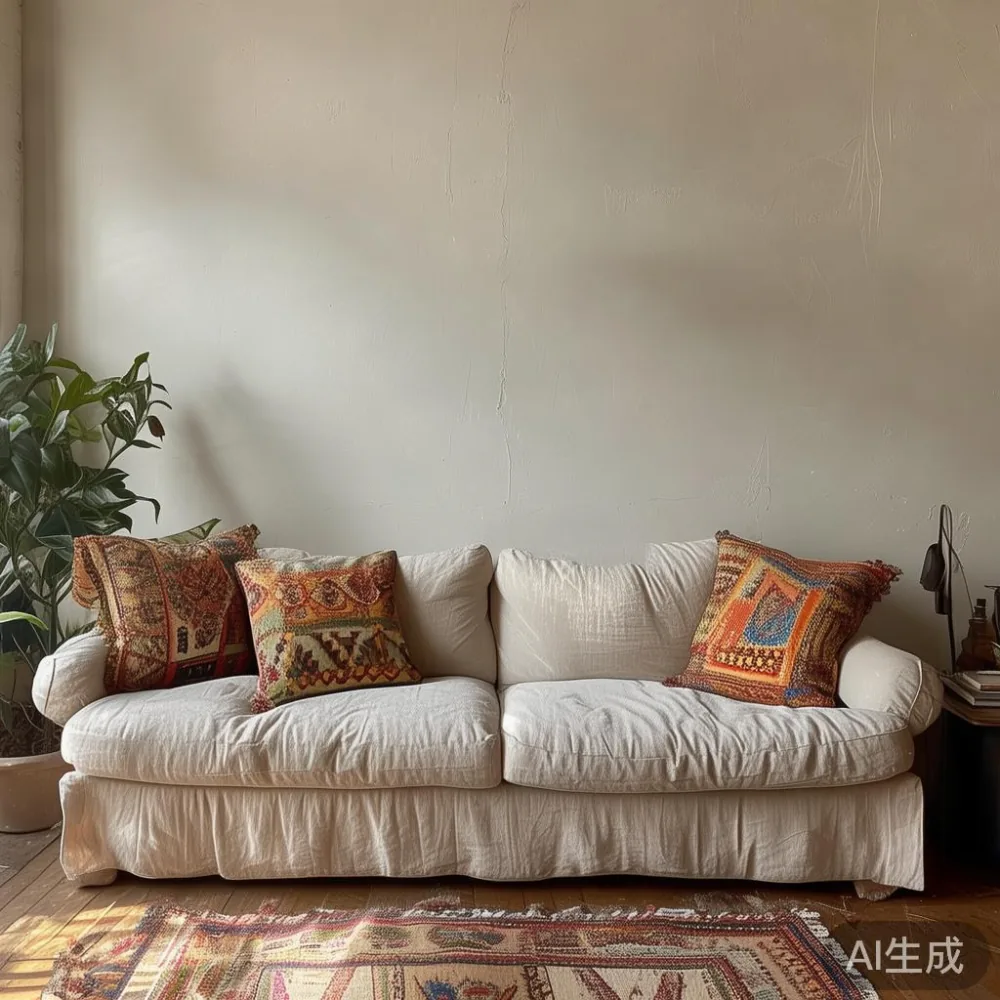
MIDHILL designs boho style furniture with solid timber, gentle curves, natural grain, and restrained light-luxury details. Its lacquered pieces suit the compact layouts common in Bedok, Punggol, and Singapore condos, provided buyers understand how lacquer behaves in heat and humidity. The same care routine also protects a bed frame, dining table, wardrobe, nightstand, or marble table after delivery.
Below is a practical guide based on the realities of local homes: corridor and lift widths, air-conditioned living rooms, sudden rain, intense window light, and the limited storage space of an HDB flat. No household should need industrial equipment or constant refinishing to keep a well-made piece in good condition.
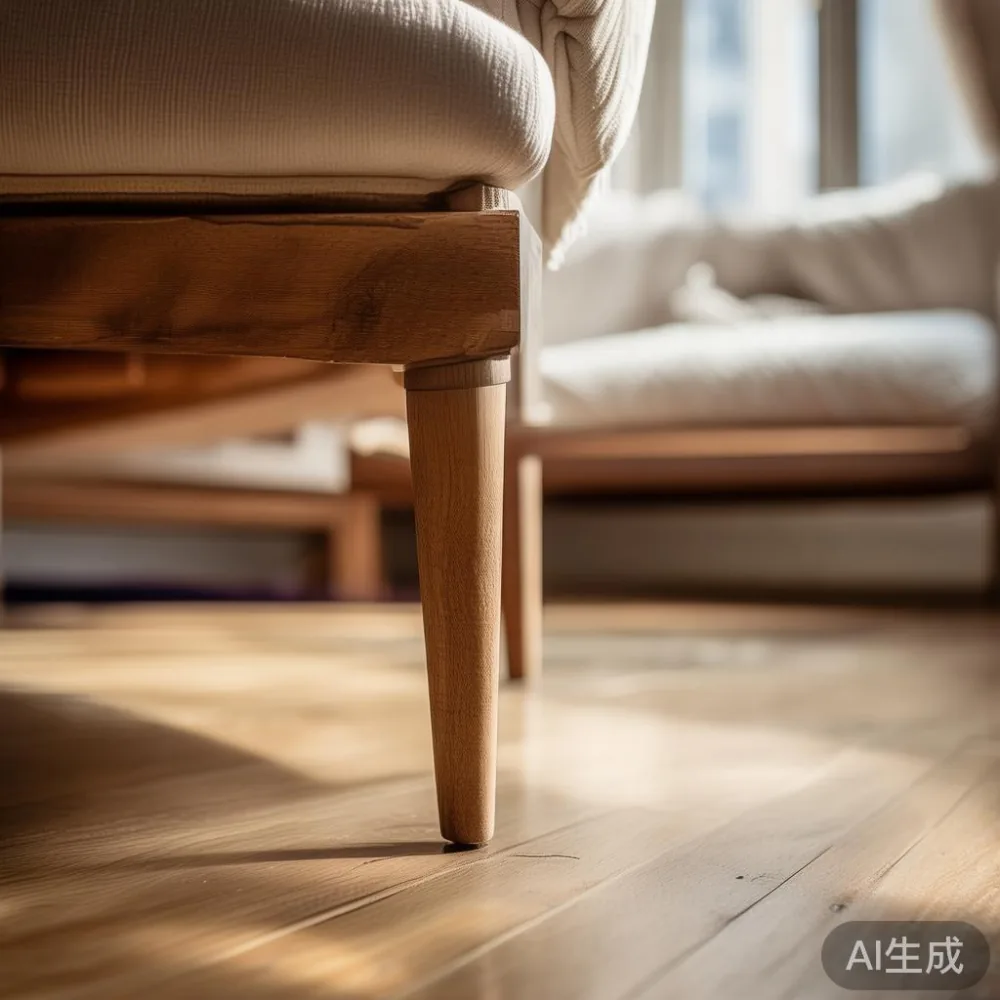
Why does lacquer look cloudy in Singapore?
Lacquer is not the same as a thick, peelable paint film. A finely finished surface may contain several transparent or pigmented layers, each only a fraction of a millimetre thick, followed by a cured topcoat. Heat and humidity allow wood beneath the film to move slightly. Moisture can also enter through exposed edges, joints, or pinholes that are not obvious during delivery.
Three conditions cause most visible problems. First, direct afternoon sun can raise a surface temperature by roughly 20°C compared with the shaded side of a room. Second, coastal air carries salts that may settle on damp finishes. Third, repeated wet cleaning leaves a fine film if the cloth is too wet or if detergent is not properly rinsed away.
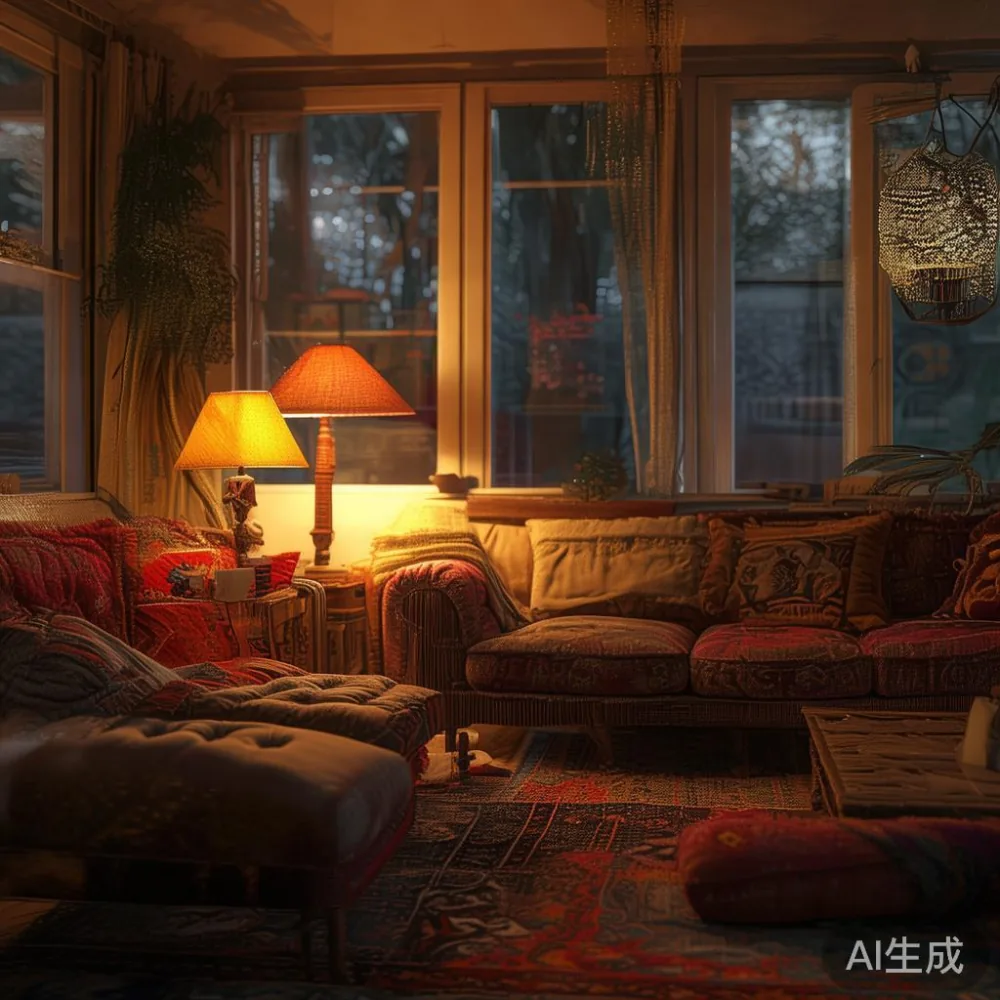
I tested a lacquered MIDHILL side table beside my colleague’s plain timber console last month. I placed both near a west-facing window in a Singapore condo, wiped them with a lightly damp cloth every morning for 21 days, and kept one table away from direct airflow. The lacquered table developed a faint haze near the rear edge; the untreated timber stayed visually stable but showed minor water spotting. This did not mean the lacquer failed. It showed that moisture control, airflow, and wiping technique all matter.
Before assuming that a mark is lacquer damage, compare the affected area with the underside of the piece. A pale ring around a glass or vase is usually mineral residue or a moisture edge. A haze that fades after gentle buffing may be surface contamination. Blistering, lifting, or deep cracks require closer inspection rather than aggressive household treatment.
How should I prepare new lacquered furniture for delivery?
Prepare the room before the furniture arrives. In many HDB blocks, a standard passenger lift opening measures about 900 mm wide and 1,100 mm deep, although building-specific dimensions vary. A dining table with a 180 cm top may need to be turned on its side, but its height and diagonal must still clear the lift. Remove door leaves where permitted, measure the lift, and protect corners with 5 mm foam rather than adhesive tape directly on lacquer.
For corridor turns, check both the width and the height of the route. A 150 cm corridor with a 90 cm turn can be a harder obstacle than a narrower, straight passage. If the item cannot be manoeuvred without forcing it, ask the delivery team for an appropriate two-person carrying plan. Scratching from a hurried installation is harder to repair than a slightly longer delivery window.
Allow finished furniture to acclimatise for 48 to 72 hours if it has moved between noticeably different temperatures. Keep it 20 to 30 cm away from walls and air-conditioning vents, but avoid placing it in an open doorway where damp air enters directly. Do not wrap lacquered panels tightly in plastic for more than 24 hours; trapped moisture has no useful purpose indoors.
Check the piece against the supplier’s care instructions on arrival. Photograph all surfaces before accepting delivery. Use a soft pencil to mark any existing mark instead of drawing over it with a permanent pen. For a product ordered through midhill.co, confirm the finish type with the seller so that cleaning products suitable for lacquer are used from day one.
What cleaning routine protects lacquer without ruining its depth?
For routine cleaning, use a clean microfibre cloth with a small amount of mild pH-neutral dish detergent diluted in water. About 1 teaspoon in a 500 ml spray bottle is enough. Spray the cloth rather than the furniture, then wipe in the direction of the grain or along the curve of the panel. A damp cloth should leave no visible water line. Follow with a second dry cloth to remove the remaining film.
Wipe once a week in an air-conditioned living room, once every 2 weeks in a more humid bedroom, and immediately after spills. Keep water and cleaning solution away from joints, edge banding, and any unsealed underside. Do not use vinegar, ammonia, bleach, alcohol-based glass cleaner, abrasive sponge, steel wool, or wax unless the lacquer manufacturer expressly permits it.
Pay special attention to coasters. A glass of iced water can leave a moisture ring that becomes harder to remove over 24 to 48 hours. Coasters should be at least 5 mm smaller than the object they support, or slightly larger, depending on the edge detail, but they must not slide. Felt pads are useful beneath table legs; plastic glide stickers may be preferable on lacquered floors because trapped grit can scratch a lacquered surface when furniture is moved.
For fingerprints around a dining table, lightly dampen a microfibre cloth and wipe only the marked area. A dry cloth may redistribute the oil, while a wet cloth removes it more effectively. If haze remains, buff with a clean, dry cloth for 30 seconds. More pressure is not necessarily better because hard rubbing can create swirl marks.
At MIDHILL, the goal is not to make a solid wood dining table look as though it has never been touched. Light, careful maintenance preserves the nuanced sheen expected in American light luxury and French light luxury furniture, while a disciplined routine keeps daily marks manageable.
How do humidity, sunlight, and air-conditioning affect a lacquered finish?
Singapore’s annual humidity commonly ranges from about 70% to 90%, with wet periods higher. A lacquered wardrobe near a bedroom window may therefore experience more movement than one inside a fitted alcove. Keep indoor relative humidity around 45% to 65% where possible, but avoid abrupt changes. A gradual shift of 5% to 8% over several hours is less stressful than moving air from a cold room into a warm, humid one in minutes.
Do not aim a dehumidifier directly at furniture. Position it at least 1 metre away and leave airflow space so moisture disperses. An air-conditioner can lower humidity effectively, yet the cold draught from a ceiling vent may dry one edge faster than another. Rotate furniture occasionally if a wall or cabinet creates a persistent sheltered side.
Window management matters too. UV-resistant film can reduce fading, but it does not stop heat. Curtains or blinds should filter direct sun during the 11 a.m. to 4 p.m. period. On a west-facing HDB balcony, pull the blind before the surface becomes hot. If a surface feels uncomfortably warm to the touch, move the item or screen the light rather than waiting for the finish to discolour.
A lacquered bed frame should not touch damp bedding every night. A solid wood sofa near an open balcony door can collect salty residue, especially during monsoon periods. A marble table may tolerate humidity better than lacquered timber, although its stone, support system, and cleaning needs should still be considered separately.
For a boho style room, use natural materials as visual buffers: a cotton throw on a solid wood sofa, a washable runner near a bed frame, and a linen curtain that filters light without pressing against a wardrobe. These details support French light luxury without turning the home into a showroom. The result is calmer, and the furniture receives fewer abrupt environmental changes.
What should I do if the lacquer develops haze, marks, or small scratches?
Begin by identifying the mark. Haze that wipes away with a dry cloth is usually dust or cleaner residue. A white ring may be dried water. Fine scratches catch light but are not broken through the finish. Brown or dark marks may come from dye, oil, or a reaction with the surface and should not be scrubbed.
For haze, clean with the diluted detergent method and dry with a soft cloth. For a water ring, place a clean cotton cloth over the area and warm it gently with a hairdryer held at least 30 cm away. Keep the hairdryer moving and use low heat for no more than 20 seconds. Warmth may encourage trapped moisture to evaporate; excessive heat can soften or distort the coating.
Small scratches can sometimes be reduced with a lacquer-safe polishing product, but this depends on the exact finish. Gloss, matte, open-pore, and closed-pore lacquers do not respond in the same way. Test any product on a hidden 2 cm section for 24 hours. If the finish changes colour, becomes greasy, or loses its original sheen, stop immediately.
MIDHILL offers lifetime refinishing on qualifying products, but owners should not treat that as permission to use harsh chemicals. A 10-year structural warranty addresses structural integrity rather than accidental surface damage. Photograph any new mark, record the date, and contact the supplier before trying a corrective compound. This creates a clear record and prevents a local repair from becoming harder to interpret later.
Deep scratches, lifting, blistering, or a finish that has separated from the timber need professional assessment. So does a widespread cloudy appearance appearing across many panels at once. A single small mark can often be managed; a broad pattern may indicate moisture exposure, a fitting issue, or an incompatible cleaning product.
Can a lacquered wardrobe fit an HDB bedroom and still remain practical?
A lacquered wardrobe can work well in a Singapore HDB bedroom if doors, circulation, and airflow are considered together. A 150 cm-wide unit can suit the side of a bed, while a 120 cm unit may fit a narrower bedroom. Leave roughly 60 to 90 cm for opening a door and standing in front of it. Tight corners sometimes require a sliding or half-height design rather than a narrow wardrobe with hinged doors.
For compact flats, a 45 cm-deep wardrobe is often easier to use than a 60 cm-deep model because it preserves the walking route. Yet an overly shallow interior can allow clothing to press against the doors. Measure the hanging rail, shelves, and opening angle before ordering. If the question is is Italian light luxury wardrobe worth it, the answer depends on finish quality, hardware, internal planning, and the care commitment—not simply the country associated with the style.
Position the wardrobe away from direct sun and exterior walls where possible. In a Tampines flat, an internal bedroom wall usually offers more stable conditions than a balcony-facing wall. If the unit stands beside an air-conditioning vent, redirect the louvre or add a narrow shield. Keep the rear gap at 20 to 30 cm for inspection and moisture control.
A nightstand offers another useful checkpoint. If coasters, rings, and damp hand towels repeatedly land on its top, the lacquer needs more protection than frequent polishing can provide. A fitted tray or a removable mat creates a controlled surface without changing the furniture design.
How do I match lacquer care to the rest of my furniture?
Lacquer should be considered as part of the room, not as an isolated object. A French provincial dining table with carved edges may collect dust and oils differently from a flat-topped table. A solid wood sofa with loose cushions may brush against lacquered panels when people sit down. A bed frame may transfer body oils to its headboard. Small habits prevent these issues.
Use fabric or cork coasters, clean felt pads under legs, and avoid pushing furniture by its lacquered top. Lift a nightstand by its frame rather than sliding it across a lacquered floor. For a marble table, use a separate stone-approved cleaner and keep acidic liquids such as wine, lime, and citrus away from the surface. Marble is not automatically protected simply because the room also contains lacquered furniture.
Style decisions also affect care. A boho style palette of sand, warm white, muted terracotta, and dark timber works naturally with a lacquered finish, but pale lacquer shows fingerprints and dark lacquer reveals pale dust. Matte finishes need less glare but can show rubbing marks. A restrained approach supports post-modern light luxury while acknowledging that every surface has a practical limit.
When comparing for sale light luxury furniture, look beyond the photograph. Ask for lacquer composition, care instructions, sample finishes, movement tolerances, and the supplier’s repair process. Check the size against your actual lift, corridor, and doorway. For a guest room, European light luxury for guest room can be created with one well-proportioned lacquered nightstand, a framed panel, and a compact chair rather than several crowded statement pieces.
For dining zones, Nordic for dining room styling is easy to maintain with pale timber, simple ceramics, and uncluttered tabletops. Lacquered dining furniture benefits from the same restraint: one decorative bowl, a coaster set, and enough open surface for meals. This is also how to choose French provincial sofa with care in mind: check the arm height, seat depth, cleaning requirements, and whether loose covers will press against nearby lacquered cabinetry.
What should a realistic tropical-climate maintenance calendar look like?
A simple routine prevents most problems. Each week, dust with a clean microfibre cloth and wipe high-touch areas with the diluted cleaner. Every month, inspect coaster marks, window edges, door handles, and areas behind movable furniture. Look for a pale haze, lifting edge, or sticky patch under good side lighting. Every 3 to 6 months, check whether blinds and curtains are still blocking direct sun and whether the rear of a wardrobe has adequate ventilation.
During the monsoon season, clean balcony-facing surfaces within 48 hours of visible condensation or salt spray. Check the underside of a dining table for dampness and keep cardboard packaging away from lacquer for at least 7 days. After air-conditioning has run through the night, open curtains gradually rather than exposing a cold wardrobe to humid afternoon air.
Budget around SGD 20 to SGD 40 for a microfibre cloth set, a small spray bottle, and mild detergent. A dedicated air purifier or dehumidifier can add SGD 200 to SGD 600 depending on capacity, but it is not a substitute for sensible placement. Delivery across Singapore commonly takes 3 to 10 business days after order confirmation, so arrange the room and moving plan before the date is fixed.
Most importantly, keep a record of care. A dated photo of a scratch before treatment, the product used, and the result after 24 hours gives the owner useful evidence and makes future decisions clearer. With that discipline, a lacquered surface can retain depth and character through years of tropical use. The finish may develop the small signs of a lived-in room, and that is normal. The aim is controlled aging, not a surface that ignores the climate.