Harmonising Warm Minimalism with Boho Elements for Singapore Homes
In the unique context of Singapore, where urban living spaces are often compact and design sensibilities lean towards clean lines, achieving a warm minimal interior presents a fascinating challenge. The HDB flats in Tampines and Bedok, with their standard corridor widths of 1.2 metres, and the more open-plan condos in Punggol, demand furniture that is both functional and aesthetically refined. The solution lies not in starkness, but in a thoughtful fusion of minimalism's clarity with the organic, textural soul of boho style. This approach creates a sanctuary that feels open, uncluttered, yet deeply personal and inviting, a perfect balance for the Singaporean lifestyle.
What is Warm Minimalism and How Does It Differ from Cold Minimalism?
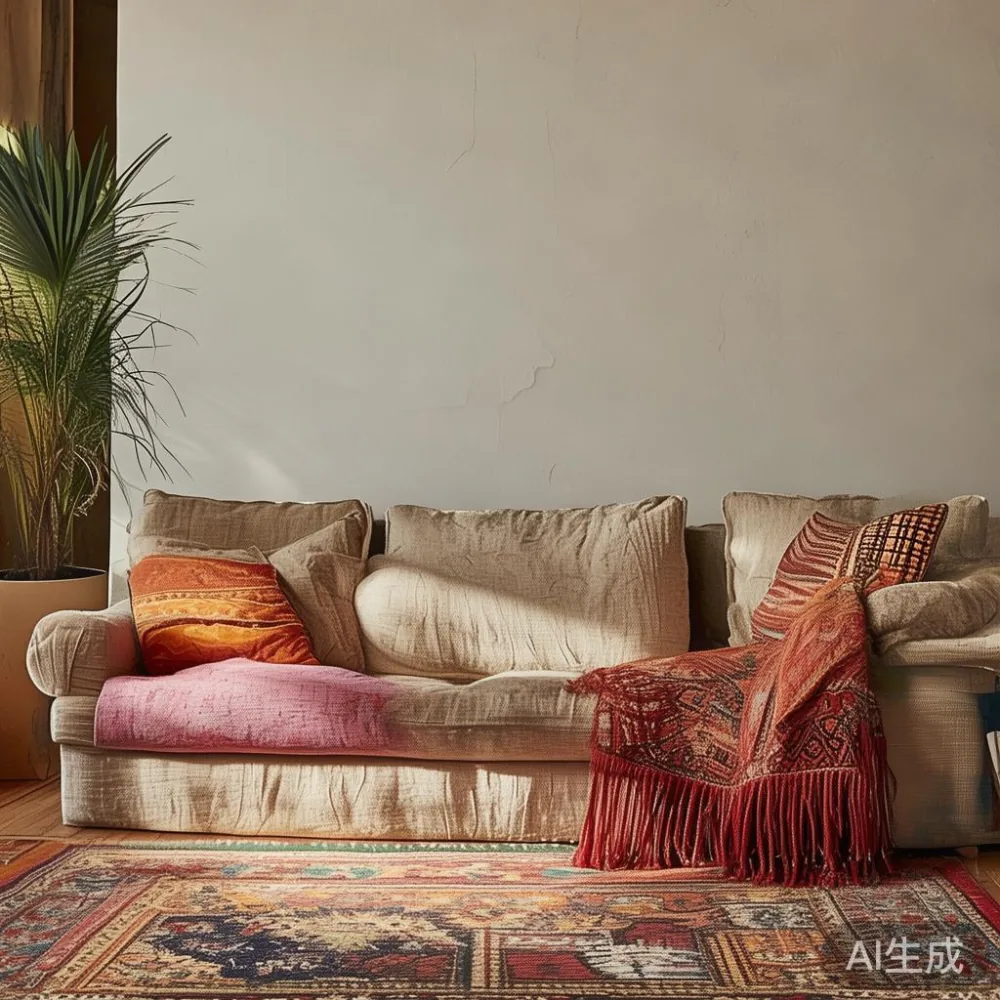
At its core, minimalism is about stripping away the non-important to create a space defined by form, function, and negative space. However, this can sometimes lead to an environment that feels sterile or unwelcoming. This is where warm minimalism enters the conversation. It retains the fundamental principles of minimalism—clean lines, a neutral colour palette, and a focus on quality—but it infuses the space with elements that add a layer of comfort and humanity. Think of it as the difference between a stark white gallery and a sun-drenched, linen-clad villa in Provence. Both are minimal, but one is cold and the other is rich with life. The key difference lies in the materials, textures, and colours used. Cold minimalism favours polished concrete, chrome, and monochromatic schemes, while warm minimalism embraces natural wood, soft textiles, and earthy tones. This shift creates a living environment that is calming and organised without feeling austere.
The Role of Natural Materials in Creating a Warm Foundation
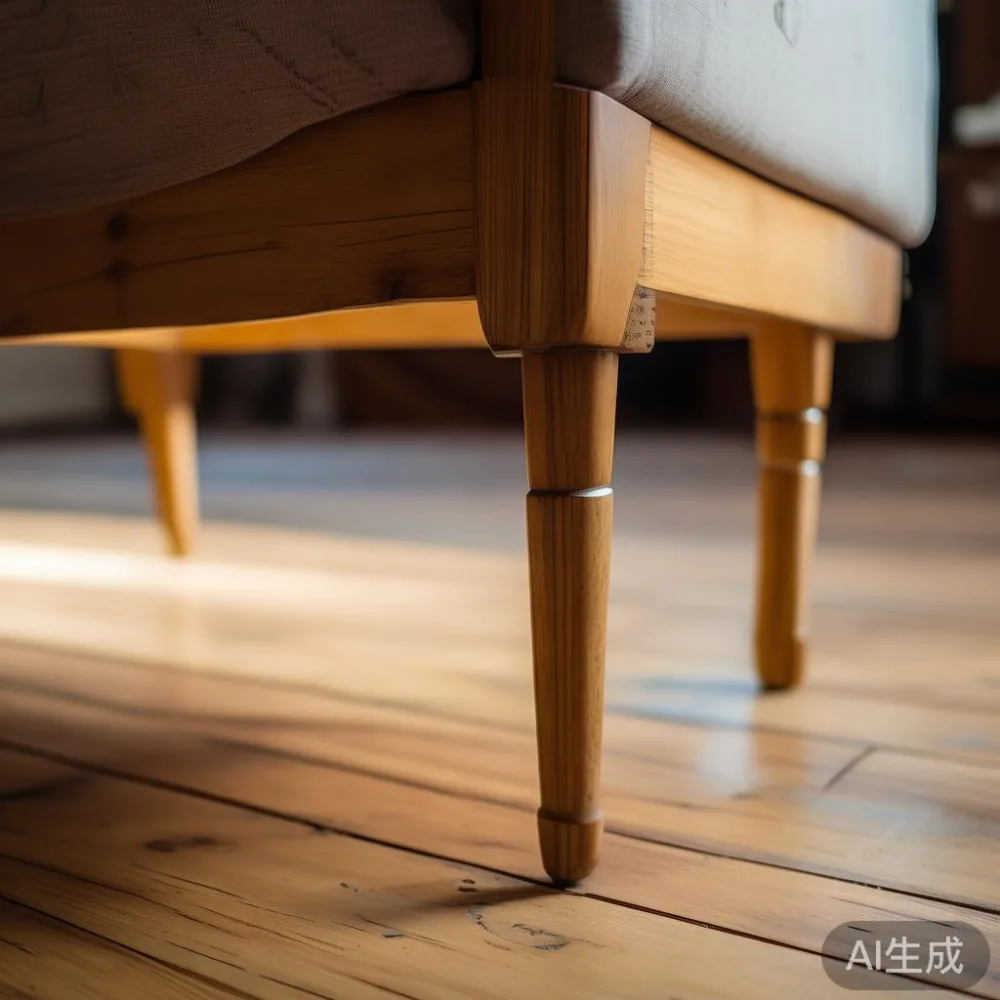
The foundation of any warm minimal interior is built on natural materials, which introduce warmth and texture organically. Solid wood furniture is a cornerstone of this aesthetic. A solid wood sofa, for instance, with its visible grain and tactile surface, becomes a sculptural element that grounds a room. The warmth of the wood contrasts beautifully against a backdrop of light walls, preventing the space from feeling flat. Similarly, a solid wood dining table or bed frame introduces a sense of permanence and craftsmanship. These pieces are not just functional; they are tactile experiences. The cool, smooth surface of a marble table can be placed next to a woven wool rug to create a dynamic interplay of textures. The natural variations in the wood and stone ensure that no two pieces are exactly alike, adding a unique, personal character to your home that mass-produced furniture cannot replicate.
Can Boho Style Elements Work in a Minimalist Singaporean Flat?
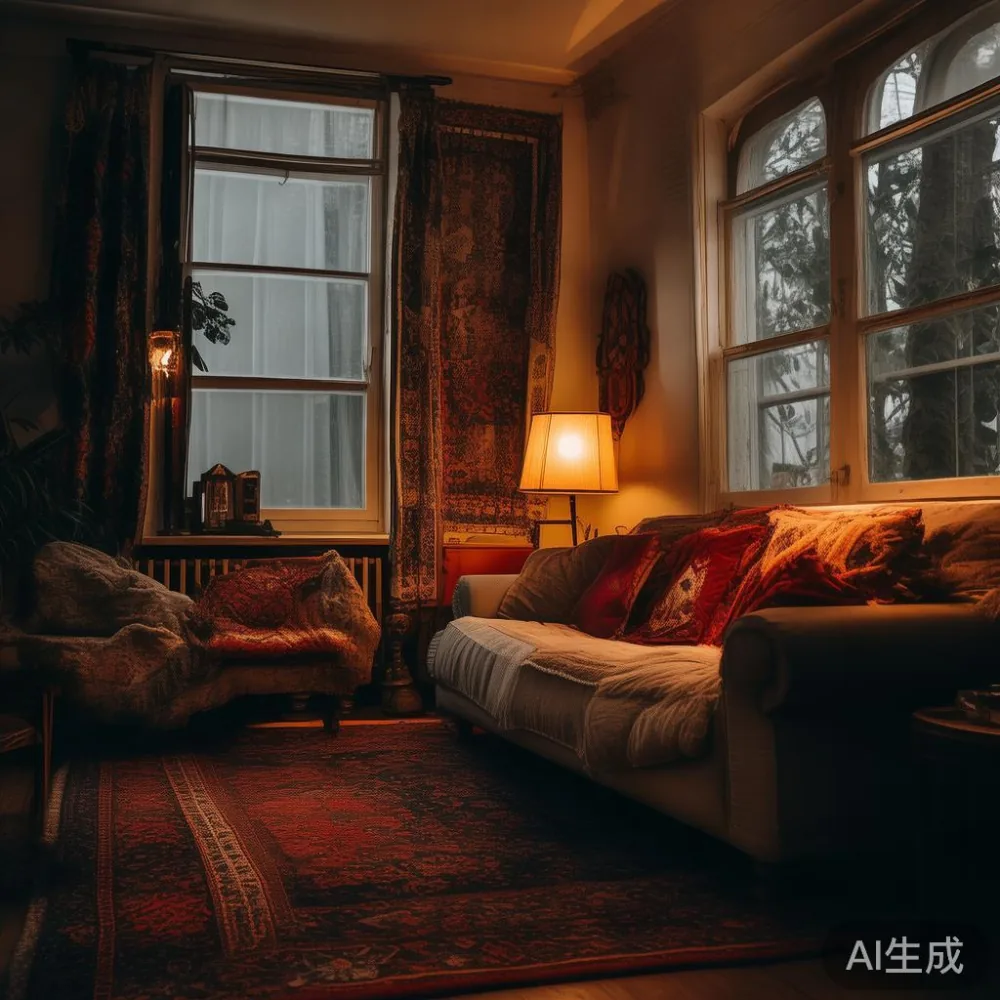
A common misconception is that boho style, with its reputation for eclectic patterns and abundant layers, is the antithesis of minimalism. This couldn't be further from the truth. The key to successfully incorporating boho style into a minimalist space is to do so with intention and restraint. In a Singaporean HDB flat, where space is at a premium, a maximalist boho approach would be overwhelming. Instead, the focus should be on curated boho elements. A single, well-chosen piece of rattan furniture, a few hand-thrown ceramic vases, or a macramé wall hanging can introduce the boho ethos without cluttering the space. The boho style thrives on natural textures and a relaxed, free-spirited vibe. By selecting a few high-quality, textural items and allowing them to breathe within a clean-lined, minimalist framework, you can achieve the perfect balance. The result is a space that feels both serene and soulful, a personal retreat from the busy city outside.
Strategic Furniture Choices for Singaporean Spaces
When furnishing a Singaporean home, every choice is a practical one. The dimensions of your furniture must be carefully considered to fit the space without overwhelming it. For a living room in a typical 4-room HDB flat, a sofa measuring 220 cm in length is often ideal, providing ample seating without dominating the room. A solid wood bed frame with a low profile (around 60 cm in height) can make a small bedroom feel more spacious. For storage, a wardrobe with sliding doors is a practical choice for Singaporean bedrooms, saving floor space compared to swing doors. A nightstand should be compact, perhaps 40 cm wide, to leave room for movement. The goal is to select furniture that is proportionate to the room. A large, ornate dining table might look out of place in a compact condo kitchenette, whereas a smaller marble table or a set of nesting tables would be more suitable. The philosophy is to choose pieces that serve their purpose while contributing to the calm and uncluttered aesthetic.
Integrating Light Luxury for a Touch of Refined Comfort
To improves a warm minimal interior from simply nice to truly sophisticated, the introduction of light luxury elements can make a significant impact. This is not about ostentation, but about quality, craftsmanship, and subtle detail. French light luxury, for example, often features elegant curves, fine upholstery, and a focus on comfort. A French provincial sofa, with its rolled arms and soft, inviting cushions, can add a touch of classic elegance to a minimalist living room. The difference between a Japanese sofa and a French provincial sofa is one of philosophy: the former is often low, modular, and focuses on clean lines and natural materials, while the latter is plush, structured, and designed for comfort and grandeur. For those seeking a more contemporary feel, post-modern light luxury offers a blend of bold shapes and sumptuous materials. When considering how to choose a European bed, one should look for high-quality upholstery, a sturdy frame, and a design that complements the room's minimalist lines. The best Italian light luxury furniture, for instance, is renowned for its impeccable tailoring and use of premium leathers and fabrics, which can add a layer of understated luxury to a bedroom.
A Personal Journey: Furnishing a Punggol Condo
Last month, my colleague, Sarah, who recently moved into a new condo in Punggol, shared her furnishing journey. Her challenge was to create a warm, minimalist living area that felt open yet cosy. She opted for a light-coloured solid wood sofa as the centrepiece. She then faced the dilemma of choosing between a Japanese sofa and a French provincial sofa. After careful consideration, she decided the French provincial sofa offered the plush comfort she desired for movie nights, its elegant lines still respecting the minimalist aesthetic of her space. For her dining area, she chose a solid wood dining table and paired it with marble table tops for the side console, creating a beautiful contrast of warm wood and cool stone. She was particularly pleased to find that the french sofa gallery photos she browsed online gave her a clear idea of how the piece would look in a light-filled space. Her total furniture budget was around SGD 15,000, which included a 9% GST. The delivery was handled efficiently, with the items arriving within 14 days. This real-world example shows how blending different styles, like the structured comfort of a French piece with the organic nature of boho-inspired textiles, can result in a deeply personal and harmonious home.
Textiles and Decor: The Final Layer of Personality
With the larger furniture pieces in place, textiles and decor are what bring the warm minimal and boho fusion to life. Think layering: a chunky knit throw blanket draped over the arm of a solid wood sofa, a collection of mismatched but cohesive cushions in natural fabrics like linen and cotton, and a soft, textured rug underfoot. These elements add softness, colour, and personality without introducing visual chaos. For the dining room, a set of handcrafted ceramic bowls or a wooden tray can serve as both functional items and beautiful decor. The key is to keep the colour palette grounded. Neutrals like beige, cream, and grey provide the minimalist backdrop, while accents of terracotta, olive green, or mustard yellow can be introduced through pillows, vases, or artwork. This approach ensures the space feels cohesive and intentional. When considering Japanese for dining room aesthetics, one might incorporate low seating like floor cushions or a simple, low table, which can work beautifully in a minimalist setting, promoting a sense of calm and togetherness.
Practical Considerations for Singaporean Homeowners
Beyond aesthetics, practical considerations are paramount when furnishing a home in Singapore. Delivery logistics are a key factor. Many reputable furniture brands offer free shipping for orders over SGD 350, which is a significant saving, especially for larger items like a solid wood dining table or wardrobe. It's wise to confirm the delivery timeframe, as lead times can vary. For those concerned about commitment, a 14-day return policy provides peace of mind. It's also important to consider the warranty. A 10-year structural warranty, for instance, is a strong indicator of the furniture's quality and durability, ensuring your investment is protected for years to come. When planning your layout, remember the practicalities of your home. For HDB residents, the width of your lift corridor (typically 80 cm) will determine how large a wardrobe or bookcase can be manoeuvred into your apartment. Thinking about these practical details from the outset will save a great deal of hassle and ensure your new furniture fits perfectly into your life.
Where to Find the Right Pieces for Your Home
With a clear vision in mind, the next step is sourcing the right furniture. While there are many options available, finding pieces that embody the principles of warm minimalism with quality craftsmanship is key. A well-established brand with a history of excellence, like one founded in 2008 and exporting to over 15 countries, often provides the reliability and design sensibility needed for such a project. Their commitment to a 10-year structural warranty and lifetime refinishing service speaks to the confidence they have in their products. For those looking for specific styles, a search for 'best French sofa for 2026' or browsing 'french sofa gallery photos' can yield inspiring results. It's about finding a balance between design, quality, and practical value. The furniture you choose should not only look beautiful but also stand the test of time, adapting to your life as it evolves. This long-term perspective is what transforms a house into a true home.
Creating a Cohesive Look from Room to Room
The final step in mastering warm minimalism is ensuring a cohesive look throughout your home. This doesn't mean every room must be identical, but there should be a unifying thread. A consistent colour palette is the simplest way to achieve this. Using the same neutral base colour, like warm greige or soft oatmeal, in the living room, bedroom, and dining area creates a sense of flow. You can then introduce different accent colours in each room to define the space—for instance, a terracotta in the living room, a forest green in the bedroom, and a deep blue in the study. Repeating materials also helps to unify the spaces. If you have a solid wood sofa in the living room, incorporating a solid wood bed frame or nightstand in the bedroom creates a visual connection. This approach allows each room to have its own personality while still feeling like part of a whole, harmonious home.
Embracing Imperfection and Natural Variation
One of the most beautiful aspects of a warm minimal interior that incorporates natural materials is its embrace of imperfection. Unlike mass-produced, uniform furniture, solid wood and natural stone have unique grains, knots, and veining. These are not flaws; they are the signatures of the material, telling a story of its origin. A solid wood sofa might have a slight variation in the colour of its planks, or a marble table might have delicate, grey veining. These characteristics are what give the furniture character and soul. In a world that often values the perfect and the uniform, choosing pieces with natural variation is a statement of appreciation for authenticity. This aligns perfectly with the boho style's celebration of the handmade and the organic. By accepting and even highlighting these natural imperfections, your home becomes a more genuine and comforting reflection of you.