Living with Humidity: A Practical Guide to Wood Furniture in Singapore
In the heart of Southeast Asia, where the air is thick with moisture, the question of how humidity affects wood furniture is a pertinent one, especially for those who reside in Singapore's HDB flats and condos in areas such as Tampines, Bedok, and Punggol. The narrow lift and corridor widths of these living spaces make the selection of furniture a meticulous process, and with the Goods and Services Tax (GST) adding to the cost considerations, choosing the right furniture that can withstand the local climate is a key part of homeownership. The average relative humidity in Singapore hovers around 80-90%, a constant test for any wooden item brought into the home.
Understanding the Science of Humidity and Wood
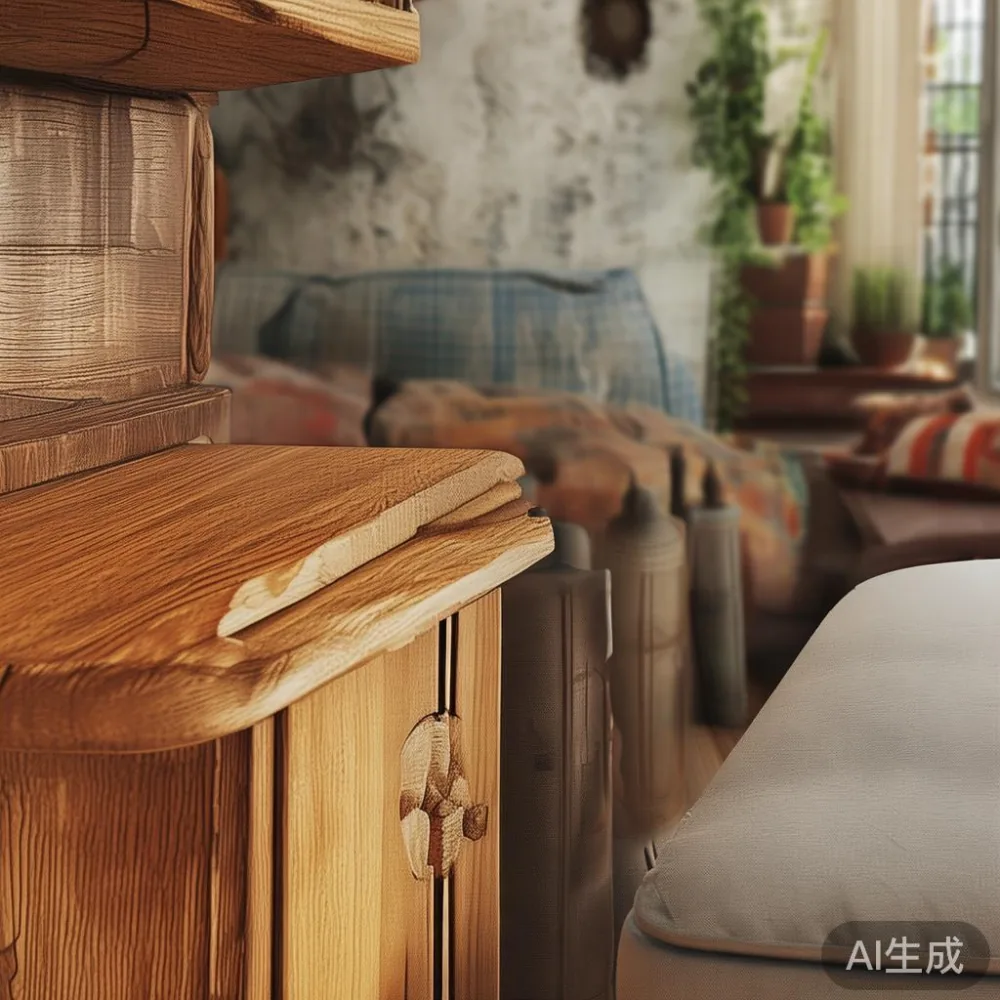
Wood is a hygroscopic material, meaning it naturally absorbs and releases moisture from the air. In a high-humidity environment like Singapore, wood absorbs this moisture, causing its cells to expand. This process, known as swelling, can lead to several issues. For instance, a solid wood dining table might develop a slight warp across its surface, or the panels of a wardrobe door could expand, making them difficult to close smoothly. Conversely, during the drier months or when air-conditioning is running constantly, the wood releases moisture and contracts, which can lead to cracking or gaps forming between joints. Understanding this natural cycle is the first step towards protecting your investment.
How High Humidity Affects Different Types of Furniture
The impact of humidity varies depending on the type of furniture and its construction. A solid wood bed frame, for example, is more susceptible to warping than a metal-framed one. The wide, flat surfaces of a dining table are particularly prone to expanding and contracting, which can cause the finish to crack or the table to become unsteady. Smaller items like a nightstand might experience more subtle changes, such as drawers sticking due to swelling. The type of wood also matters; denser hardwoods like teak or oak tend to be more stable than softer woods like pine, but all solid wood requires care in a humid climate.
| Furniture Item | Potential Humidity Effects | Maintenance Frequency |
|---|---|---|
| Solid Wood Sofa | Frame warping, fabric moisture retention | Weekly dusting, monthly conditioning |
| Dining Table | Surface warping, joint separation | Weekly cleaning, seasonal oiling |
| Wardrobe | Door swelling, sticking drawers | Monthly interior wipe-down |
| Marble Table | Surface etching from moisture | Weekly cleaning with pH-neutral cleaner |
Practical Tips for Caring for Your Wood Furniture in Singapore
Protecting your furniture doesn't have to be a complex task. A few simple habits can make a significant difference. First, maintain a stable environment within your home. Using a dehumidifier in particularly damp areas like the bedroom or living room can help keep humidity levels in a more stable range, ideally between 45-60%. Second, be mindful of placement. Avoid placing solid wood sofas or bed frames directly against exterior walls, which can be damp, or in front of air-conditioning units, where rapid temperature changes can cause the wood to contract too quickly. Third, regular cleaning is key. Use a soft, dry cloth to dust your furniture, as a damp cloth can introduce excess moisture. For your solid wood dining table, applying a high-quality furniture oil or wax every 3-6 months can help nourish the wood and create a protective barrier against moisture.
- Control Your Environment: Use a dehumidifier, especially in bedrooms and living rooms, to maintain humidity between 45-60%.
Strategic Placement: Keep furniture away from direct sources of heat or cold, like air-conditioning vents or open windows during a rainstorm. - Regular Maintenance: Dust with a soft, dry cloth. Apply a quality wood conditioner to your dining table and other solid wood pieces every 3-6 months.
- Immediate Action: If you notice water rings or spills, wipe them up immediately with a dry cloth to prevent moisture from seeping into the wood.
How to Style French Provincial Wardrobe in an Apartment?
This is a question we often hear from clients in Singapore looking to add a touch of classic elegance to their modern apartments. The key to successfully styling a French provincial wardrobe in an apartment is to balance its ornate details with a clean, uncluttered space. For instance, in a condo in Punggol with an open-plan layout, you can place the wardrobe against a feature wall painted in a soft, neutral tone like dove grey or cream. Pair it with minimalist bedding and a simple nightstand to create a sophisticated contrast. The natural wood of the wardrobe complements the boho style beautifully, and its timeless design ensures it remains a focal point for years to come. This approach allows you to integrate a piece like this without overwhelming the smaller proportions common in Singaporean homes.
Choosing the Right Furniture for Humid Climates: Material Matters
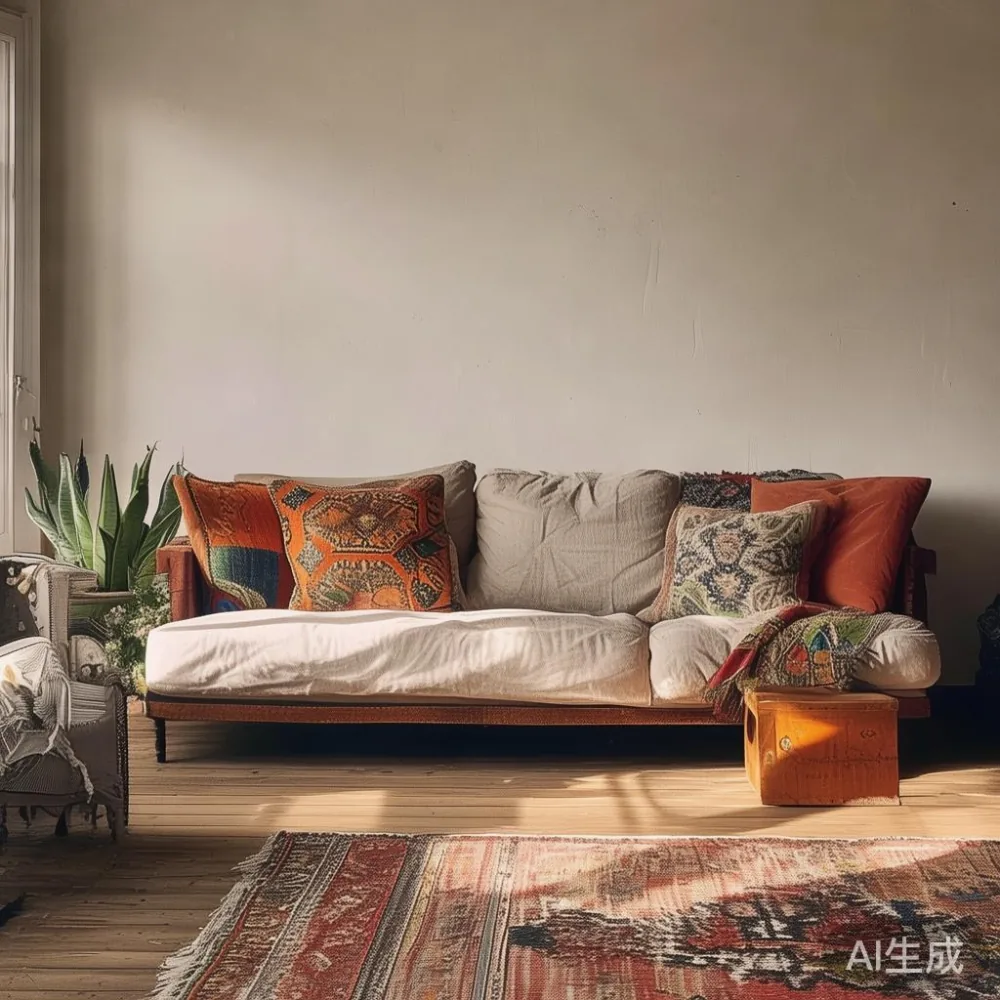
When furnishing a home in a humid climate, the choice of material is paramount. Solid wood furniture, like that crafted by established makers, is an excellent choice due to its natural durability and ability to be refinished over time. A solid wood bed frame or dining table, for example, can withstand the seasonal changes better than engineered woods like MDF or particleboard, which are prone to swelling and disintegration when exposed to moisture. For a more contemporary look, a marble table top is a fantastic option. Marble is non-porous and highly resistant to humidity, making it a practical and luxurious choice for a dining or side table. It adds a cool, sophisticated touch to a boho-style living room while being incredibly durable.
Personal Experience: A First-Hand Look at Humidity in Action
Last month, I visited a client in a HDB flat in Bedok. They had recently purchased a solid wood dining table from a reputable brand, and I was there to discuss the maintenance of their new furniture. The client expressed concern about the table's stability in the humid climate. Upon inspection, I noticed the table's leaves were slightly swollen, making them a tight fit in the storage compartment. This is a classic case of humidity in action. I advised them to gently sand the edges with a fine-grit sandpaper to ease the fit and to ensure they store the leaves in a climate-controlled part of the home, not in the balcony. It was an insightful conversation that highlighted the importance of understanding how humidity can affect wood furniture and the simple steps needed to manage it.
Boho Style Furniture: A Durable and Aesthetic Choice
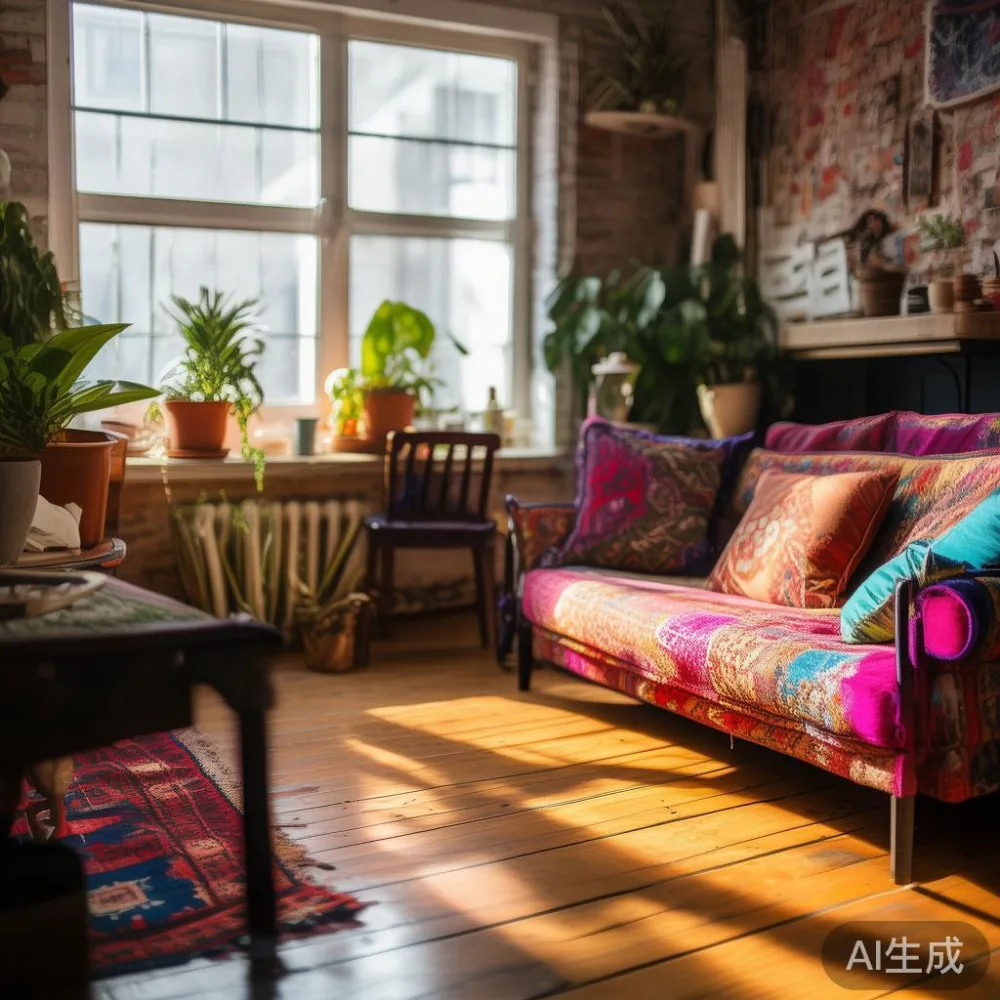
Boho-style furniture, with its eclectic mix of patterns, textures, and natural materials, is not only visually appealing but also a surprisingly durable choice for humid climates. The heart of boho style lies in its use of solid wood, rattan, and natural fabrics, all of which can perform well in Singapore's environment. A solid wood sofa with a relaxed, low-slung silhouette is a staple of the boho aesthetic. Its sturdy construction and natural finish are more resistant to humidity than synthetic materials. This makes boho-style furniture an excellent choice for Singapore's humidity-prone environment, offering a perfect blend of style, comfort, and practicality. The emphasis on natural materials aligns perfectly with the need for furniture that can breathe and adapt to the climate.
Light Luxury Furniture: Blending Style with Climate Resilience
In Southeast Asia, where the humidity is a constant factor, the concept of light luxury takes on a new meaning. It’s about creating a sophisticated living space that is both beautiful and functional. A solid wood sofa from a brand that understands local needs, for instance, can offer the aesthetic appeal of French light luxury—with its elegant curves and refined upholstery—while incorporating the practicality required in a humid climate. The same can be said for a dining table. A piece of modern light luxury furniture might feature clean lines and a minimalist design, but it should be constructed from high-quality, stable solid wood to ensure longevity. This fusion of style and durability is what defines true light luxury for the modern Singaporean home.
Is a Solid Wood Sofa Really the Best Choice for Singapore's Humidity?
One of the most common questions we receive is whether a solid wood sofa can truly survive the humid climate. The answer is a resounding yes, but with the right construction and care. A well-made solid wood sofa features a multi-step finishing process that seals the wood, helping to repel moisture and prevent warping. The key is the internal frame; it should be constructed from kiln-dried wood, which has been treated to remove excess moisture and stabilize it against future humidity changes. This ensures that the frame remains strong and true over time. While a European light luxury sofa might offer unparalleled design, a solid wood sofa provides a level of durability and timelessness that is hard to match in a challenging environment like Singapore.
Specific Furniture Pieces for the Humid Singaporean Home
When selecting specific pieces for your home, consider their design and material composition. For the bedroom, a European bed vs a Mid-century modern bed might come down to personal style, but both should feature a solid wood frame for stability. A nightstand made from solid mango or acacia wood will add warmth and character to a bedroom while being resistant to the elements. In the living room, a Mid-century modern TV console with a solid wood base and marble top offers a perfect blend of retro style and modern practicality. The marble top is easy to clean and impervious to humidity, while the solid wood base provides a classic anchor for the room. For storage, a wardrobe is important. The phrase 'best American wardrobe for 2026' might suggest modern features, but the core should always be solid wood construction with a high-quality finish to protect it from Singapore's climate.
MIDHILL: A Commitment to Quality and Longevity
A brand's commitment to quality is evident in its products and policies. Established in 2008, a company with a strong export record to over 15 countries understands the diverse challenges of global climates. Their offering of a 10-year structural warranty demonstrates a confidence in their furniture's ability to withstand the test of time and environmental stress. This is particularly reassuring for Singaporean customers. A lifetime refinishing service means that even if the finish is affected by years of exposure to humidity, the piece can be restored to its original beauty, extending its lifespan significantly. With free shipping on orders over SGD 350 and a 14-day return policy, the purchasing process is designed to be smooth and risk-free, allowing homeowners to furnish their homes with confidence.
Conclusion: Furnishing Your Home with Confidence
Furnishing a home in Singapore's unique climate requires thoughtful consideration, but it doesn't mean you have to compromise on style or quality. By understanding how humidity affects wood and choosing pieces made from durable, stable materials like solid wood and marble, you can create a beautiful and long-lasting interior. A boho-style living room, for example, can be both a sanctuary of comfort and a proof of smart material choices. Whether you're drawn to the elegance of French light luxury or the clean lines of post-modern design, the right furniture will not only look stunning but will also stand strong against the humidity for years to come. The goal is to create a home that is a reflection of your personal style, built to last in the specific conditions of your environment.