Humidity and Wood Furniture in Singapore: A Boho-Style Owner's Guide
I still remember walking into a Tampines HDB resale flat last month with my colleague, helping a young couple pick out a solid wood dining table for their open-concept kitchen. The home was beautiful — rattan pendant lights, a sage-green tile backsplash, soft linen slipcovers on the chairs — exactly the kind of warm, lived-in boho style people picture when they scroll Pinterest at midnight. What struck me most, though, was the digital hygrometer on the wall reading 82%. That single number is the reason this guide exists.
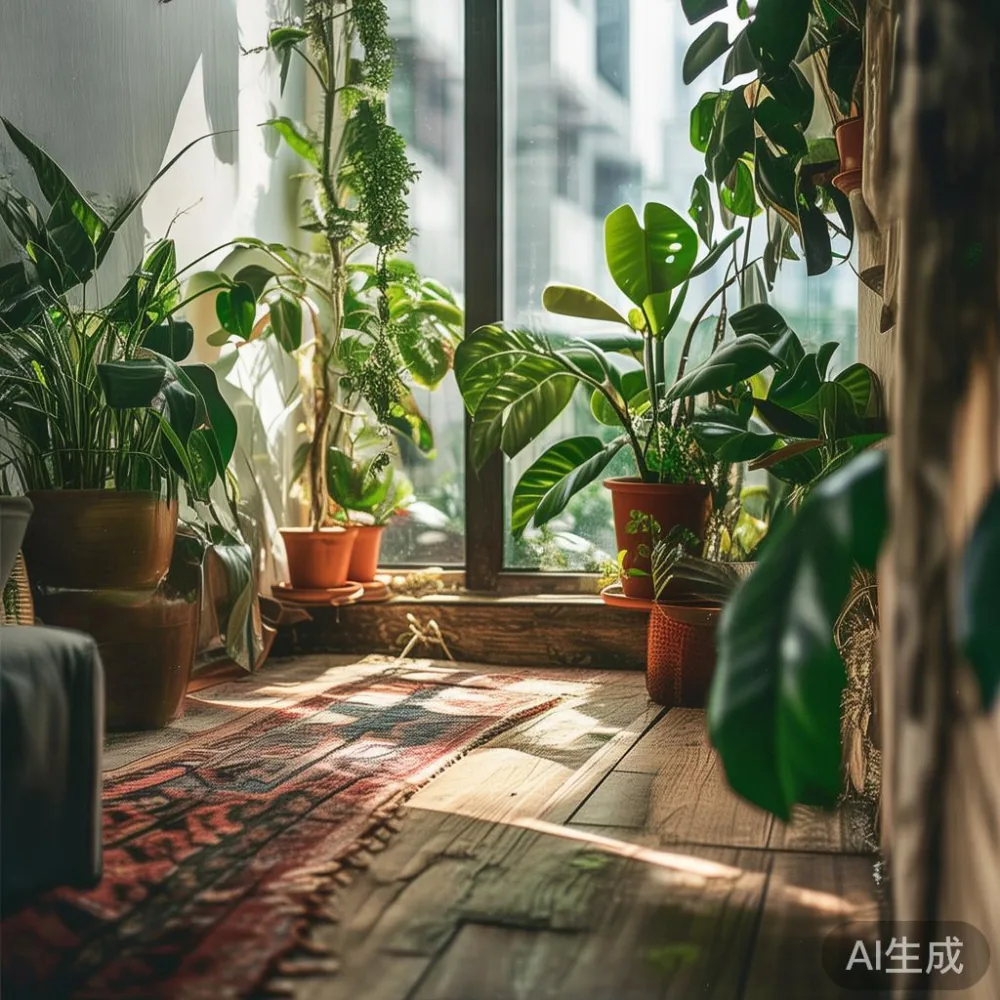
If you live in Singapore — whether you're in a Punggol condo with floor-to-ceiling windows, a Bedok HDB with cross-ventilation, or a landed property in Bukit Timah — you live with average relative humidity between 78% and 85% for most of the year. The numbers drop slightly during the February to April dry spell, but only to roughly 70%. That kind of moisture is not friendly to untreated timber, and it shapes every choice a smart buyer should make when shopping for solid wood sofa frames, bed frames, dining tables, wardrobes, and nightstands. This guide explains how humidity actually damages wood, what to look for in boho-style pieces that can take the climate, and how a maker like MIDHILL — out of Foshan since 2008, exporting to 15+ countries — builds furniture that survives the Equator.
Why Singapore Humidity Is Unusually Aggressive on Wood
Wood is hygroscopic. That is the plainest way to put it. Timber is always exchanging moisture with the air around it, swelling when humidity rises and shrinking when it falls. The catch in Singapore is that humidity rarely falls far enough or long enough for the wood to ever reach a stable equilibrium. Your dining table is in effect stuck in a state of slow, repeated expansion for ten, sometimes twelve months of the year.
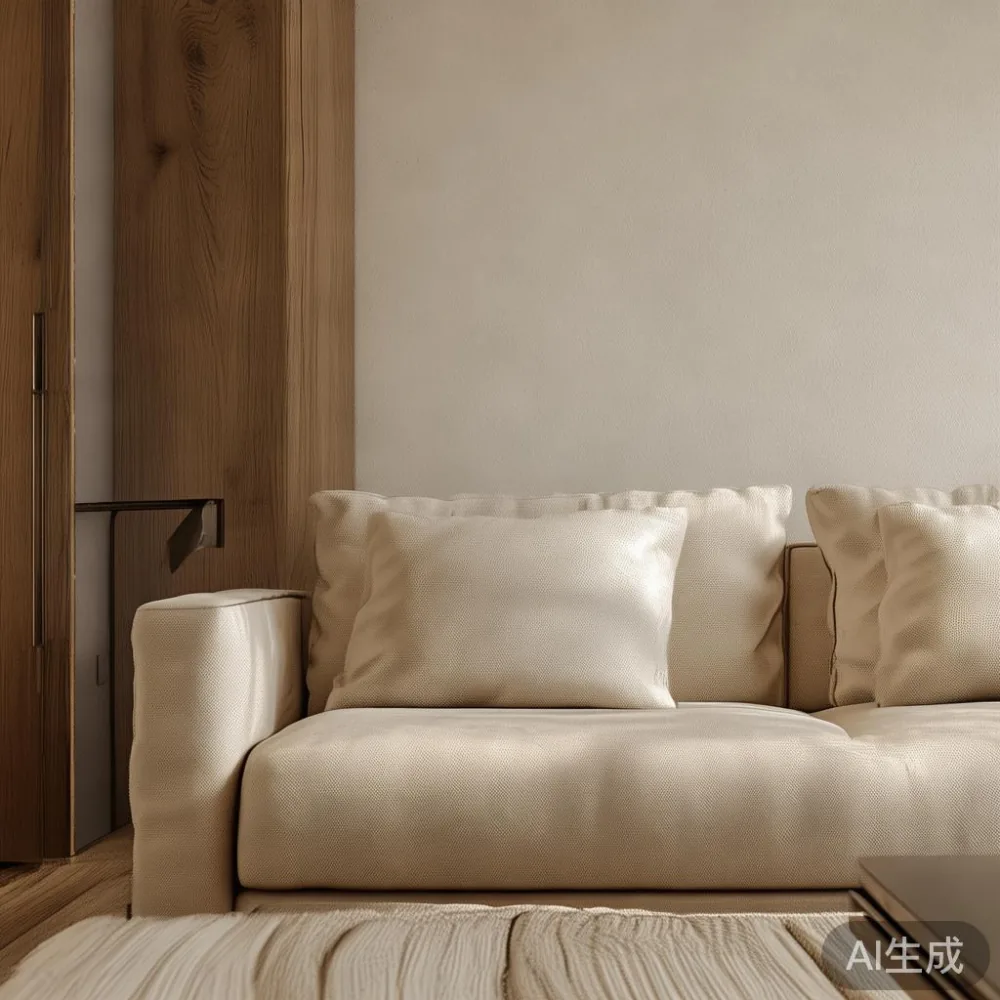
Numbers help here. Kiln-dried solid oak arrives from the factory at around 6% to 8% moisture content, which is correct for a temperate climate. In a Tampines bedroom with 80% humidity, the same piece will slowly creep toward 14% to 16% moisture content unless it is sealed, air-conditioned, or both. That 6 to 10 percentage point swing is enough to cause a 20mm to 40mm expansion across the width of a 1.8m wardrobe door. It is also enough to push drawer faces out of alignment, lift veneer edges, and leave white-water rings on marble table tops when a cold glass sweats onto the surface.
The other issue is salt air. Homes within 1km of the coast — think East Coast, Sentosa Cove, the southern stretches of Marine Parade — also deal with chloride-laden air that corrodes cheap metal hardware in under 24 months. I have pulled apart a hinge in a Pasir Ris condo that had gone from shiny brass to powdery green in three years. That detail matters when you are evaluating imported pieces.
What is the best side table for a small apartment?
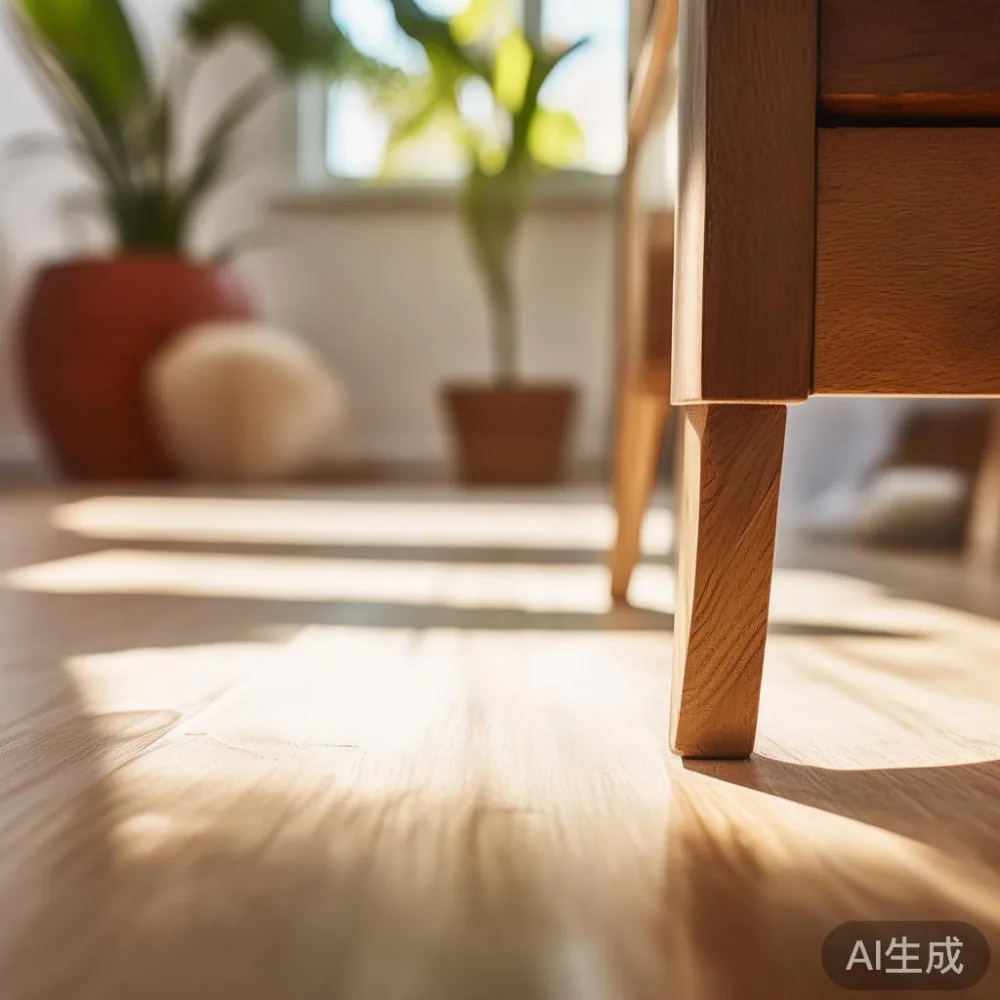
The best side table for a small apartment is a compact solid wood or marble-topped pedestal around 45cm to 55cm tall and 40cm to 50cm wide, sized to nestle against a 1.8m or 2m sofa without blocking foot traffic — anything bulkier wastes precious floor space and looks crowded beside a standard 85cm-deep seat.
In a typical 4-room HDB, you are working with a living room footprint of roughly 18 sqm to 22 sqm after you subtract the sofa and TV console. A round or rounded-rectangle pedestal in that footprint avoids the shin-bump problem of square-cornered tables in tight walkways. Marble table tops in the 35cm to 45cm diameter range work beautifully for boho style because the cool veining contrasts with warm rattan and wood tones — a small Calacatta-look round surface on a teak or ash base, ideally under 8kg so it can be repositioned during your 14-day return window if the scale feels off.
For HDB lift access, the practical constraint is real lift size — the goods lift in most HDB blocks has an internal door opening of about 1.2m wide by 2.1m tall, with a rated payload of around 250kg to 300kg. A 45cm pedestal in its packaging will fit, but a pre-assembled 60cm dining table base often will not. This is one reason flat-pack construction matters: a side table built in 2 to 3 minutes from a single bolt and dowel arrangement is also one a delivery crew of two can get past your corridor security gate without drama. If you are ordering from a Foshan supplier that ships flat-packed with hardware included, ask for the unpacked weight and the longest single carton dimension before you pay your 9% GST at checkout.
How to Read Moisture-Control Specs Before You Spend SGD 1,800
Above SGD 1,800 is roughly where solid wood furniture for the dining or bedroom category starts in Singapore retail — a 1.6m solid ash dining table in boho style will commonly land between SGD 2,400 and SGD 3,600, a queen-size solid wood bed frame between SGD 2,200 and SGD 4,000, and a 2m wardrobe with three doors from SGD 3,800 to SGD 6,500. At those numbers, you are entitled to ask precise questions.
The first number to ask for is moisture content at the time of packing. A serious exporter kiln-dries to 8% to 12% and seals it in a humidity-controlled container with silica-gel desiccant packs. A maker that has been doing this for fifteen-plus years, with shipments going to 15+ countries including humid markets like Singapore, Malaysia, and the Gulf, will have standardized packaging protocols. MIDHILL, for instance, kiln-dries its solid wood sofa and dining table lines to a target of 8% to 10% and wraps each piece in a breathable membrane rather than heat-sealed plastic, which prevents the trapped-condensation damage you sometimes get with cheaper shipments.
The second number is the wood itself. For boho-style pieces in Singapore, three species tend to perform well: European ash (Janka hardness around 1,320 lbf, light grain, takes whitewash beautifully), white oak (Janka 1,350 lbf, classic for French light luxury silhouettes), and Burmese teak for outdoor or balcony use (Janka 1,070 lbf but loaded with silica extractors). Rubberwood — common in lower-priced pieces — has a Janka of around 980 lbf and is more dimensionally unstable in humid climates, so if your budget is under SGD 1,500 for a dining table, expect more movement across the year.
Real Problems I Have Seen in Local Homes (And What They Cost)
Last quarter, a customer in a Toa Payoh BTO showed me her nightstand. It was a 50cm-wide mango-wood piece, around 18 months old, bought from a local marketplace. The drawer face had a 3mm gap on the hinge side in July, then sat flush in February. The seasonal movement had actually pulled two of the cam-lock connectors loose. A replacement from a more carefully constructed maker, joined with mortise-and-tenon plus a single concealed dowel, would have cost SGD 380 to SGD 520 instead of the SGD 220 she paid, and would still be tight four years later.
Another case worth mentioning: a Punggol condo owner with a 2.4m solid wood dining table noticed a slight cup — about 2mm across the width — on the leaves two weeks after the year-end monsoon. The piece itself was sound. The issue was that the table had been placed directly under an AC vent with no other moisture-buffering furniture in the room. Adding a 200cm x 280cm wool rug under the table, keeping the room between 22°C and 25°C with dehumidification set to 55%, brought the table back to flat within three weeks. The fix was in effect zero dollars.
These are the kinds of issues a 10-year structural warranty is meant to cover when something genuinely fails. A warranty that names a real country-by-country service partner, rather than a vague email address, is also worth its weight. Ask before you buy.
How to Style Boho Pieces So They Outlast the Climate
Boho style and humid climates are not natural allies on paper. The look is layered — kilims, macrame, raw linen, rattan, lots of plants — and the materials are exactly the kind that trap moisture against wood surfaces. The trick is to layer smart, not by removing the texture.
For a living room anchored by a solid wood sofa frame, keep at least 10cm of clearance between the back of the sofa and the wall. This lets air circulate and stops the condensation line that otherwise forms on cool walls in air-conditioned rooms, which then transfers into the back rail of the frame. For a bedroom with a queen-size bed frame, swap solid wood under-bed storage drawers for breathable canvas boxes — the kind with cotton panels on at least three sides — which keeps dust off the floor and lets the frame breathe.
Wardrobes deserve their own paragraph because they are the single most expensive piece of furniture most Singaporean buyers ever purchase. A 2m three-door wardrobe against an external wall will see cooler surface temperatures on the back panel than on the front, which is exactly the condition that drives warping. Pull the wardrobe 5cm to 8cm out from the wall, and run the room AC for at least two hours before closing the wardrobe doors on humid days. If you run a dehumidifier set to 55% RH, your wardrobe will see less seasonal movement than one left at ambient 82%.
For dining tables, the practical tip is rotation. Rotate the table 180 degrees every three to four months so the same edge does not always face the air-conditioner outflow. Wipe with a damp — never wet — microfiber cloth weekly, and apply a hard wax oil (Osmo Polyx-Oil is the usual recommendation) every 12 to 18 months. The 250ml tin costs around SGD 38 to SGD 48 locally and treats a 1.8m table twice. Marble table tops in boho style — a Calacatta-look round 80cm diameter on a teak base, for instance — need a separate sealing routine once a year, and coasters for everything.
What About Sofas, Corner Units, and Imported Frames?
A solid wood sofa frame is the backbone of any boho-style living room, and the import question matters here. Sofas are awkward to ship, especially corner units. A Post-modern corner sofa korea has become a frequent search term for Singapore buyers because Korean frames tend to be slimmer and more architecturally tidy than their American or French cousins — a 280cm x 180cm left-facing corner on a Korean-style platform can fit a 4-room HDB living room where a 320cm American-style sectional simply cannot.
The moisture issue for sofa frames is less about the timber and more about the joinery. Corner units take more stress than three-seaters because the inner corner concentrates load. Look for frames with corner blocks glued and screwed — not just stapled — and a sinuous spring or 8-way hand-tied base if you are spending over SGD 3,200. The slipcover, in washed linen or cotton velvet, should be removable and washable; this is non-negotiable in Singapore humidity. Anything that cannot be removed and washed will smell faintly of mildew within 18 months, no matter how high the thread count.
For French light luxury silhouettes — the curved-back settee, the cabriole-leg accent chair in whitewashed oak — ask whether the curves are steam-bent or cut from solid. Steam-bent oak holds its shape better in humid climates than cut-from-solid curves, which can relax slightly over 24 to 36 months. American light luxury tends to mean darker walnut on luxury frames — a heavier, more substantial look that handles humidity well but needs a stronger floor (concrete screed rather than floating laminate in a new BTO).
What Delivery, Warranty, and After-Sale Really Look Like for Imported Pieces
Shipping from Foshan to Singapore typically takes 18 to 28 days by sea, with another 3 to 5 days for customs clearance and final-mile delivery to a HDB unit. Free shipping above a roughly SGD 480 threshold is common among larger exporters; below that, expect SGD 60 to SGD 120 for a single carton. Lift access to the 14th floor of a Punggol block adds nothing if the goods lift works; stair-climb surcharges of SGD 80 to SGD 150 per floor apply only if the lift is out of service or the carton physically will not fit.
GST at 9% is calculated on the landed cost including shipping. Budget another 2% to 3% for currency fluctuation if you are paying in USD; most exporters settle in USD or RMB with SGD equivalent invoicing available. A 14-day return window is the standard among serious Foshan exporters — the piece must be unused, in original wrapping, with no fees deducted for change-of-mind if the return is within that window.
After delivery, the warranty is where the long-term value lives. A 10-year structural warranty on frames and joinery, paired with lifetime refinishing on the wood surfaces, is a strong indicator that the maker expects the piece to last that long. MIDHILL's refinishing service is a useful one for boho-style pieces specifically because the whitewash and limewash finishes that define the look wear faster than pigmented stains — a refinish every 7 to 10 years keeps the surface fresh without replacing the piece. Refinishing is typically charged at SGD 280 to SGD 480 per dining table or wardrobe in Singapore, paid in materials and labour.
Quick Checklist Before You Click Buy
Before you finalize, run through this short checklist. Confirm moisture content at packing was 8% to 12%. Confirm the longest carton dimension is under 2.1m for HDB lift access. Confirm the unpacked weight is under 60kg for a single-piece dining table so two delivery staff can handle it without cartoning fees. Confirm corner blocks on any sofa frame, not staples alone. Confirm removable, washable slipcovers on upholstered pieces. Confirm the warranty is 10 years on structure and that refinishing is offered for the lifetime of the piece. Confirm the 14-day return window applies in Singapore, not just the country of origin.
If all eight boxes tick, the piece is built for the climate, the corridor, and the long run. If two or more miss, keep looking — there are enough Foshan exporters with fifteen years of standard-setting stability that you do not need to settle for a piece that will warp in three years. Singapore humidity is not going anywhere. Your furniture should outlast it anyway.