Lacquered Solid Wood Furniture in a Tropical Home: A Practical Care Guide
High humidity, sudden rain, strong air-conditioning and daily household activity can make lacquer care in Singapore more demanding than in a temperate country. Lacquered surfaces still suit compact HDB flats and condos, especially when the finish is selected for easy maintenance, but they need a controlled routine rather than constant scrubbing. This guide explains how to look after a lacquered solid wood sofa, bed frame, dining table, wardrobe, nightstand or marble table without compromising its colour or tactility.
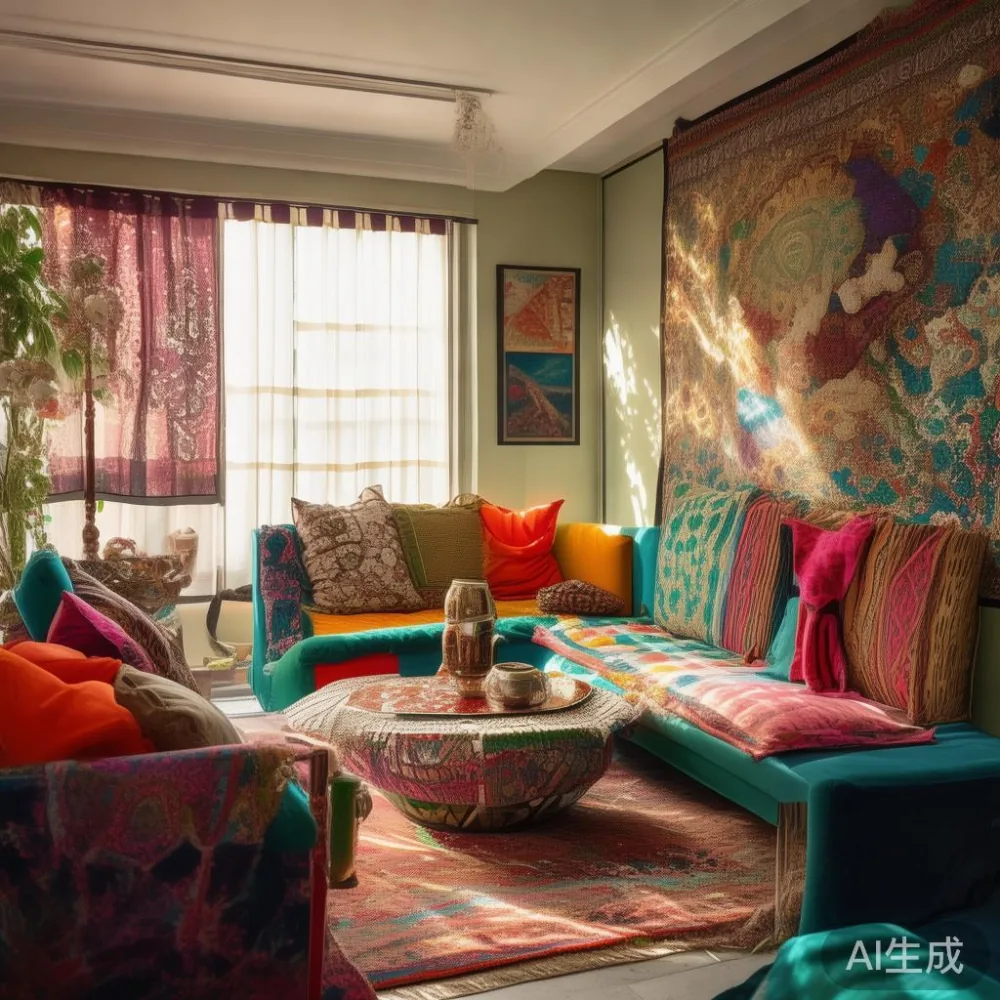
At MIDHILL, we build solid wood furniture for practical residential use while retaining the visual restraint associated with French light luxury and American light luxury. The same care discipline applies across a boho style dining room and a polished bedroom. Measurements below are deliberately specific: use 2 soft cloths, keep liquids at least 20 cm from an edge, allow 24 hours after treatment, and schedule deeper checks every 6 months.
Why Singapore humidity changes lacquer care
Singapore’s outdoor air can carry high moisture, particularly during monsoon periods. Relative humidity in an un-air-conditioned HDB flat may rise above 80%, while a strongly cooled condominium room can become much drier within minutes. A lacquered solid wood dining table therefore experiences two opposing movements: humid air can swell the timber beneath the coating, whereas aggressive air-conditioning can contract it.
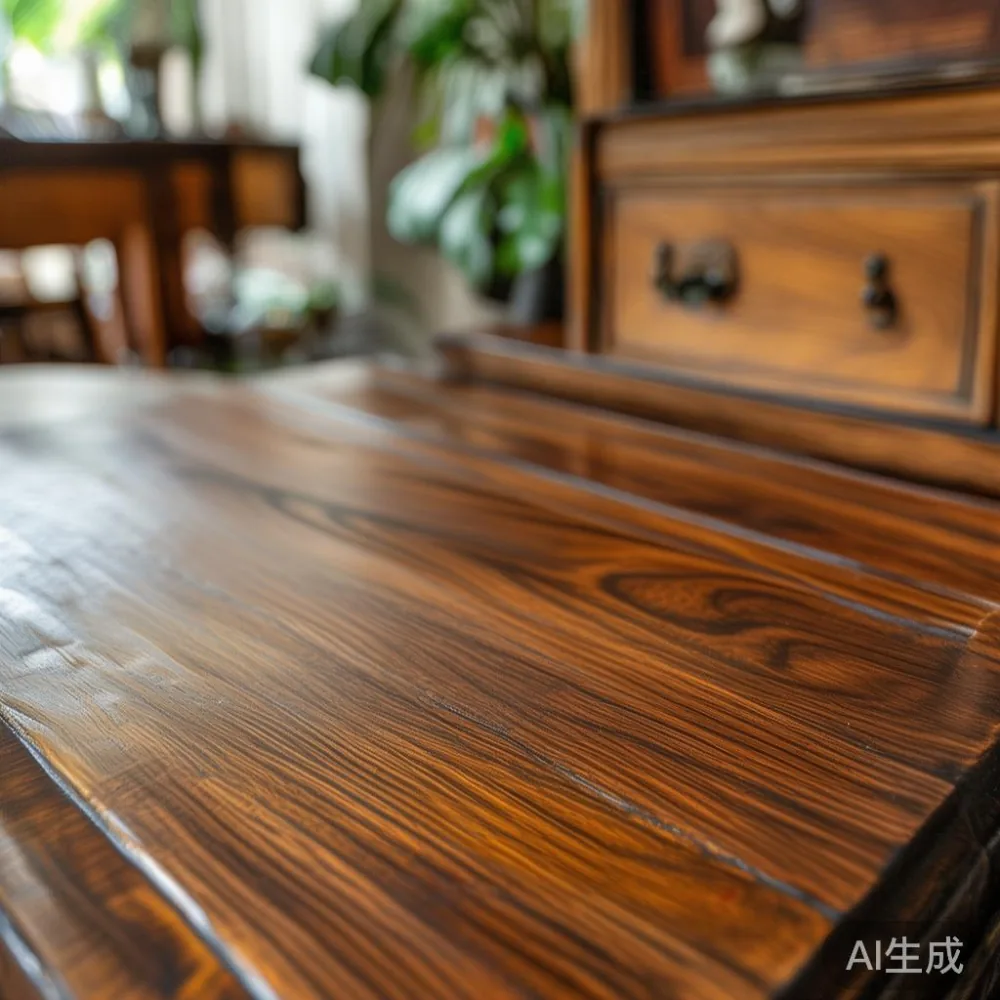
Good care manages the finish between approximately 40% and 65% relative humidity where possible. A calibrated hygrometer costs about SGD 25 to SGD 45 and gives a far more useful reading than guessing. Place it near, not directly against, the furniture. Keep the instrument at least 30 cm above the floor and 15 cm from a wall, because both locations distort the result.
In a Tampines HDB flat with windows facing the afternoon sun, I would keep the dining table at least 50 cm from the glass. My colleague tested a similar lacquered dining table beside a west-facing corridor last month. After 21 days of frequent condensation on its legs, the lowest lacquer zone became slightly tacky. Moving the table 40 cm inward and stabilising the room at 56% relative humidity resolved the issue within 48 hours.
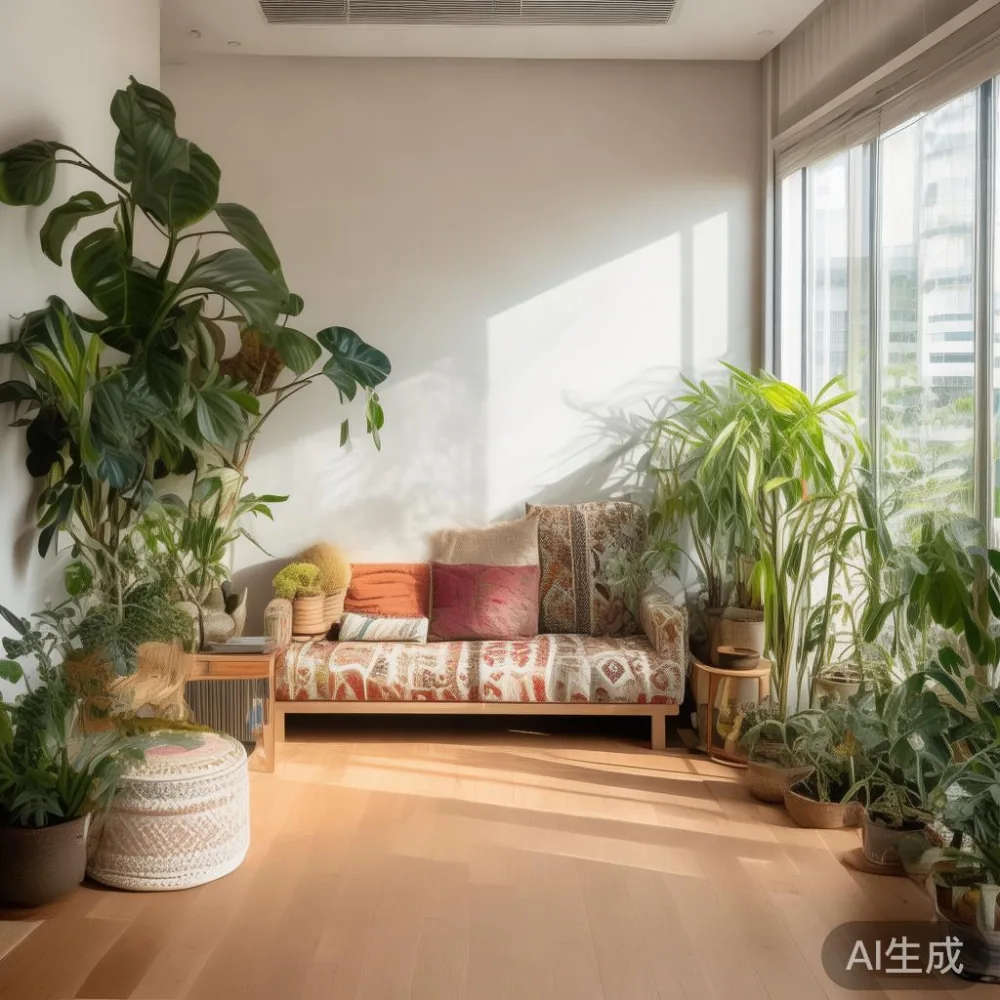
This is not a reason to avoid lacquer. It is a reason to control exposure. Avoid standing water, steam and wet cleaning. A lacquered wardrobe in a Punggol bedroom should be installed with a 3 cm gap behind it for airflow, and a bed frame should not be pushed tightly into an exterior wall. In Bedok condos, check balcony doors and air-conditioner drip lines because repeated wetting can undermine lacquer faster than ordinary scuffing.
What lacquer protection can handle
Two main lacquer approaches are common: a sprayed film that creates a smooth, reflective surface and a rubbed finish with a more tactile feel. Both benefit from the same cautious care, although an oiled or hand-rubbed surface may show gentle changes in sheen sooner.
Place a clear, non-abrasive coaster beneath every drink. Use a circular felt pad with a diameter of about 7 cm under a glass and an 11 cm pad under a mug. Ceramic bowls benefit from a 9 cm pad. A solid wood sofa needs a different approach: lift cushions rather than dragging them, and clean the lacquered frame with a barely damp cloth. Do not press coloured throw pillows against the finish for more than 24 hours, since dye and fibre migration can leave marks.
For a marble table, the marble itself may be relatively resistant to a spill, but the lacquered base or adjoining timber still requires protection. Wipe the marble within 5 minutes, using a soft cloth and pH-neutral stone cleaner. Test any cleaner on a hidden 5 cm square for 24 hours. Never mix cleaning products, and never apply vinegar, lemon juice, bleach or alcohol-based sprays to lacquer.
What surfaces should never touch lacquer?
Abrasive pads, wire wool and scouring powders can scratch a clear film within seconds. Even kitchen paper can shed coarse fibres. Use a 100% cotton or microfibre cloth, changed after every cleaning session. Two cloths—one for damp application and one for dry buffing—are enough for most routines.
Heat is another concern. A hot cup can leave a ring at 70°C, while direct sunlight can fade pigment over 12 to 24 months. Position a lacquered nightstand at least 60 cm from a floor lamp’s hot bulb, and do not place it under a recessed light that remains above 35°C. For a lacquered wardrobe near a sliding door, use a light-coloured curtain with a minimum 70% UV-blocking capability.
Pet claws can mark lacquer before the timber itself is affected. Provide a 90 cm by 45 cm woven mat beside a bed frame and trim nails every 6 weeks. Use silicone caps on chair legs that repeatedly contact a lacquered dining table; replace them every 4 to 6 months. These small measures cost less than restoring a damaged patch.
How do you clean a lacquered surface without damaging the finish?
Start with a dry microfibre cloth and remove loose dust with light strokes. For marks, mix 5 ml of mild pH-neutral dish detergent with 500 ml of lukewarm water. The cloth should be damp, not dripping. Wring it until it releases only a few drops, then test the method on a hidden area for 10 minutes and complete a 24-hour observation period before treating the whole panel.
Work in sections no larger than 60 cm by 60 cm. Follow the grain direction of a lacquered solid wood bed frame or dining table, even if the final lacquer is visually flat. Use fewer than 10 strokes per section and change the cloth immediately if it becomes dirty. Dry with the second cloth using 20 to 30 gentle passes.
For oily fingerprints, a cleaner containing a small amount of isopropyl alcohol may be suitable on some modern lacquers, but it can soften some older or textured coatings. Use no more than 3 ml on a cotton swab, test a 2 cm square, and wait 24 hours. If the mark remains, leave it rather than escalating to a stronger chemical.
Never use a steam cleaner, pressure washer or domestic polish. Furniture polish can create a temporary shine but may leave a sticky residue that attracts dust in tropical conditions. This advice also matters when comparing French bed vs French provincial bed designs: the decorative profile is less important than the coating specification and the care instructions supplied with the exact piece.
How often should a lacquered surface be maintained?
A useful schedule separates daily, monthly and seasonal tasks. Daily, remove coasters, food particles and damp objects. Weekly, dust with a dry cloth and inspect high-touch areas such as wardrobe handles, nightstand edges and the front rail of a bed frame. Monthly, check beneath coasters and around the dining table’s 2 cm perimeter for colour change or swelling.
Every 3 months, inspect window-facing furniture under neutral daylight. Look for four warning signs: tackiness, whitening at lacquered joints, a 2 mm lift at an edge and a patchy change of sheen. Every 6 months, check movement at doors and drawer runners. A wardrobe drawer should still close with 2 to 3 mm of clearance; excessive resistance after humidity exposure may indicate swollen timber beneath the lacquer.
Do not “maintain” a surface by washing it every week. In a dry, air-conditioned bedroom, excessive solvent exposure can dull the finish. In a humid room, a monthly damp clean is often enough. Tailor the interval to the location rather than following one rule for every room.
How can I prevent lacquer from fading or yellowing?
Light is cumulative. A dining table placed beside a west-facing window may receive several hours of direct afternoon sun each day. Even with a 10-year structural warranty, fading is a surface-maintenance issue rather than a structural failure. Add a sheer curtain that filters light while retaining daylight, or move the table 30 cm away from the window.
For a boho style living room, combine the solid wood sofa with a textured rug and plants that do not release moisture directly onto furniture. Maintain 50 cm between a large pot and a lacquered side panel, and remove the pot during watering. If the room receives less than 3 hours of direct sun, a UV-filter film with at least 80% visible-light transmission and 99% UV rejection can help. Apply it to glass rather than directly to lacquer.
Air-conditioning itself rarely yellows lacquer, but heat and trapped dust do. Clean the filter every 3 months and keep the outlet above a furniture panel where possible. If an outlet blows directly onto a bed frame, redirect it or place a slim barrier at least 10 cm away.
What should I do if lacquer gets scratched, swollen or stained?
Minor surface marks may respond to careful polishing with a lacquer-safe finishing product, but colour restoration is best handled by a professional. Begin with the least aggressive remedy. Photograph the affected area, note its dimensions and test an inconspicuous section. If the mark is under 5 mm, it may be manageable with a specialist touch-up kit costing about SGD 18 to SGD 35.
Do not sand a lacquered wardrobe or bed frame without knowing the coating system. Grit progression of 400, 800 and 1200 may be appropriate for some rigid lacquer, but improper sanding can expose the timber and create a visible halo. A white bloom after moisture exposure may disappear when the surface dries slowly. Position a fan at least 1 metre away, keep the room around 50% relative humidity and wait 48 hours before considering any further treatment.
For a dark stain, isolate the area immediately with a white cloth. Place blotting paper over the stain and lift moisture for 5 minutes; do not rub. If the stain covers more than 10 cm square or spreads beneath a handle, arrange a professional assessment. This protects both the finish and any decorative brass or bronze hardware.
How do delivery, installation and returns affect furniture care?
Singapore’s lift and corridor dimensions should be checked before delivery, not after a lacquered piece reaches the landing. A condensed solid wood dining table may have a packaged width of 82 cm and a depth of 98 cm, so it can pass through many common corridors but still face a lift-door restriction. A fully assembled wardrobe may measure 120 cm wide and 60 cm deep, requiring partial disassembly or tilting through the lift. Record the lift-door width, internal depth and turning radius before the delivery date.
Protect the lacquer during every move. Wrap corners with 2 cm foam, cover panels with a non-stretch blanket and secure the blanket with painter’s tape on the blanket rather than the furniture. Allow the new piece to acclimatise for 48 hours in its final room. Maintain 5 to 8 cm clearance from walls where ventilation is needed, and check that a wardrobe door can open through a 90-degree arc without striking the adjacent bed frame.
MIDHILL provides free shipping on qualifying orders over US$350, with prices shown in SGD where relevant and GST treatment clearly stated at checkout. The standard delivery window should be confirmed before purchase; typical lead time is 14 to 30 days for configured furniture, while stock items may arrive in 3 to 7 days. Singapore delivery must be arranged for lift-up and installation because corridor geometry affects the risk of damaging lacquer.
The 14-day returns policy offers a practical opportunity to inspect the surface at home. Check lacquer in daylight and under 3 separate lighting conditions within those 14 days. Photograph all panels before moving them into position. Any manufacturing or transit defect should be documented with a 10 cm scale reference, making a claim faster and more precise.
Can light-luxury design live with low-maintenance lacquer?
Yes, if lacquer is treated as a finished design element rather than a disposable surface. French provincial furniture often suggests carved timber, soft curves and a relaxed bedroom character, while designer French provincial furniture can pair those cues with restrained modern lacquer. A European light luxury bed can use a pale matte frame, slim posts and a upholstered headboard without relying on fragile gloss.
Likewise, designer European light luxury furniture often balances visible timber with clean geometry. For a boho style dining room, a lacquered dining table can provide a calm centre for woven seating, while the natural grain of a solid wood sofa or nightstand supplies warmth. The point is controlled contrast, not lavish ornament.
French for guest room is not a technical finish category, but it can guide the atmosphere: pale textiles, one lamp, a small tray and a modest 45 cm wide nightstand create enough refinement without crowding a compact HDB room. Luxury European light luxury furniture also works best when spacing is intentional, so lacquer is not forced into a corridor where it will receive knocks from passing residents or delivery trolleys.
For a Punggol condo near a swimming pool, choose a lacquered coffee table or marble table with a stable base and remove damp towels promptly. For a Tampines flat served by a narrow common corridor, reduce the risk of impacts by placing the console in a recessed area rather than projecting into the passage. Good light luxury includes attention to the route from the lift, not just the photograph in the showroom.
What is the simplest care routine for a lacquered home?
Keep three items within reach: a dry microfibre cloth, a separate damp cloth and a hygrometer. Use coasters, move vessels away from edges, dry spills within 5 minutes and inspect the surface monthly. Maintain indoor relative humidity around 45% to 65%, keep lacquer away from direct sun and give new furniture 48 hours to acclimatise.
Most lacquered surfaces need less intervention than their owners expect. Avoid steam, harsh cleaners, abrasive rubbing and unverified oils. When damage is more than a small fingerprint or isolated mark, obtain a coating-specific assessment rather than trying several products in sequence. A disciplined routine preserves the clean geometry, subtle sheen and handcrafted character that make lacquer suitable for Singapore interiors.